
Caring for our four-legged companions' digestive tract is essential for their overall health and well-being. More and more pet owners are turning to natural methods to support their pet's digestive health. Here are some tips for naturally caring for your dog or cat's digestive system.
Natural and Balanced Nutrition
A healthy, balanced diet is essential for maintaining a healthy digestive tract. Choose a tailored diet, ideally formulated by nutritionists, and made with the animal’s needs and specificities in mind, using high-quality raw materials.
The Benefits of Prebiotics, Probiotics, and Postbiotics
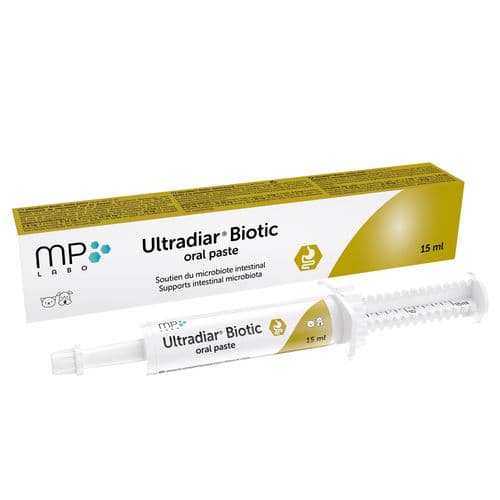
Pre- and probiotics promote balance and vitality in the gut flora. These can be sourced from foods. Postbiotics are inactivated microorganisms that retain their structure and properties. Their beneficial effects—such as combating digestive pathogens—have been demonstrated in multiple studies. They also help modulate inflammation and stimulate natural defenses. Some supplements combine pre-, pro-, and postbiotics. They are recommended even during antibiotic use to help limit microbiome imbalance.
Digestive Support Plants
Plants can benefit your pet’s digestive tract. Peppermint, for instance, may help relieve digestive issues, while fennel can aid digestion. Consult your veterinarian before introducing plants into your pet’s diet to ensure their safety.
For loose or watery stools, bilberry can help thanks to its astringent properties and ability to modulate inflammation. Plant fibers like psyllium, carob, and pectin are also beneficial, as they can absorb large amounts of water. Lastly, lemon balm has antispasmodic effects and may provide relief for such discomfort.
Managing Stress
Stress can also affect your pet’s digestive system. Create a calm and secure environment, ensure they get enough exercise and social interaction. To support your four-legged friend’s emotional well-being and help them adapt to everyday situations, there are solutions available. Ask your vet for advice.