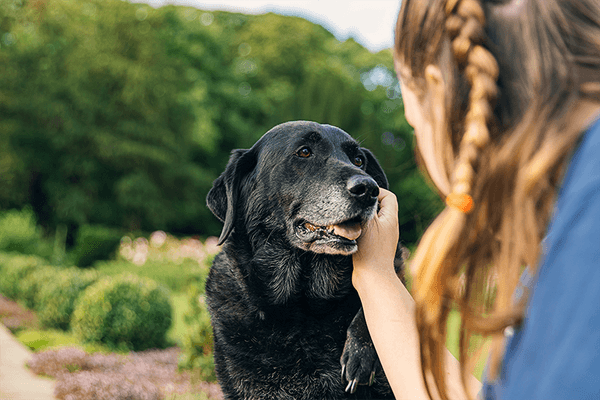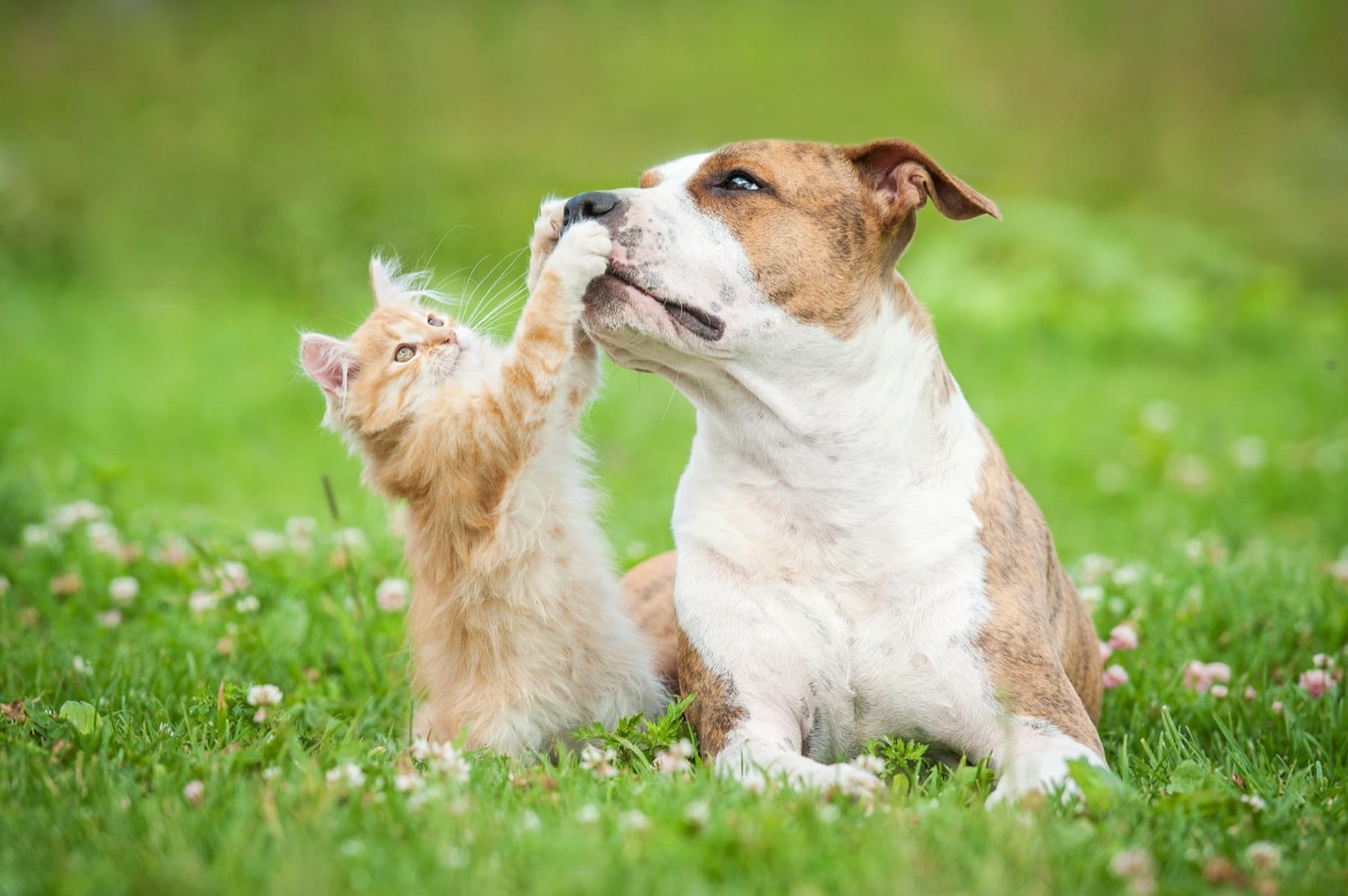
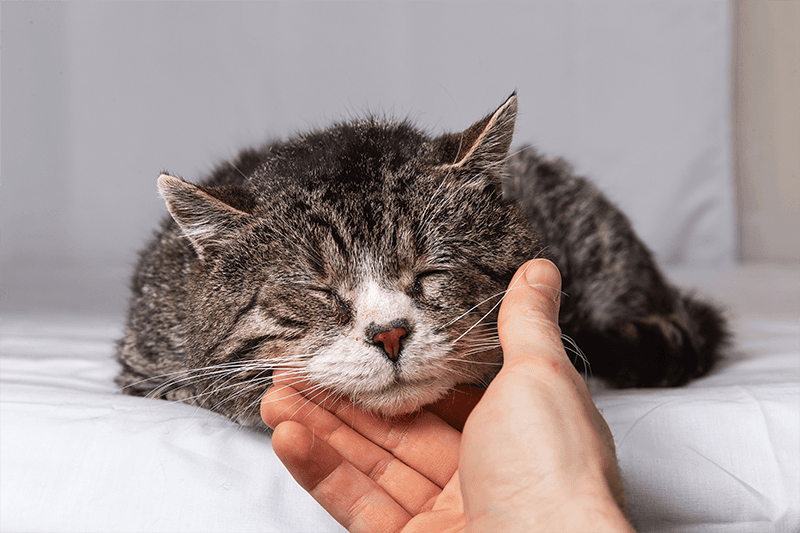
As pets age, they become more prone to developing certain health issues. Though aging can sometimes go unnoticed, it affects every organ. As a caring owner, it’s essential to recognize the most common conditions to spot them early and consult your vet. This will help maintain your companion’s well-being and ensure they enjoy a long, comfortable life.
Joint Issues
Mobility issues are among the most common conditions in senior pets. These problems cause pain, stiffness, and restrict movement. In cats, these signs can be more subtle as they tend to hide their discomfort. Yet, they too often suffer from joint pain. Symptoms to watch for include limping, difficulty climbing up or down stairs (or, in cats, suddenly dashing up them much faster!), and reluctance to play or go for walks.
Dental Issues
Dental diseases, such as gingivitis and periodontitis, are common in older pets, though they can also affect younger animals. The buildup of dental plaque and tartar can lead to painful conditions and even impact overall health, including causing heart or kidney infections. Proper dental hygiene and regular veterinary check-ups are essential to prevent these complications.
Kidney Disorders
Chronic kidney disease is a common condition in senior cats and dogs. As they age, the kidneys lose their ability to filter toxins from the blood, which can lead to various symptoms such as vomiting, loss of appetite, excessive thirst, and weight loss. Regular veterinary monitoring helps slow the progression of this disease and improve the animal’s quality of life.
Diabetes
Diabetes is a condition that primarily affects overweight animals and becomes more common with age. It occurs when the pancreas no longer produces enough insulin or when the body doesn’t use it properly. Key signs to watch for include excessive thirst, frequent urination, weight loss despite a normal appetite, and unusual fatigue. Early diagnosis is crucial to managing the disease and preventing more serious complications.
Heart Disease
Heart disease, such as congestive heart failure, is more common in senior pets. These conditions affect both dogs and cats. Warning signs include persistent coughing, difficulty breathing, rapid fatigue, or even fainting. Early detection and tailored treatments can slow disease progression and enhance your pet’s quality of life.
Brain Aging
Just like in humans, some animals develop age-related cognitive disorders similar to dementia. They may appear disoriented, forget learned behaviors, or show personality changes, such as nighttime restlessness or unusual anxiety. While these disorders can be concerning, they can be managed with the help of your veterinarian, who can advise on treatments or adjustments to their routine.
Eye and Ear Problems
Cataracts, dry eye, and hearing loss are common conditions in senior pets and can quickly affect their senses. Reduced vision or hearing may make them anxious or less responsive to their surroundings. It’s important to reassure them and adapt their daily routine to minimize these challenges—by making their environment safer and easier to navigate, for example.
Monitoring your pet’s health as they age is key to extending their life and ensuring their optimal comfort. By staying alert to early signs of aging and scheduling regular vet visits, you can prevent or manage common senior pet conditions.