Among our four-legged friends, large and aging dogs are often seen as the prime candidates for osteoarthritis. But is this really the case? Can cats also suffer from cartilage degeneration?
The answer is yes. Sixty-one percent of cats over 6 years old show signs of osteoarthritis in at least one joint. For cats over 14, this figure rises to 82%. And if this misconception about cats and arthritis persists, it’s precisely because these little felines rarely express their pain through limping.
In cats, osteoarthritis-related changes are primarily behavioral and can be classified into 4 categories:
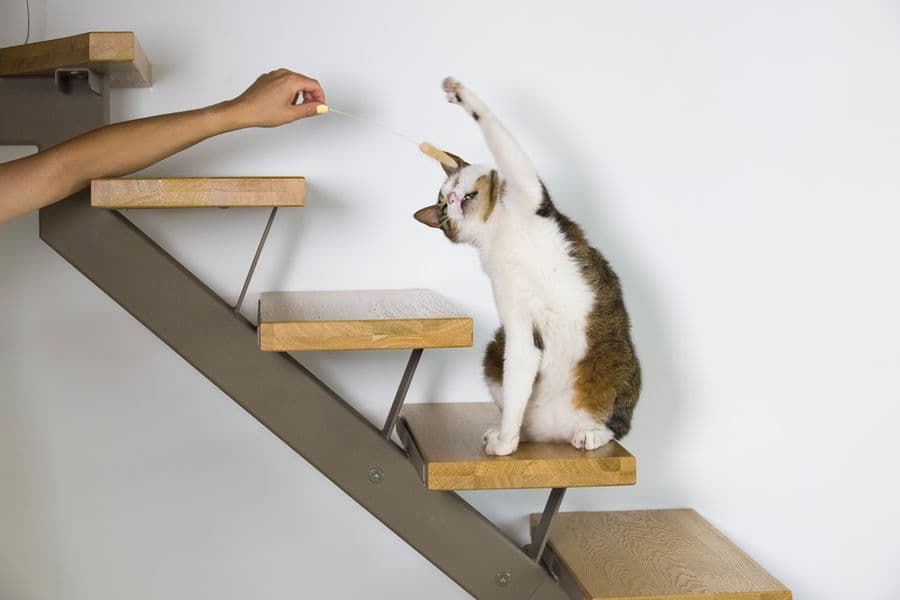
- Mobility issues: obvious signs include hesitation before jumping, lower jumps than before, and difficulty climbing or descending stairs.
- Decreased activity: the cat sleeps more often, plays less or refuses to play, hunts less, etc.
- Poor grooming: grooming stops or is limited to certain areas, claws are left longer, etc.
- Behavioral changes: the cat avoids contact with other cats or its owner and is quieter than usual.
If you think your cat may be affected, there are ways to enhance their well-being. Talk to your vet about it.