Is your cat rubbing its eye or keeping it closed for days? What if it’s conjunctivitis? Let’s take a closer look at this common feline condition!
What Is Conjunctivitis?
This is an inflammation of the conjunctiva, the mucous membranes lining the inner surface of the eyelids and surrounding the eyeball. This common condition in cats presents as redness and possible swelling of the conjunctiva. Ocular discharge is usually present. Most often, this condition is bothersome—the cat frequently or constantly squints one or both eyes, and may also rub them with its paw. In cats, conjunctivitis is often accompanied by other symptoms such as sneezing or mouth ulcers. In such cases, it is referred to as feline upper respiratory infection (URI). Lastly, conjunctivitis may spread to the cornea and develop into keratoconjunctivitis, which can lead to a corneal ulcer.
What Causes Conjunctivitis?
Conjunctivitis has many causes. Infectious origins are the most common, with feline herpesvirus often to blame. Bacterial causes also exist, such as those linked to Chlamydophila (or Chlamydia) or Mycoplasma. Allergies are another frequent cause. Finally, foreign bodies (like grass awns or sand grains), growths, or misdirected or ingrown eyelashes can also irritate and inflame the conjunctiva.
How to Treat Conjunctivitis?
If your cat shows eye symptoms that may resemble conjunctivitis, schedule an appointment with your veterinarian. They will perform tests to ensure that tear production is adequate and that the cornea is not damaged. They will also check for the presence of a foreign body, a mass, or abnormal eyelashes that could explain the inflammation.
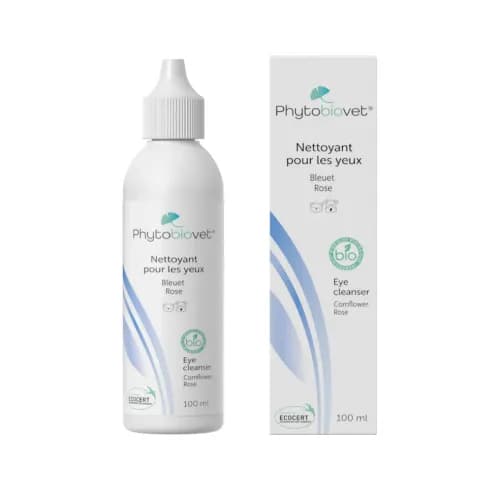
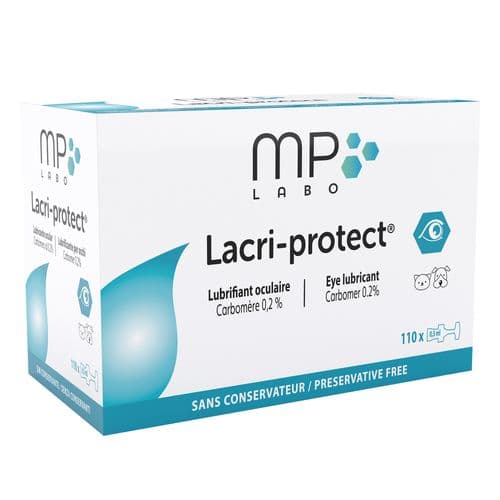
Managing conjunctivitis, after ruling out the previously mentioned causes, may involve applying ointments or eye drops containing antibiotics, antivirals, and/or anti-inflammatory agents depending on the identified cause. Cleaning the eye area with an appropriate eye cleanser is often recommended. If deemed necessary, your veterinarian may also prescribe oral antibiotics or antivirals in tablet form or via injections. In some cases, antihistamines may be advised. During treatment, it may be necessary to fit your cat with an Elizabethan collar to prevent any risk of corneal damage from scratching.
For recurrent conjunctivitis and/or cases unresponsive to treatment, your veterinarian will likely recommend a laboratory analysis. A sample will then be collected using a swab.