
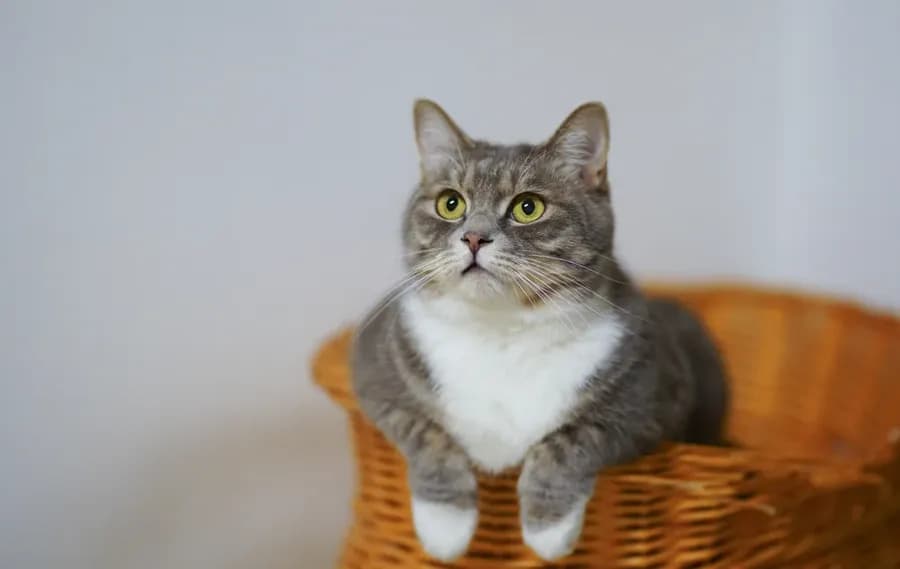
Feline colds, cat flu, feline viral rhinotracheitis—or simply the flu… many names for the same condition. This upper respiratory syndrome is, unfortunately, not uncommon in cats.
How Does Feline Upper Respiratory Infection Manifest and What Causes It?
While this highly contagious condition typically affects the upper respiratory system—often presenting with nasal discharge, sneezing, fever, and loss of appetite—this isn’t always the case. In fact, the symptoms depend on the cause: there are actually several possible origins. Most commonly, coryza is viral in nature.
- Calicivirus is very often associated with gingivitis and/or stomatitis, causing mouth ulcers and salivation;
- herpesvirus is frequently linked to coughing and/or conjunctivitis, which may lead to a corneal ulcer.
Polyarthritis – inflammation of the joints – may also be present.
Bacteria may also be involved, such as Bordetella bronchiseptica , for example, or Chlamydophila felis and Mycoplasma felis.
How Is Cat Flu Transmitted?
Feline coryza is only transmitted between cats. Transmission occurs either through direct contact—via ocular discharge or saliva—or indirectly through sneezing, which can travel up to 1.3 meters, or through shared food. Rhinotracheitis typically affects young animals (between 2 and 12 weeks old) that haven’t been vaccinated, cats living in groups, and immunocompromised cats—such as those with feline FIV or feline leukemia. Many infected cats are considered asymptomatic carriers, meaning they show no clinical signs!
Feline herpesvirus, like other viruses in the herpesvirus family (cold sores in humans are also caused by a herpesvirus, different from the one in cats), can enter a latent—or dormant—state in the ganglia. The animal remains a carrier but does not shed the virus during this time and shows no symptoms. During periods of stress, fatigue, nutritional deficiencies, gestation, or after major surgery, for example, the virus can reactivate.
The best way to prevent cat flu is vaccination. The vaccine protects against herpesvirus, calicivirus, and Chlamydia, with the first dose possible from 8 weeks of age.
How Can I Care for My Cat?
If your four-legged friend is still energetic and has a good appetite despite the sneezing, there’s no urgent need to see a vet. You can help by regularly cleaning their muzzle with gauze soaked in saline solution and using an appropriate eye cleanser for the area around their eyes. You can also increase the proportion of wet food in their diet to make it easier to eat and boost their fluid intake. Steam inhalation usually helps—just make sure to use a cat-safe blend. Not all essential oil formulations are suitable, after all.
However, if your cat appears weak, stops eating, or shows signs suggestive of a corneal ulcer, schedule an appointment with your vet as soon as possible. Depending on the symptoms and the suspected cause, treatment may vary: oral or nebulized antibiotics, bronchodilators, antivirals, anti-inflammatories… If ocular signs are present, your vet will prescribe topical treatments in gel or eye drop form, such as antibiotics or antivirals. Your vet may also recommend an ocular lubricant, as tear production can temporarily decrease due to the virus.
Your vet will likely want to learn more about the agent causing your pet’s cat flu, particularly to prescribe the most appropriate treatment. In this case, they will send a swab sample to the lab for PCR identification. Depending on your cat’s profile, your vet may also test for feline leukemia or FIV. This test can be done in-clinic using a small blood sample.