Food Allergy vs. Environmental Allergy: Understanding the Differences for Your Pet’s Dermatological Health

When dermatological issues arise, such as relentless itching, skin redness, or irritation, allergies are often the first suspect. Two of the main causes of allergies in pets are food allergies and environmental allergies.
Food Allergy: When Food Becomes a Trigger
Food allergies in pets occur when the immune system overreacts to certain proteins found in foods they regularly consume. Symptoms can vary from one animal to another, but they include skin itching, ear infections, vomiting, and/or diarrhea. Meat proteins (chicken or beef), fish, or even certain grains are common triggers.
To diagnose a food allergy, your veterinarian may recommend an elimination diet, in which potentially allergenic ingredients are excluded from your pet’s diet for a set period (often 8 weeks). If symptoms improve during this time and then return when the original diet is reintroduced (provocation trial), this strongly suggests a food allergy.
Environmental Allergy: The Microscopic Particles in Our Surroundings
Environmental allergies are triggered by substances found in an animal’s daily surroundings, such as pollen, dust mites, or mold. Skin symptoms closely resemble those seen in food allergies, and the respiratory tract may occasionally be affected in cats. The condition is also known as canine atopic dermatitis in dogs.
Diagnosing environmental allergies can be more complex than diagnosing food allergies. It relies on clinical signs and ruling out other conditions (particularly food allergies). Skin tests (intradermal reaction) and/or blood tests (serology) can help identify the specific allergens the animal reacts to, and above all, assist in selecting the allergenic extracts to include for desensitization.
How to Care for Your Allergic Pet?
Once your pet’s allergy has been identified, management can vary depending on the type of allergy and the severity of symptoms.
- For food allergies, a strict elimination diet is often recommended, using specially formulated foods.
- For environmental allergies, preventive measures such as regular cleaning of your pet’s environment or using dust mite control products can be helpful. Desensitization—or immunotherapy—involves regularly administering the substance(s) your pet is allergic to, gradually controlling, either fully or partially, the symptoms (skin and/or respiratory) they suffer from.
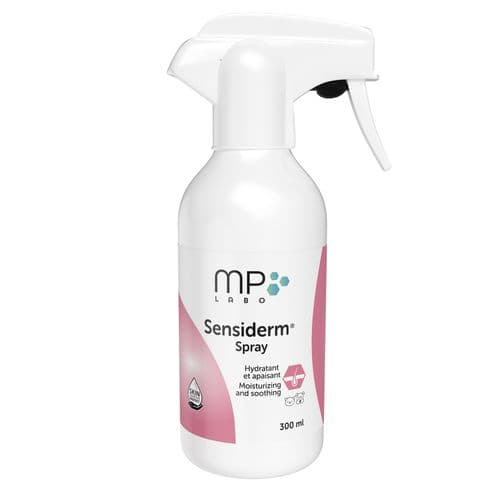
- If the skin barrier is compromised, rehydrating and restorative skin care is recommended to soothe your pet.
While skin symptoms may appear similar in food allergies and environmental allergies, their causes and management differ. By working closely with your veterinarian to identify specific triggers and develop a tailored treatment plan, you can help your pet live comfortably.