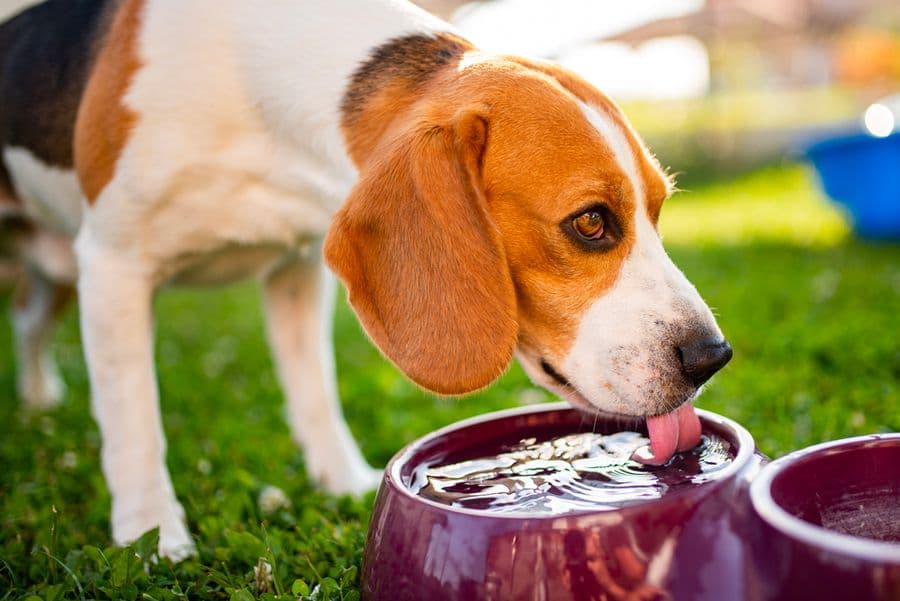
For several weeks now, France and its neighboring countries have been experiencing intense heat, and this rise in temperature poses risks for our pets. How do dogs and cats adapt to soaring temperatures? What is heatstroke? How can it be prevented? And what should you do if you're concerned? We break it all down in this e-mag.
To regulate their temperature during extreme heat, dogs and cats breathe faster, sweat through their paw pads, and lie down on cool, shaded surfaces. Additionally, their body temperatures rise.
What Is Heatstroke?
Heatstroke occurs when temperatures are extremely high. It can happen after intense physical exertion in the heat, or when an animal is exposed to the sun behind a window (especially in a car).
Did you know that a car in direct sunlight can heat up by nearly 10°C every 10 minutes? The hotter it gets, the faster the temperature rises inside the cabin. If it’s 40°C outside, after 10 minutes, it’ll reach 55°C. After 20 minutes, it’ll hit 70°C!
Your pet may start panting heavily, vomiting and/or having diarrhea, bleeding from the nose, being overly restless or overly lethargic, convulsing, or in the worst case, becoming unconscious.
Key Points
If the internal temperature exceeds 40.5°C (104.9°F), the thermoregulation system is overwhelmed. That’s when heatstroke strikes! Brachycephalic breeds like the Bulldog, as well as obese pets or those with cardiorespiratory issues, are at even greater risk. Additionally, young animals are also more vulnerable.
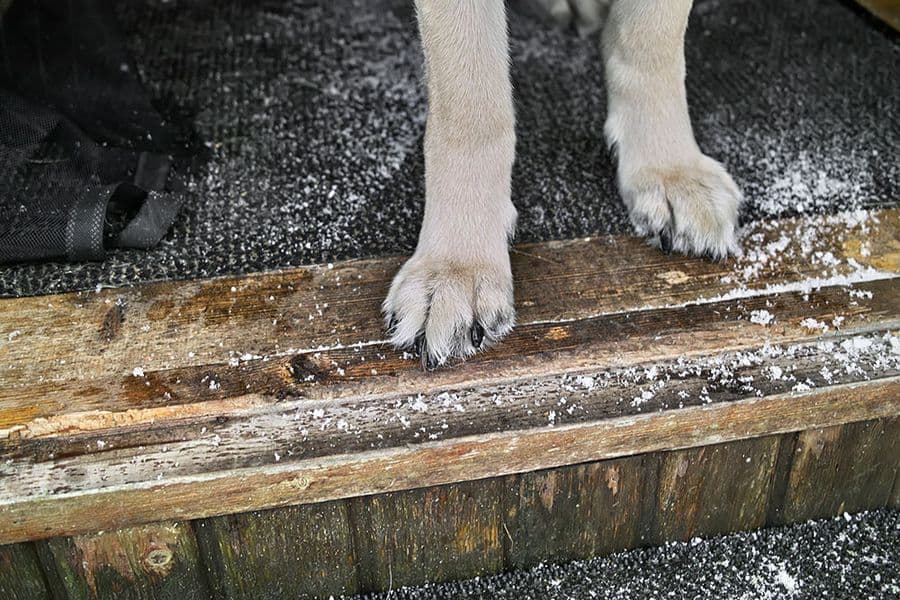
In humans, thermoregulation occurs through sweat glands distributed across the entire body. In animals, however, the number of sweat glands is far more limited, so they dissipate heat through other means: by panting and drooling more (the salivary glands work harder to release excess heat—this applies only to dogs). They can also release heat through their paw pads (specifically via the sweat glands located between the pads). This also happens through a more pronounced dilation of blood vessels in the head and ear flaps.
How to Lower Your Temperature?
To prevent heatstroke, you can keep your pet cool by placing them in the shade and/or in a well-ventilated area. You can also give them a lukewarm water bath—avoid cold water, as it could cause thermal shock. Placing a damp towel on their back or neck should help too. Remember, your pet must always have access to a bowl of fresh water. Cooling mats are also available in pet stores, providing your pet with a cool spot to lie on.
If you suspect your pet is suffering from heatstroke, call your vet immediately!