You’ve noticed it—puppies or kittens with vastly different coats can be born in the same litter. Some are solid-colored, others spotted or marbled, while still others may be bi- or tricolor. But where do these differences come from, and how is fur color determined?
To answer these questions, it's essential to understand how hair grows in dogs and cats.
Hair grows inside the hair follicle, which resembles a small pocket of epidermis invaginated into the dermis.
Around the hair follicle lie key structures essential for hair growth and maintenance, including most of the skin’s glands and the follicular muscles, as well as a highly vascularized area called the dermal papilla, responsible for supplying the nutrients and oxygen needed to produce new cells.
The lower part of the hair follicle swells into a bulb containing the matrix. The matrix consists of constantly renewing cells. Among them are primarily keratinocytes, which produce keratin. As the hair grows, keratinocytes are gradually pushed upward. They stop multiplying while continuing to produce keratin. When the hair emerges from the skin's surface, it is mostly made up of "dead" keratinocytes filled with keratin.
The cells that produce pigments (melanocytes) are also found in the matrix. However, melanocytes are not carried along the shaft. The pigments they produce are transferred to keratinocytes, which incorporate them as they move upward during hair growth.
The two main pigments are pheomelanin, which colors the coat from yellow to red, and melanin, which gives it black or brown hues. Without any pigment, the coat remains white.
Pigments give hair its color—but who decides which pigments are chosen? Genetics!
During fertilization, the father's and mother's genes are combined. Many physical traits are thus inherited from both parents, including fur color, patterns, and the distribution of different colored patches.
There are also genes that control fur density and length, which can influence color perception. For instance, an animal with thick fur will appear darker than one with sparse fur.
Is everything genetically determined, then? Not quite.
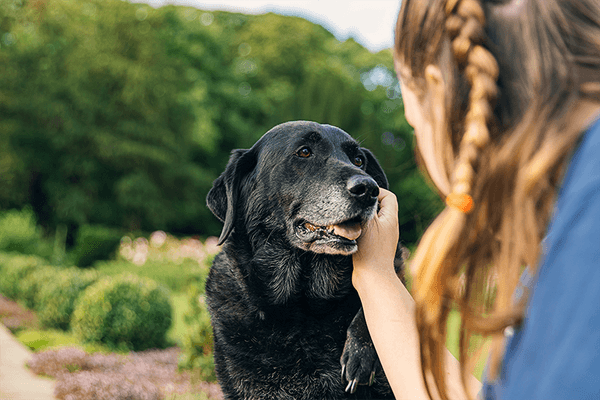
Environmental factors and deficiencies in essential nutrients can affect coat quality and alter its color, as can autoimmune diseases or certain hormonal disorders. Additionally, age is another factor to consider: older dogs often develop graying fur as melanin production gradually decreases, particularly around the muzzle.
Finally, seasonal changes, sun exposure levels, diet quality, and living conditions can all affect hair color and texture.
In short, the variations in patterns and differing colors in animals' coats result from a complex combination of genetic, hormonal, and environmental factors, and can lead to significant differences among members of the same species and even the same litter.
Websites Visited:
Cummings School of Veterinary Medicine at Tufts University: Why Has My Pet’s Black Coat Turned Red?
Demato Veto: Understanding the Skin – A Thematic Guide to Skin Structure on This Veterinary Dermatology Site