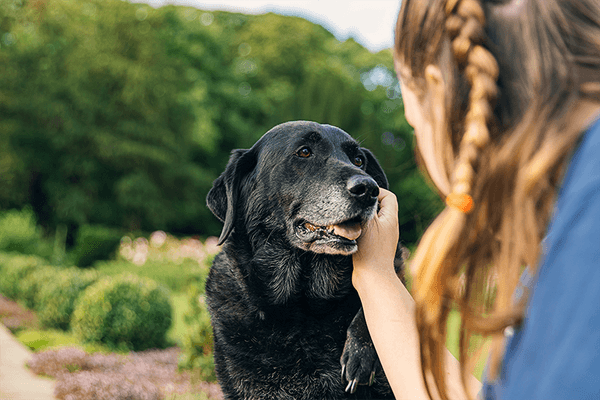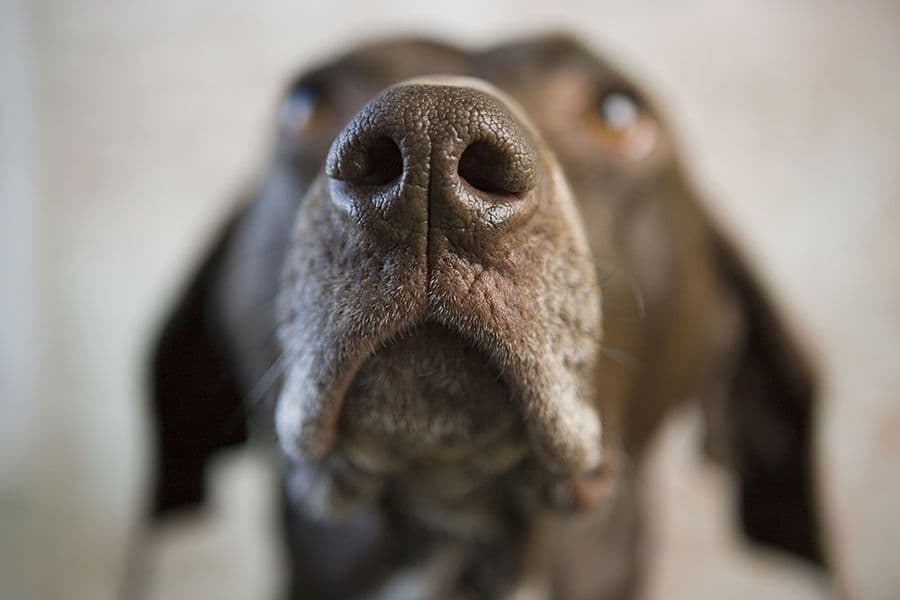
Our four-legged companions' eyes can be truly fascinating, especially with their wide range of colors. Did you know that the iris color of our pets results from a complex interplay of genetic and biological factors?
Genetic Legacy
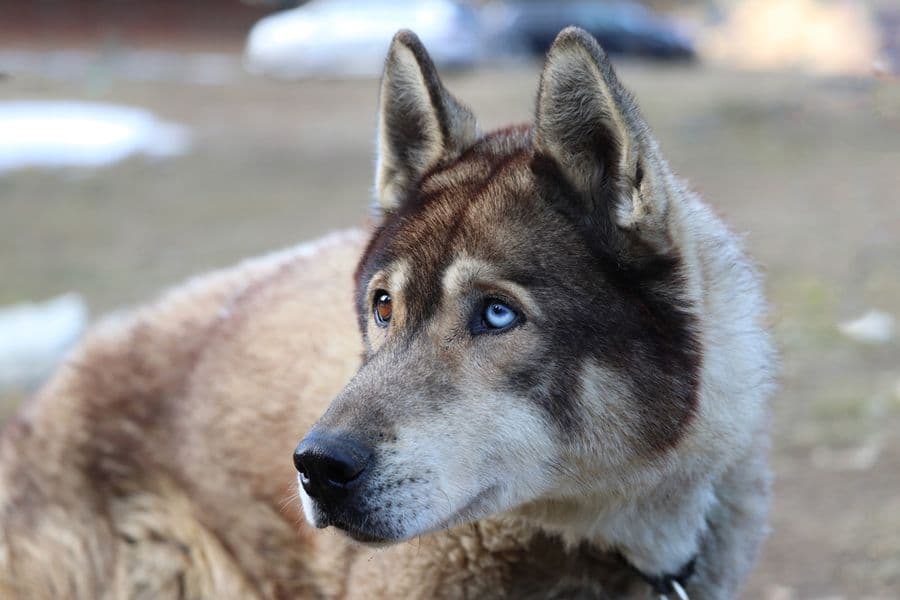
Just like in humans, the color of animals' irises is primarily determined by genetics. The genes responsible for eye pigmentation are inherited from their parents. Thus, kittens and puppies can have different eye colors based on the genetic traits of their progenitors. Additionally, certain dog and cat breeds are more likely to have specific eye colors due to their genetic makeup. For example, the Siberian Husky, Australian Shepherd, and Border Collie are known for their striking blue eyes.
Melanin
Melanin, the pigment responsible for skin, hair, and iris color, determines eye shade in animals. The amount and distribution of melanin in the iris influence eye color. Animals with a higher quantity of melanin will have darker eyes, while those with less melanin will have lighter eyes.
Color Variability
Cats display a wide range of eye colors, from green to blue, including yellow and amber. In dogs, while brown is the most common, shades of blue, green, and even yellow can also be found.
The Role of Light
How light interacts with pigments in the iris can affect the perception of eye color. Some dogs and cats appear to have eyes that shift in color depending on the lighting, changing from brown to green or blue.
Color Change: Should You Be Concerned?
A sudden change in eye color can sometimes occur. It generally indicates an underlying eye condition. The causes vary: uveitis—an inflammation of the iris, among others—may be responsible, as well as certain iris tumors. If you notice this kind of change in your four-legged friend, schedule an appointment with your vet.