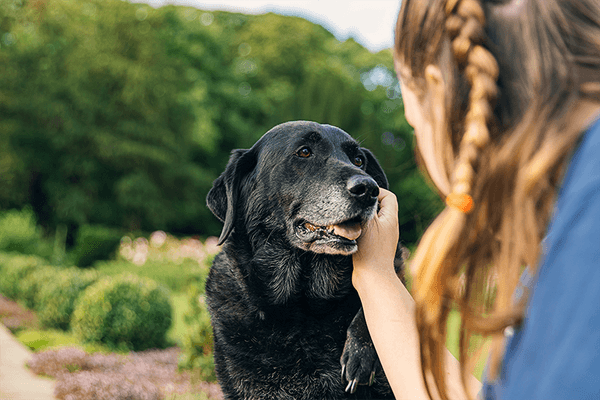
Noticing your dog or cat "aging"? They may be suffering from osteoarthritis. Don’t panic. While this condition is irreversible, you can improve their comfort and mobility. Discover the 4 key areas veterinarians recommend focusing on to slow osteoarthritis progression and relieve associated pain.
1. Weight Management
Excess weight and obesity are risk factors because the more weight an joint bears, the faster it may wear out—but more importantly, because they trigger a chronic, systemic inflammatory state. This low-grade inflammation, which silently progresses in the body, is harmful to joints (among other things) and can lead to imbalances that cause osteoarthritis. It’s therefore essential to monitor your pet’s weight by providing high-quality food in the recommended amounts. To check if your dog or cat is at a healthy weight, take the test in our e-mag dedicated to excess weight!
2. Workout Management
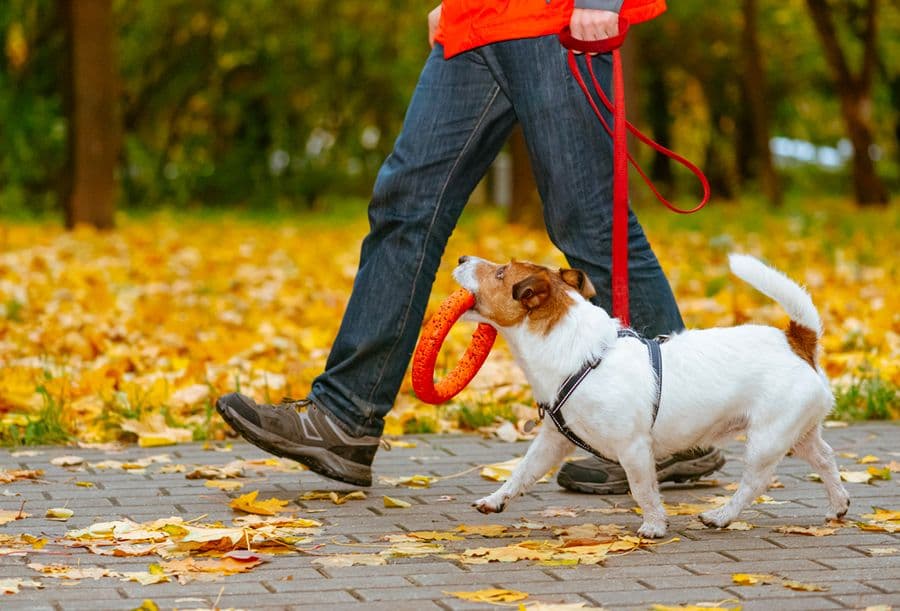
Even when osteoarthritis-related pain is present, it’s essential to maintain regular, moderate physical activity. Aim for at least 20 to 30 minutes of exercise twice a day. This helps, among other things, preserve muscle mass. Any way to get your pet moving is beneficial: going for walks, swimming, playing hide-and-seek with kibble (simply hide healthy treats or kibble around your home), chasing a tennis ball, or even crumpled-up paper balls… The key is ensuring your four-legged friend enjoys it!
3. Medication Management
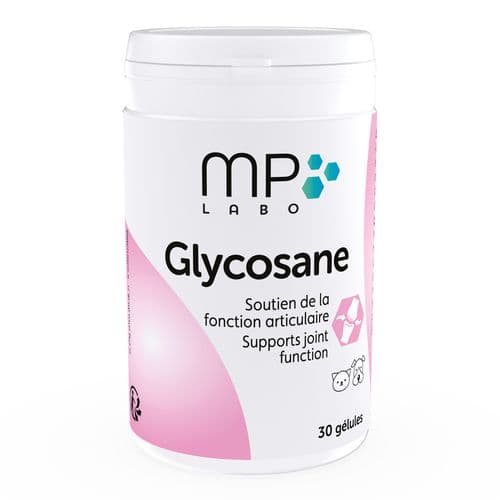
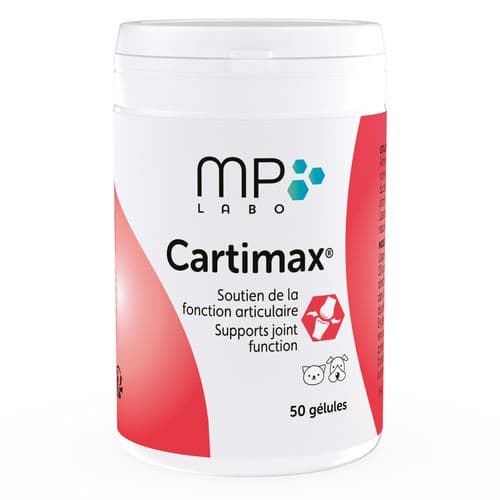
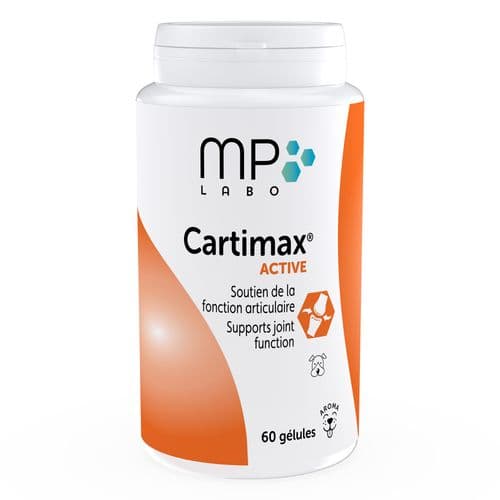
In a crisis, your veterinarian may prescribe anti-inflammatory drugs and pain relievers. Chondroprotectors are beneficial for maintenance and long-term use: they support joint health. Beyond medication, complete foods and complementary foods have shown benefits in the long-term management of osteoarthritis, alongside the treatment prescribed by your veterinarian. Numerous scientific studies have demonstrated the effects of essential omega-3 fatty acids on modulating the inflammatory cascade. Many plants are also known in phytotherapy for their beneficial effects on inflammation, such as meadowsweet and devil’s claw, or for their ability to help maintain bone density (as with bamboo, thanks to its high silica content). Lastly, supplementing your pet’s diet with cartilage components (type II collagen, GAGs—including glucosamine and chondroitin) also offers benefits: they contribute to joint health!
4. Non-Pharmacological Management
These are all the techniques that can support your pet to enhance their well-being, strengthen specific muscle groups, or improve their flexibility. Physiotherapy, osteopathy, hydrotherapy, acupuncture—don’t hesitate to ask your attending vet or their veterinary assistant if they can recommend any practitioners. These practices require specialized skills and equipment, but this field is booming!
Sources:
Review of Dietary Supplements for Osteoarthritis Management in Dogs from 2004 to 2014: This literature review aims to summarize the available scientific data on dietary supplements evaluated for managing osteoarthritis in dogs.
Therapeutic Use of Fish Oils in Pets: This article by John E. Bauer is likely the gold standard for using omega-3 essential fatty acids in our four-legged companions.
Practical Guide to Phyto-Aromatherapy for Pets: This book for veterinarians covers phytotherapy, aromatherapy, gemmotherapy, apitherapy, mycotherapy, and nutraceutical therapy.
The Alforme Website: Alforme is a rehabilitation center dedicated to pets.