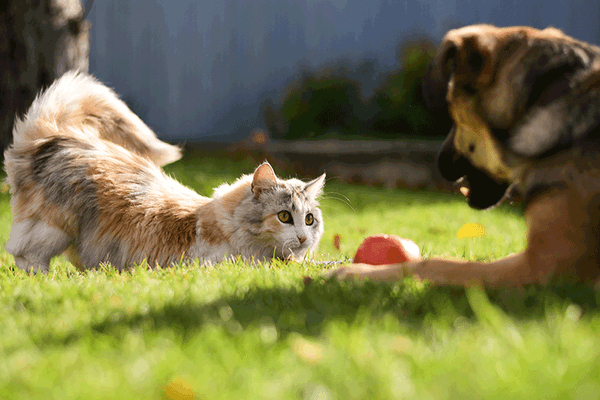
Our pets' eyes are constantly exposed to irritants and environmental hazards. Wind, dust, sand, snow, or pollen can cause discomfort or inflammation. These aggressions may lead to tearing, redness, or even infections if left untreated. Knowing the right steps helps effectively protect your companion's eyes and maintain their daily comfort.
Outdoor Prevention
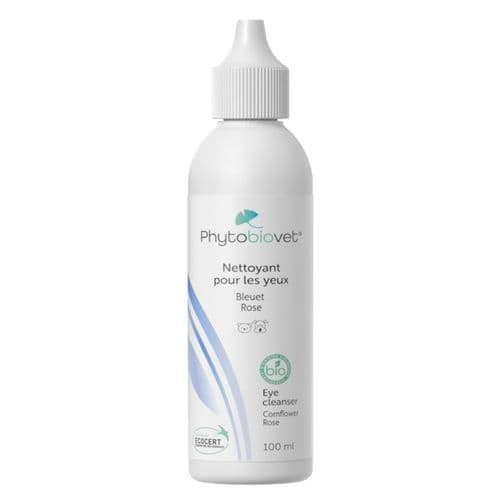
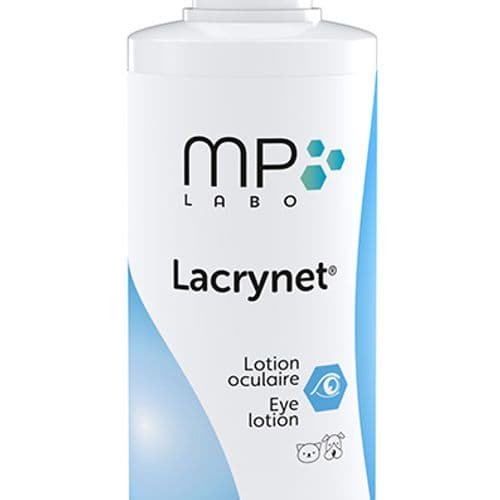
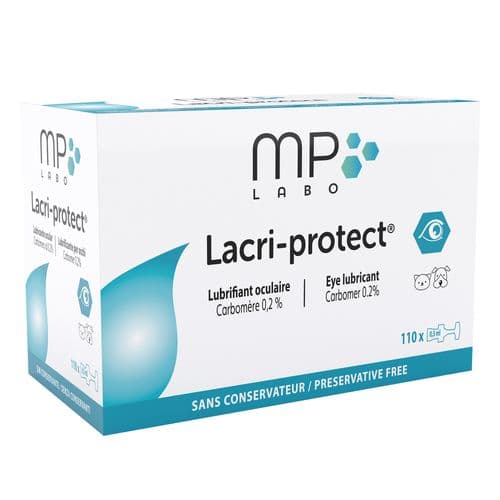
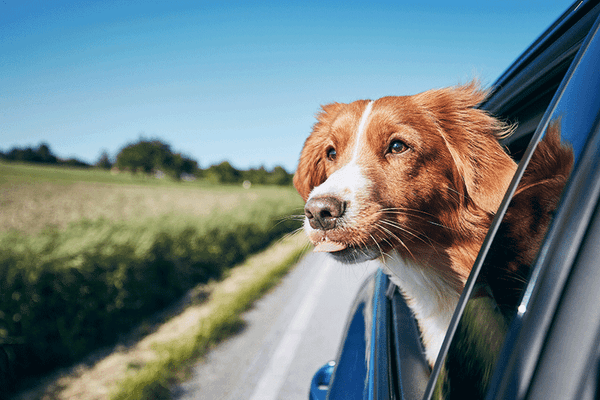
During walks, it's advisable to avoid very dusty or windy areas when possible. After a stroll, if your dog or cat has been in contact with pollen, dust, or sand, a gentle rinse with a **[missing product reference]** helps remove irritating particles before they cause inflammation. For sensitive animals or those exposed to particularly harsh environments, there are also **[continuation]** Specially designed eye protectors to shield the cornea Applied before exposure to wind, dust, or sand, these products reduce the presence of particles or irritants on the eye's surface, helping to minimize irritation and enhance the animal's comfort.
Daily Hygiene and Care
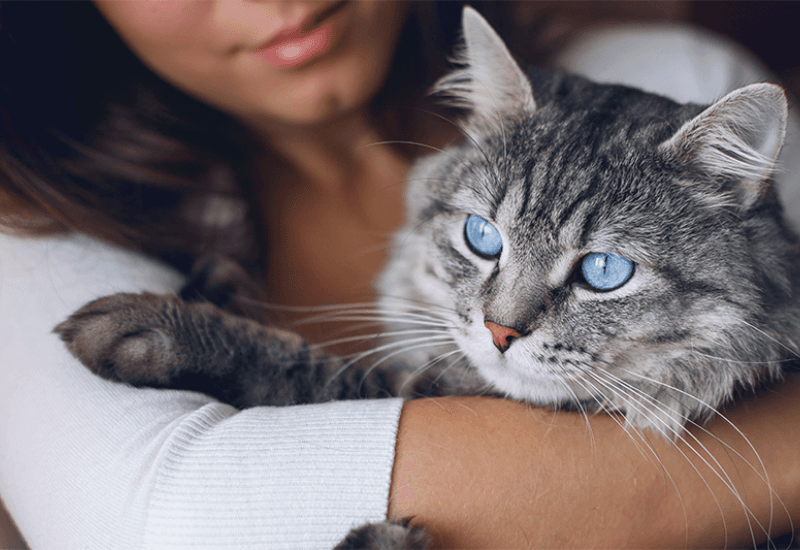
Long-haired dogs and cats can accumulate dirt around their eyes. A gentle cleanse with a compress soaked in suitable solution can reduce the risk of irritation and prevent chronic discomfort. Pets prone to allergies particularly benefit from simple steps to limit exposure to airborne or household allergens.
Daily Observation
Paying attention to signs of discomfort is essential. Watery eyes, persistent redness, frequent blinking, or repeated rubbing are all indications that your companion's eye health needs attention. Early veterinary consultation helps prevent complications and stops minor discomforts from becoming serious health issues.
In short, protecting your pet’s eyes doesn’t require complicated steps: by combining prevention, hygiene, and vigilance, you help maintain their eye health and comfort every day. Simple actions, like rinsing after exposure to irritants and using eye protection when needed, can make all the difference.