Need to transport your cat and want everything to go smoothly? How can you ensure your companion’s well-being during the trip? Here are some practical tips for a comfortable and secure journey.
The bag is lighter, the cage is sturdier… which to choose?
To make the right choice, it's essential to consider your cat's specific needs during travel. Here are some key points to keep in mind:
- Aggressive cats require easy handling with minimal restraint or interaction.
- Fearful cats will need to feel hidden.
- Anxious cats will need to breathe easily and require a cage that’s simple to open and clean.
- Bold and confident cats will travel well in almost any carrier.
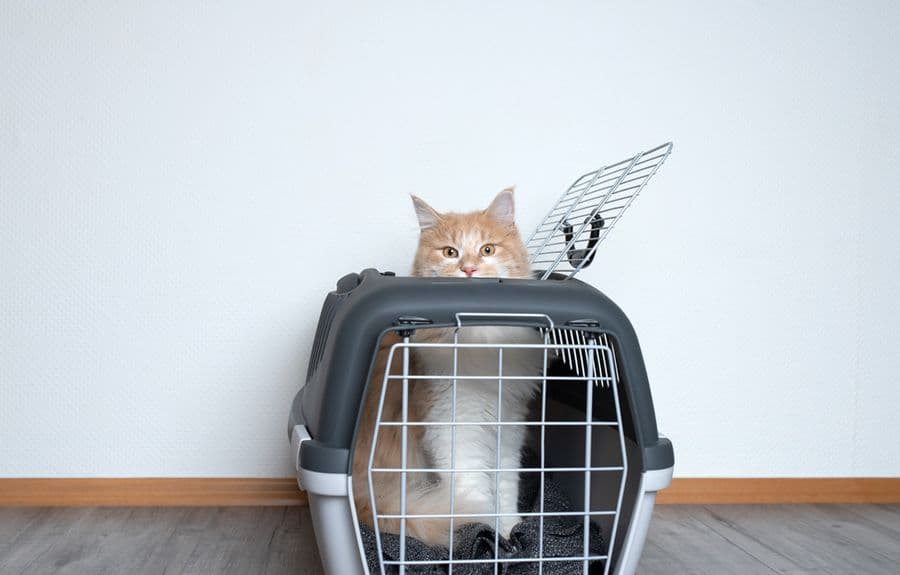
Please note that airlines require IATA-approved (International Air Transport Association) crates, designed to provide maximum protection and safety for your cat during air travel. These crates must meet specific requirements, such as the appropriate size for your pet’s build, optimal ventilation, secure locks, and sturdy, durable materials. Be sure to check these requirements before selecting a travel carrier for your cat.
Cage Travel Training
It’s recommended to prepare your cat for travel by gradually getting them used to the carrier. Here are the steps to follow:
- a) Start by introducing the cage without the top.
- b) Next, leave the cage open while offering treats to encourage your cat to enter.
- c) Once your cat is comfortable, attach the cage top while continuing to reward them.
- d) Finally, give one last treat and close the cage door.
Comfort and Well-being During Transport
Note that excessive meowing and rapid breathing may be signs of stress in cats during transport. A panting cat may be too hot, but could also be under significant stress. Bowel movements or urination in the carrier can also indicate stress, so it’s important never to punish them.
To help reduce your cat’s stress during transport, you can cover the carrier with a cloth—just make sure not to block it completely. This can create a more reassuring environment and give your cat some privacy. However, ensure there’s enough ventilation to allow proper airflow.
Natural solutions exist to soothe your cat during travel, such as pheromones or supplements
Food and Hydration
The need to feed your cat during transport depends on the length of the trip. Some cats may refuse to eat while traveling, but it’s essential to provide them with plenty of water, especially in hot weather.
By following these simple recommendations, you can help make your cat’s journey more comfortable and less stressful. Always stay attentive to their well-being and don’t hesitate to ask your vet for advice if needed.
Discover these tips and many more tutorials on our YouTube channel.