Choosing a good topical treatment is a first step. But for it to be fully effective, it must be used correctly. Applying a topical treatment shouldn’t feel like a chore—for you or your pet. Instead, it’s an opportunity to create a moment of calm, gentleness, and bonding.
This third article offers a step-by-step guide to making skincare application a simple, effective… and enjoyable gesture.
Set the Right Conditions
Everything starts with the environment. A rushed or stressful grooming session will be poorly tolerated by your pet and less effectively absorbed by their skin. Opt for a time when your dog or cat is calm—after a walk, a meal, or when settling back at home.
Choose a quiet, temperate, well-lit spot. Prepare all the necessary supplies in advance: grooming products, towel, gloves, brush, and treats. Speak to your pet in a soft, encouraging voice. If it’s a routine they’re already familiar with, you can pair it with a positive keyword (“let’s do grooming!”), followed by a reward.
Tailoring the Galenic Form to the Situation
Not all topical treatments come in the same form, and each format has its benefits depending on the area to be treated, frequency of use, and the animal’s temperament.
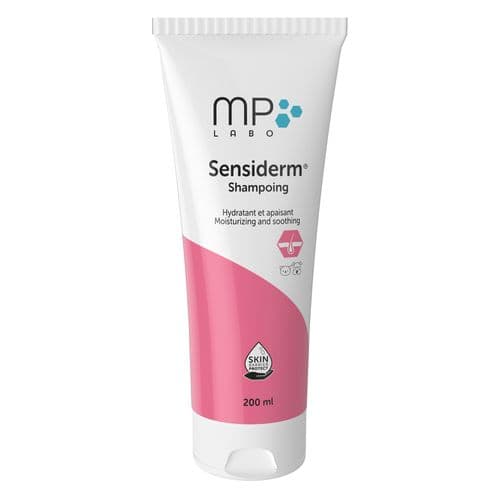
- Shampoos: perfect for deep-cleaning the entire body or as part of a dermatological treatment. Require thorough rinsing.
- Rinse-free foams: highly practical for animals that dislike water or for frequent care between baths. Applied to dry fur, they only need a light wipe-down.
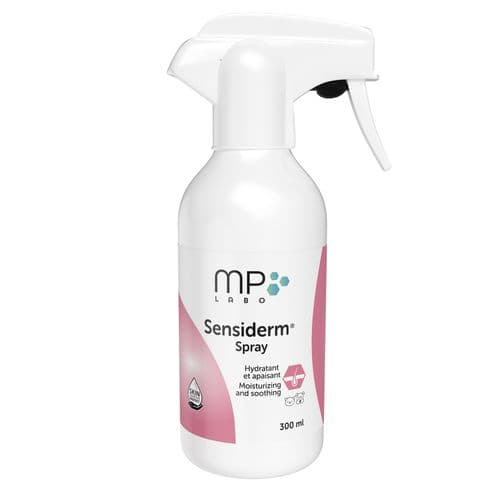
- Sprays or lotions: ideal for small, targeted areas. They allow for quick application, often enriched with moisturizing or antiseptic agents.
- Wipes: recommended for skin folds, paw pads, periocular, or perianal areas. They provide gentle and quick cleansing.
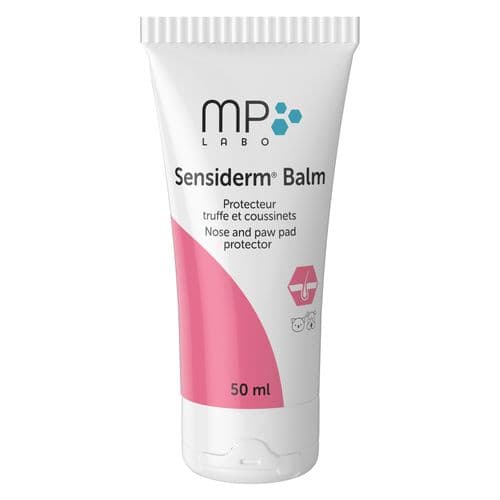
- Balms: designed for thickened, rough, or dry areas (nose, paw pads, elbows). They deliver protective and restorative action.
For cats, which often resist handling, foams and wipes are usually better accepted than sprays or baths.
Apply the Treatment: A Gentle and Effective Method
1. Shampoo:
- Wet your pet with lukewarm water.
- Apply the shampoo all over the body.
- Gently massage for 5 to 10 minutes.
- Rinse thoroughly until the water runs clear.
- Dry with a soft towel, avoiding excessive rubbing.
Here’s a video showing you exactly how to give your four-legged friend a shampoo:
2. Rinse-Free Foam
- Apply the mousse directly to dry fur.
- Massage gently against the grain.
- Blot lightly or let air-dry.
3. Spray or Lotion:
- Spray from about 20 cm away from the skin (or apply with a compress).
- Gently massage to help the product absorb.
- Avoid contact with eyes.
4. Wipes:
- Gently clean the targeted area (folds, paw pads, ears, etc.).
- Use a fresh wipe for each area.
- Allow to air-dry.
5. Balm:
- Apply a small hazelnut-sized amount to the area.
- Massage until fully absorbed.
- Prevent the animal from licking the area for a few minutes.
How Often Should You Use It?
Frequency depends on the product—and your needs:
- Regular maintenance: 1 to 2 times a month for shampoos; 2 to 3 times a week for sprays or foams.
- For problem skin: as recommended by your vet, sometimes every 2 or 3 days.
Tip: don’t hesitate to establish a small regular routine (e.g., cleaning folds every evening) to keep an eye on your skin’s progress.
Turn Care into a Moment of Connection
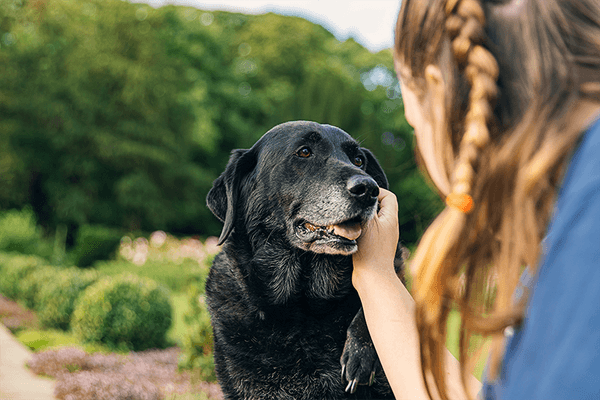
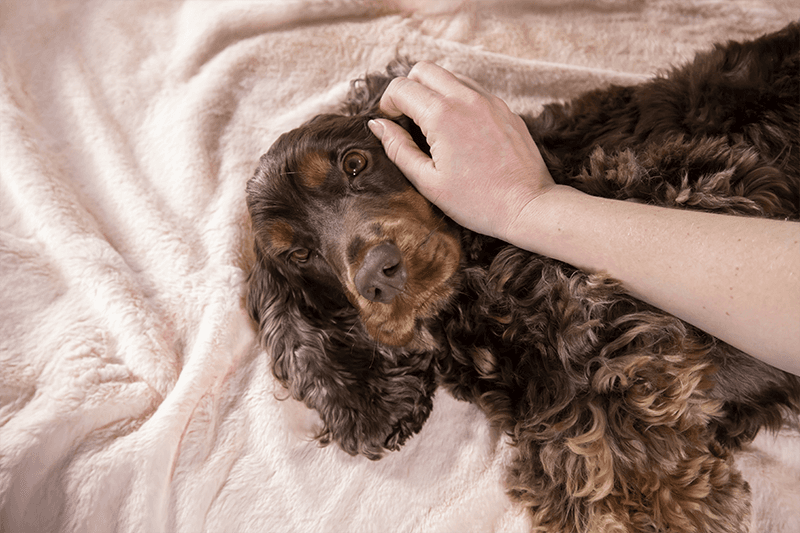
It’s essential to pair the application of the treatment with a positive experience. Praise your pet, give them a treat afterwards, and play with them for a few moments. Gradually, they’ll understand that this isn’t a punishment or a chore, but a caring and attentive ritual.
If your pet is anxious or restless, start with very short sessions focused on a small area. Gradually increase the duration and the areas covered.
In short
A perfectly applied treatment means:
- A tailored product,
- a sensible frequency,
- a reassuring environment,
- gentle and gradual application.
And above all, it’s an act of love: because taking care of your pet’s skin means ensuring their comfort, their health… and their overall well-being.