

Hygiene
A cat’s eyes, though naturally protected, require regular care to prevent irritation or infection. Weekly cleaning with suitable products and monitoring for unusual symptoms are key to maintaining good eye health.
Even with effective cleaning and defense systems, the eye is a delicate organ. That’s why it’s essential to regularly care for your cat’s eyes!
Wondering about your feline friend’s eyes? Here’s some insight into the structure of your cat’s eyes.
Depending on the season and environment, your cat’s eyes may become sensitive. Regular cleaning is then necessary to remove impurities. Discover how often and which products to use for your cat’s eye care.
Why Should You Clean Your Cat’s Eyes?
Your cat’s eye has a natural defense thanks to its three eyelids and tear glands, protecting it from dust and other foreign bodies. However, this protection isn’t foolproof. To prevent any risk of complications that could send your feline straight to the vet, you should regularly monitor your cat’s behavior and tear production.
Caring for Your Cat’s Eyes
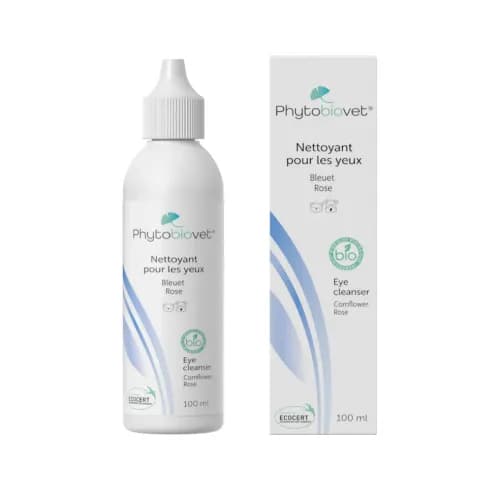
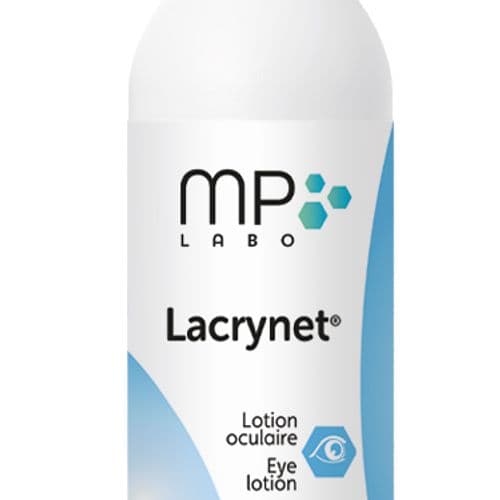
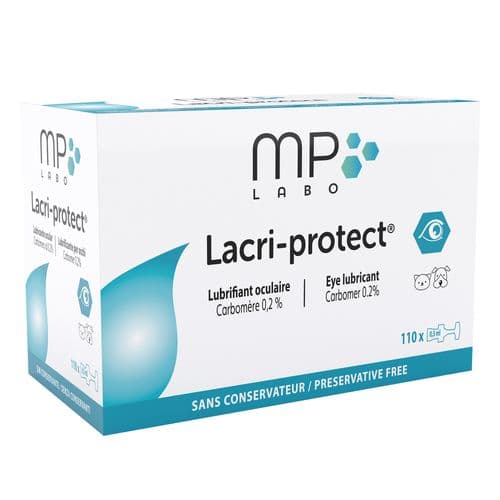
Caring for your cat’s eyes is important, but it’s essential to do it properly with suitable Eye Cleanser products. Cleaning should be done about once or twice a week—or more frequently for some individuals. Gauze pads or cotton pads are recommended. Other accessories may contain harmful particles that can come loose during cleaning.
To wipe the outer eye area, soak the pad with saline solution, an ocular solution, or an antiseptic lotion prescribed by your vet. This helps loosen and clean fur around the eyes while soothing irritation. For the inner eye, use an eye drop solution specifically designed for this purpose, ideally one recommended by your vet.
Eye Symptoms That Require a Vet’s Attention
If your cat appears to be suffering from itching, irritation, redness, discomfort, or even pain, if you notice wounds, if you see matted fur around the eyes, abnormal discharge, or secretions turning yellow or green, contact your vet as soon as possible. They can supplement the care you provide with additional medication to eliminate any potential infection or recommend a suitable product for eyelid healing and soothing irritation.