

Hygiene
Dog eyes, though naturally protected, require regular care—especially for short-faced or long-haired breeds. Proper cleaning with specialized products helps prevent irritation and infections, but a veterinary consultation is essential if any unusual symptoms appear.
Even with effective cleaning and defense systems, the eye is a delicate organ. That’s why it’s essential to care for your dog’s eyes on a regular basis!
Wondering about your four-legged friend’s eyes? Here’s some information on the structure of your dog’s eyes.
Our four-legged companions' eyes are delicate and require proper care. The natural function of eyelids and tears largely cleans the eyes by sweeping away dirt and foreign bodies to the corner of the eye for easier removal, preventing irritation. However, certain breeds or types of dogs are more vulnerable to external irritants and will need to follow a strict eye hygiene routine—this includes short-faced breeds with prominent eyes or long-haired pets prone to buildup around the eye area.
When Should We Ensure Our Pets' Eye Hygiene?
There is no specific frequency required for eye washing. However, you can cleanse your eyes after spending time in a particularly dusty area, in the morning upon waking, or whenever you notice dirt or dry eyes. It’s important to use a suitable eye cleanser.
Which Products to Use?
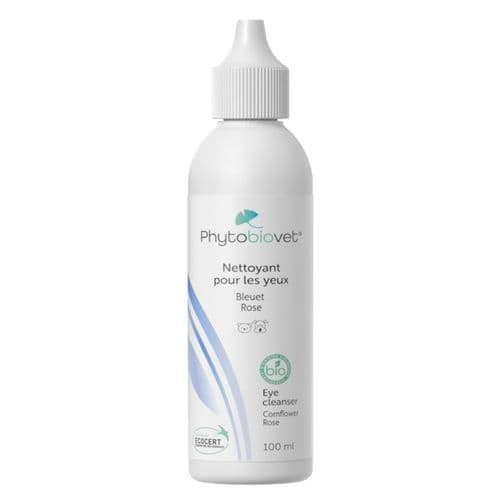
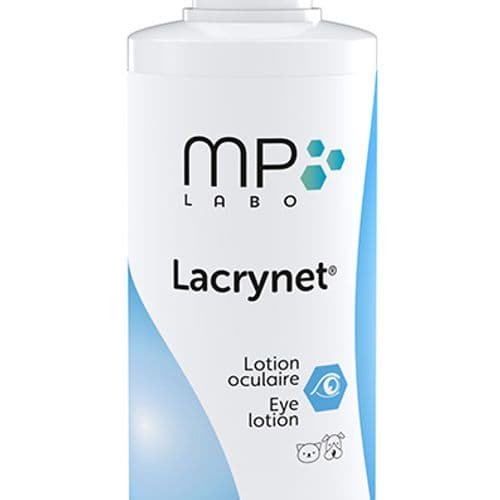
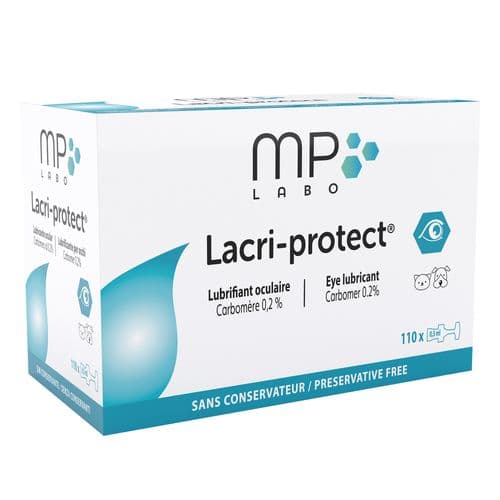
First and foremost, make sure never to use cotton wool, as it may disintegrate. Gauze pads are a better option: you can soak the pad in cleansing lotion and gently wipe the eye contour, or apply the lotion directly into the eye to remove corneal dust. Pre-soaked pads are also available.
When Should You See the Vet?
Using a good physiological cleanser will help you prevent many eye problems. However, some signs should alert you and prompt a visit to the vet: redness, irritation, itching, if you notice matted fur around the eye area, unusual discharge, yellow or green secretions, or wounds. Don’t hesitate to seek advice if your pet keeps one eye closed or scratches their eyes. A soothing eye drop solution may be prescribed, but always after a medical consultation.