Urinary disorders also affect cats and may impact one in twenty-five felines during their lifetime. These conditions, which affect the bladder and ureter, can stem from various causes and encompass several diseases, but they all share common effects: discomfort for the cat, soiling issues, and in some cases, serious consequences. Among these disorders, feline idiopathic cystitis is one of the most common.
What Causes Idiopathic Cystitis?
Feline Idiopathic Cystitis (FIC) is a condition similar to interstitial cystitis, particularly observed in women. The term "idiopathic" was assigned to it because its etiological origin remained unknown for a long time. In recent years, understanding of its mechanisms has become clearer, and specialists propose two models:
- a "bottom-up" model, originating in the bladder, with primary tissue damage, bacterial infections, bladder stones, or an imbalance in the urinary microbiota that lead to sensitivity in the bladder lining known as the urothelium. In cats, urine is a concentrated, aggressive medium that, when it comes into contact with a less protected lining, becomes irritating and causes discomfort.
- a "top-down" model, in which a genetic or congenital cause creates heightened sensitivity and an emotional imbalance. This may begin as early as gestation for future kittens due to stress experienced by the pregnant mother or be linked to unfavorable events in early life, creating a predisposing condition.
In both cases, a single event can trigger a crisis, and regardless of the cause, a vicious cycle sets in: urinary discomfort creates emotional imbalance, which in turn leads to urinary issues…
What’s the progress?
Generally, the condition progresses well with appropriate care. In some cases, however, a complicated form may develop: a mucus plug can form, obstructing the urinary tract (the urethra) and blocking urine flow. This is more likely to occur in males, as their urethra is longer and narrower than that of females. If this happens, it is a veterinary emergency!
However, it’s important to remember that cats prone to these disorders tend to relapse. A comprehensive, individualized approach can reduce this tendency to just a few episodes over their lifetime, usually triggered by extreme emotional distress.
How to Prevent Recurrence?
Managing these disorders first requires the veterinarian to conduct a thorough examination to refine the diagnosis and characterize idiopathic cystitis. If it is indeed FIC, steps should be taken across several approaches.
This includes a tailored diet or complementary foods to help support urinary health, particularly by helping to dilute urine. Among these dietary measures, those that encourage fluid intake—and thus urine dilution—should be prioritized.
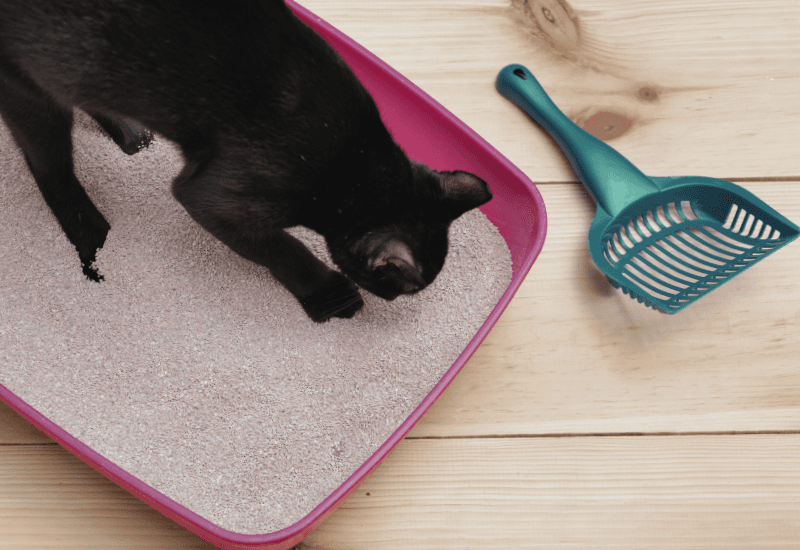
Managing your cat’s living environment is often essential to reduce stress, especially in multi-pet households. Creating a calming space means focusing on key areas: food, bedding, rest zones, clean litter boxes, and perches (unlike dogs, cats live in a three-dimensional world).
Finally, since stress can trigger recurrent episodes, it’s essential to minimize sudden changes in your cat’s life. When this isn’t possible, the key is to anticipate them as much as possible…
Feline idiopathic cystitis is therefore a complex disorder, involving both urinary and emotional factors. A deep understanding of each cat and its environment is key to finding the most suitable holistic solutions to reduce recurrences.