Over 60% of cats aged 6 and older suffer from arthritis in at least one joint. This figure rises to 82% in cats over 14 years old. Yet, unlike dogs, arthritic cats don’t always show obvious limping. Their symptoms are often subtle and appear as behavioral changes. So, how can you spot the signs and improve your cat’s daily life?
Recognizing Osteoarthritis Signs
Signs of osteoarthritis in cats can be grouped into four main categories:
- Mobility Issues: Your cat may seem hesitant when jumping or no longer climbs stairs as before. Jumps are now lower, a sign that arthritis could be affecting their joints.
- Decreased Activity: A cat with arthritis often becomes less active. They play less, sleep more, and reduce their usual activities.
- Poor Grooming: Due to pain and reduced flexibility, especially in the back, your cat may stop grooming properly. You may notice longer claws or areas where grooming is incomplete.
- Behavioral Changes: Some cats become more distant, avoid contact with their owner or other cats, and may seem quieter or irritable.
Understanding Osteoarthritis
Osteoarthritis is a degenerative joint disease. It begins with the wear and tear of cartilage, a substance that acts as a cushion and facilitates bone movement. Gradually, inflammation sets in, causing pain and joint structure deterioration. While this disease is irreversible, it is possible to slow its progression and improve your cat’s quality of life.
Improving Your Cat’s Mobility: The 4 Key Areas
Fortunately, you can take steps to help your cat live better with arthritis. Vets recommend focusing on four key areas.
- Weight Management
Excess weight worsens osteoarthritis. Not only does it put extra pressure on the joints, but it also contributes to systemic inflammation. To prevent this, ensure a balanced diet in appropriate portions while avoiding dietary excesses. Eating smaller, more frequent meals and using fun slow-feeding tools can also help. For older individuals, it’s important to regularly reassess whether their diet remains suitable.
- Moderate Physical Activity
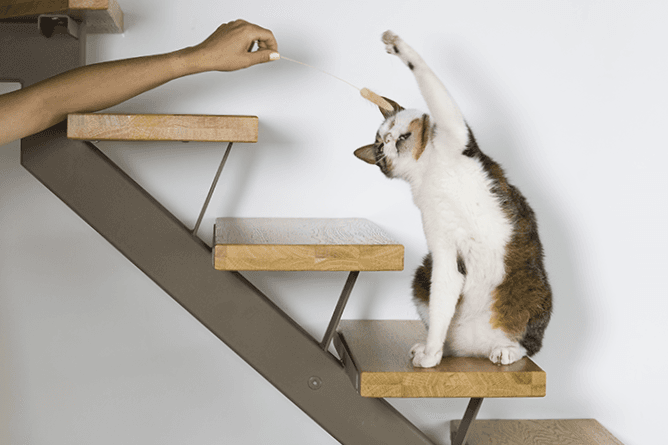
While your cat may suffer from arthritis, it’s crucial to maintain regular, moderate physical activity. This helps preserve muscle mass and keep joints mobile. For example, you can hide their kibble around the house to encourage movement, space out their feeding and resting areas, or simply engage them in moderate-intensity play… It’s great for their mood too!
- Joint Support
Your vet may prescribe anti-inflammatories and pain relief for acute pain episodes. Alongside these medical treatments, certain foods rich in omega-3 fatty acids, glucosamine, chondroitin, or collagen can also support joint health. Some plants, such as meadowsweet or devil’s claw, have also shown beneficial effects.
- Complementary Therapies
Therapies like physiotherapy, osteopathy, or even acupuncture can significantly improve the well-being of cats with arthritis. These techniques help loosen joints, relieve pain, and rebuild your cat’s muscle mass.
While osteoarthritis is a chronic and irreversible disease, it’s entirely possible to slow its progression and improve your cat’s quality of life. Regular management of their weight, activity, and joint health—alongside your veterinarian—can make all the difference. Remember: osteoarthritis can be managed, but it requires early intervention.