
Diarrhea is defined as an increase in the frequency and/or volume of bowel movements. Stools are then typically loose or even liquid.
My pet has just developed diarrhea.
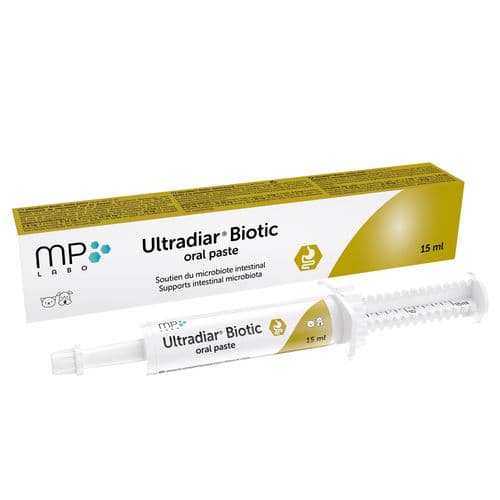
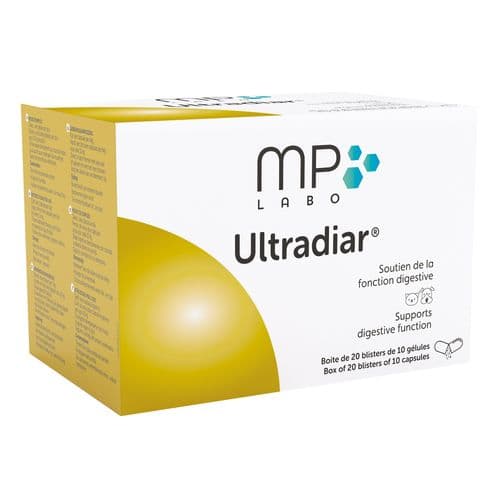
Don’t panic! Initially, as long as your four-legged friend’s overall condition isn’t deteriorating, there’s no immediate need to rush to your regular vet. Offer them highly digestible foods—like rice, chicken breast, and cooked carrots or zucchini—to help. Make sure they stay well-hydrated, especially if it’s a kitten or puppy. Lastly, consider giving them supplements with adsorbent and absorbent ingredients. Activated charcoal, carob, and bilberry should soothe your pet’s digestive tract and help restore their digestion.
Most diarrhoea cases are classified as acute: they clear up within a few hours or days. They can occur following:
- Ingesting toxins or spoiled or unsuitable food;
- A sudden dietary change;
- An infection—viral or bacterial;
- A parasitic infestation.
If in doubt, if other symptoms appear, or if your pet's general condition worsens, contact your veterinarian.
My pet's diarrhea won't clear up
Diarrhea is considered chronic if it lasts more than 10 days in cats and 3 weeks in dogs. In such cases, the causes can also be varied. It may stem from:
- Dietary – allergy or intolerance;
- Infectious – bacterial overgrowth and dysbiosis, or chronic viral infection;
- Parasitic;
- Immune;
- Pancreatic – exocrine pancreatic insufficiency – or hepatic;
- Tumoral.
Finally, chronic diarrhea can also stem from an extra-digestive issue—such as kidney failure, for example.
In this case, consulting your vet is essential! After a thorough clinical examination, they will consider additional tests to identify the cause. Blood tests, stool analysis, abdominal ultrasound—your vet will prescribe what’s most appropriate based on their diagnostic hypotheses.