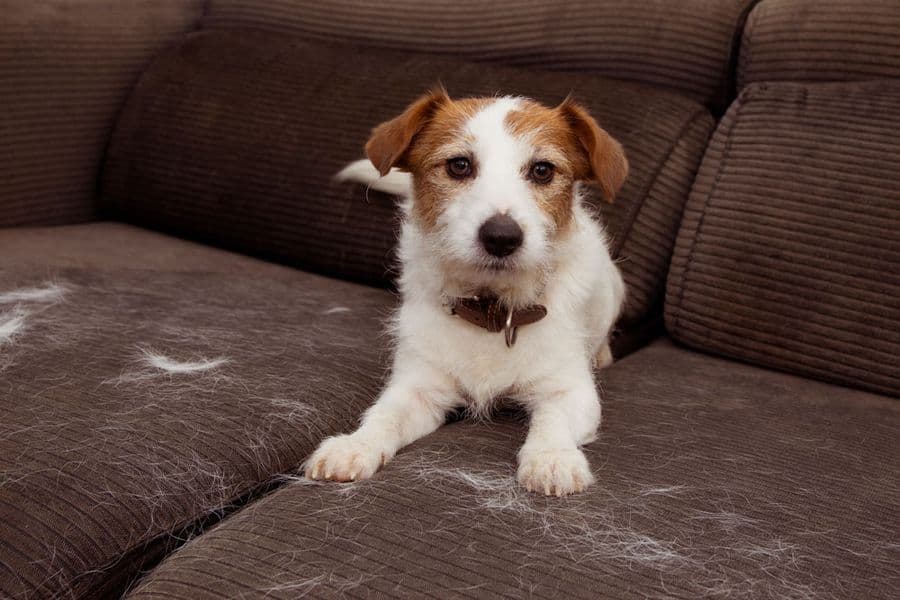
Shedding is seasonal, resulting in a significant loss of fur. It is a natural, normal, and expected process—distinct from alopecia, or abnormal, excessive hair loss—which may signal dermatological conditions, parasitic infestations, or systemic diseases like endocrine disorders. Just as a reptile sheds its skin, a dog renews its coat. This typically occurs twice a year: in spring and autumn.
What Is Shedding?
A dog's fur grows and sheds throughout the year. During major temperature shifts—common in autumn and winter—this shedding becomes more pronounced. In spring, it reaches its peak as the dog sheds its winter coat, thinning it out to make way for fur better suited to warmer weather. In autumn, the molt is less intense, with the coat growing thicker and longer to adapt once again to the cooler temperatures ahead.
The shedding cycle can vary based on several factors. The dog's breed is the first of these. Some breeds shed their fur year-round, with more intense shedding during autumn and winter, while others only shed during these seasons, and some don’t shed at all. Huskies and Caucasian Shepherds, for example, shed very large amounts of fur. Their lifestyle can also be a factor: if a dog is used to sleeping outside in the garden at night, for instance, its shedding cycle won’t be the same as a dog living indoors. Heavy shedding can also be linked to poor or deficient nutrition. Foods rich in fatty acids and vitamins can help improve coat quality.
However, significant hair loss may also be linked to an underlying condition, such as a parasitic infection, an allergy, or hormonal disorders.
Tired of Pet Hair Everywhere?
Brushing
Shedding is a natural phenomenon. This cycle cannot be eliminated. However, to make this period easier, there are several steps you can take. First, it’s recommended to brush your pet regularly—this will help remove the maximum amount of dead hair and mean less vacuuming later! Regular brushing also benefits blood circulation at the base of the hair, promoting regrowth. Daily brushing is advised. It’s important to use the right tools to avoid harming your pet’s skin (such as causing irritation). Brushes vary depending on coat type: coarse, soft, short, long, etc.
Nutrition
Diet also plays a key role in your pet’s coat. It’s important to focus on your pet’s nutrition by choosing high-quality products. Poor (or incomplete) nutrition can lead to much greater hair loss than usual, especially during shedding season. Foods rich in omega-3 and balanced in vitamins are recommended.
Sources:
DermaVet – Veterinary Dermatology: this website is packed with useful information for pet owners looking to learn about skin conditions in their animals and the latest advances in the field.
Why Does My Pet Shed? An insightful article from the American Animal Hospital Association on pet shedding.