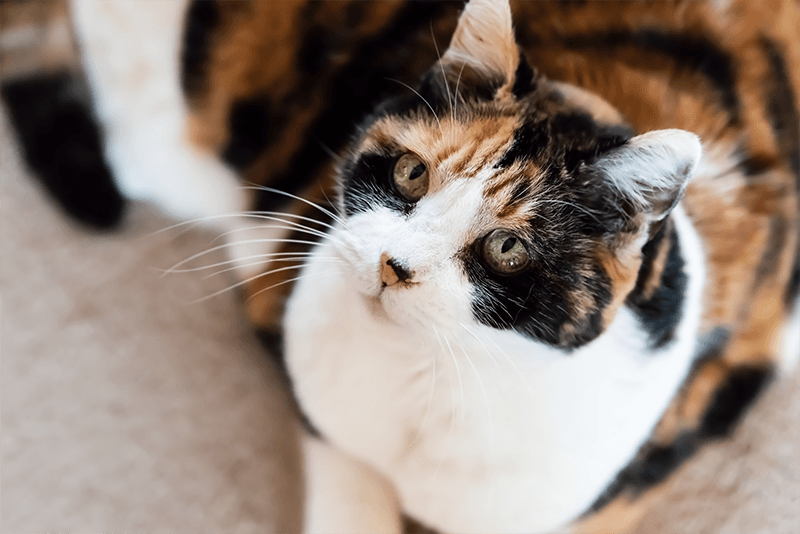
Your cat is entering its senior years, and even if it no longer jumps like it used to or sleeps a little longer, it remains a full-fledged member of your household. With a few simple and caring gestures, you can help it enjoy this phase in the best possible conditions.
Here’s what you can do at home to improve their daily comfort.
An Accessible and Secure Environment
As we age, some movements become more challenging. To spare them unnecessary effort:
Make their favorite spots (sofa, bed, window ledge, etc.) easily accessible with a ramp or small step stool.
Elevate their bowls so they don’t have to lower their head too much.
Place their litter box in a quiet, easy-to-reach spot with low edges for pain-free entry.
Keep their environment stable—senior cats dislike sudden changes. Move their belongings as little as possible.
Tailored Grooming
An older cat may groom itself less effectively, especially in hard-to-reach areas.
Brush it regularly (especially if it has long fur), using a soft brush.
Check the condition of its coat, claws, and ears.
Watch for areas of itching or mats, signs of discomfort or irritation.
A rinse-free shampoo can be handy: it refreshes the coat and skin without using water!
Nutrition Tailored to Your Age
Their nutritional needs evolve over time:
Choose a "senior" diet—easier to digest, with targeted nutrients (high-quality protein, fiber, essential fatty acids).
Monitor their weight: avoid being underweight or overweight.
Ensure they stay well-hydrated, especially if they mainly eat kibble. A water fountain can encourage them to drink more.
Finally, certain specific nutrients may prove beneficial for aging pets by helping to regulate their balance, which can sometimes be compromised.
Regular veterinary check-ups
Even if your cat seems "in great shape," regular check-ups help prevent health issues.
An annual check-up at minimum is recommended, or more if your vet advises it.
Blood or urine tests can help detect issues before symptoms appear.
Don’t wait until they’re in pain to see a vet—cats hide their discomfort very well.
Connection, Serenity, Patience
An older cat needs emotional stability as much as physical.
Give them moments of calm and presence, at their own pace.
Avoid stressful situations (new pets, moving, excessive noise).
Reassure them with gentle gestures, a calm voice, and predictable routines.
Know that there are natural solutions to help your pet cope better with unusual situations. Don’t hesitate to ask your vet for advice.
In short
Your cat doesn’t ask for much, but fully appreciates the care and comfort you provide. By adapting your home and routines, you help them age gracefully, with complete peace of mind.