
Musculoskeletal System
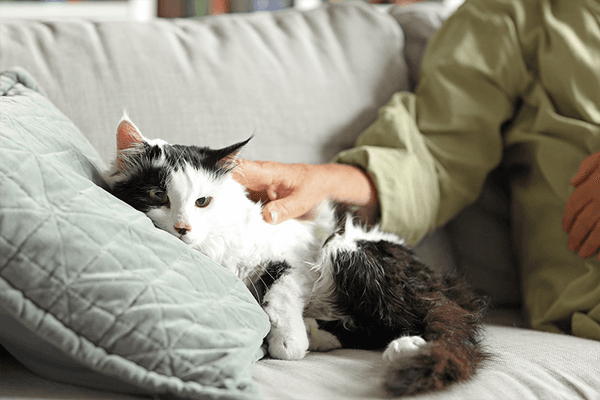
A less active cat that avoids play, jumping, or petting may be suffering from pain like arthritis, often linked to post-neutering weight gain. Increased vigilance and tailored care (diet, supplements) are key to maintaining their mobility and well-being.
As you probably already know, cats sleep a lot—especially between meals. Sleep can take up to 16 hours of their day, or even 20 hours for older cats! But when your cat seems lethargic and struggles to get up from their bed to join you, has trouble jumping onto furniture, eating, or playing, and no longer enjoys being petted, they may be unwell. You should address this as soon as possible to help them regain their good health. Cats are experts at hiding their pain, so it’s important to stay alert, especially if there’s a change in behavior. Less play and grooming, along with increased aggression when touched, are telltale signs of a cat in distress.
Identify the Causes to Understand and Soothe My Cat
The Cat Sterilization can lead to overweight or even obesity. It’s likely that, as in dogs, this excess weight contributes to joint deterioration, known as osteoarthritis. This is accompanied by Joint Inflammationoften linked to a sometimes dramatic loss of muscle mass. This Feline Osteoarthritis worsening with age, it causes joint pain leading to flexibility issues, stiffness, and a gradual decline in your companion’s strength and mobility.
Specific Needs for a Healthy Cat
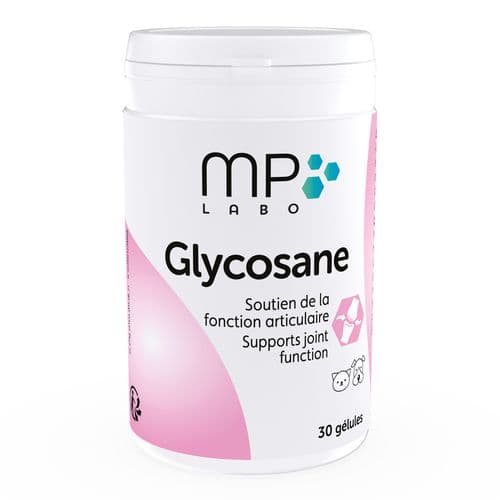
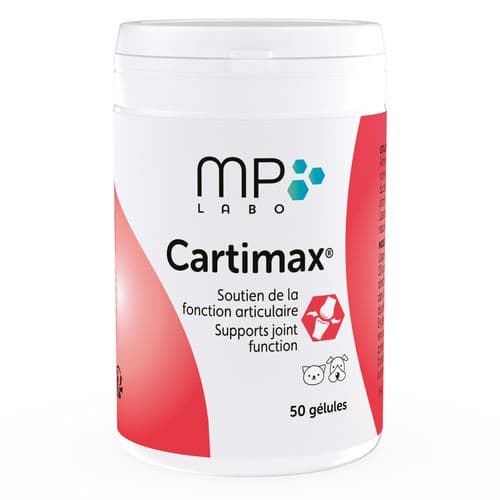
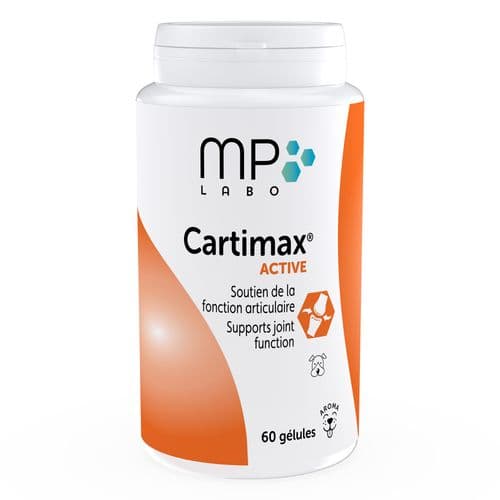
Once the causes of your cat’s pain have been identified, several solutions are available to you. If your cat is overweight, there are specially formulated foods to help them regain their ideal weight. These foods ensure their nutritional needs are met while helping them restore balance without the risk of deficiencies. If this diet doesn’t address mobility issues, and alongside any medical treatment prescribed by your veterinarian, you can provide dietary supplements in capsule form. These supplements—whether chondroprotectors, essential fatty acids, or herbal extracts—must be specifically formulated for cats. With care, consistency, and patience, your cat should soon be back to their best.