When it comes to caring for your dog’s or cat’s oral health, brushing or professional cleanings at the vet’s office often come to mind. Yet, one key aspect is sometimes overlooked: the composition of the products used. Certain natural or biomimetic ingredients provide real benefits in reducing plaque, supporting the mouth’s natural defenses, and maintaining gum comfort.
Natural Enzymes: Smart Support
Enzymes are proteins that play a key role in numerous biological reactions. Some, such as those from the peroxidase system (amyloglucosidase and glucose oxidase), occur naturally in saliva. Their purpose isn’t to "sterilize" the mouth, but rather to strengthen its natural defenses. They help limit excessive bacterial growth and maintain a healthy balance in the oral microbiome.
In practice, these enzymes help slow plaque formation by regulating bacterial activity and protecting the tooth's supporting tissues.
Bromelain: A Remarkable Enzyme
Bromelain is an enzyme naturally found in pineapple, among other sources. It acts on food residues left on teeth, reducing the matter that feeds certain bacteria. By limiting this available "food," it helps slow down plaque formation and maintain a healthier mouth.
Alongside regular hygiene, bromelain is a natural asset to help keep teeth clean.
Anti-Adhesive Polysaccharides: Limiting Bacterial Adhesion
Certain sugars known as polysaccharides, such as rhamnose or glucuronic acid, can interfere with bacterial adhesion to teeth. The result? They struggle to cling on and form the notorious biofilm, the precursor to tartar.
These polysaccharides support oral microbiota: they don’t target all bacteria, but simply help control those that could disrupt the mouth’s natural balance.
Licorice: Soothing and Protecting Gums
Renowned in herbal medicine, liquorice has anti-inflammatory and soothing properties. When used topically in oral care, it can help soothe irritated gums, modulate inflammation, and promote tissue regeneration.
It’s a true ally for pets with gums that are sensitive or weakened by plaque and tartar.
Key Ingredients to Watch: The Case of Chlorhexidine
Chlorhexidine is a widely used antiseptic in dentistry, including for animals. Highly effective at temporarily reducing bacterial load, it is not, however, ideal for daily use: studies show that regular use can disrupt the balance of the oral microbiota and even promote bacterial resistance.
For regular and long-term care, it’s best to opt for gentler, more skin-friendly solutions.
Usage Comfort: A Deciding Factor
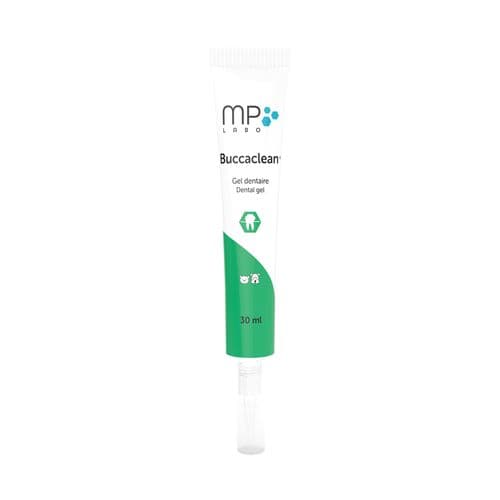
Beyond ingredients, how a product is applied makes all the difference. A dental gel with a soft-tip applicator, for instance, lets you apply the treatment directly to the gums—gently, while lightly massaging the area. This ease of use boosts owner compliance and makes the routine more enjoyable for pets.
In a nutshell
To effectively protect your pet’s mouth, opt for natural, biomimetic ingredients that work with the body’s natural defenses:
- Enzymes to support oral balance,
- Bromelain to help limit biofilm,
- Anti-adhesive polysaccharides to reduce bacterial adhesion,
- Licorice, for gum comfort.
By choosing well-formulated, easy-to-use products, you help maintain your pet’s oral health—far beyond just fighting bad breath.