Winter has arrived, and the drop in temperatures can make outings less pleasant for your pet. Here’s a recap of what you can do to protect them.
Just because it's cold doesn't mean you should rule out walks or other outdoor activities. Beyond staying active, here are some tips to help your pet brave the chill!
The Coat
It’s the perfect accessory for combining style and warmth! However, it’s best to avoid this type of protection for pets that spend most of their time outdoors—otherwise, they won’t be able to adjust the thickness of their subcutaneous fat or the density of their undercoat. Coats are therefore recommended for dogs that usually live indoors, as their fur isn’t suited to low temperatures, or for short-haired dogs or those recently groomed. Very young or elderly pets are also more sensitive to the cold, as are hairless breeds. Depending on the material you choose, this coat can also provide protection from the rain.
Cats usually hate coats and other sweaters… Too bad, admit it’s pretty adorable!
Protective Slippers and Balms
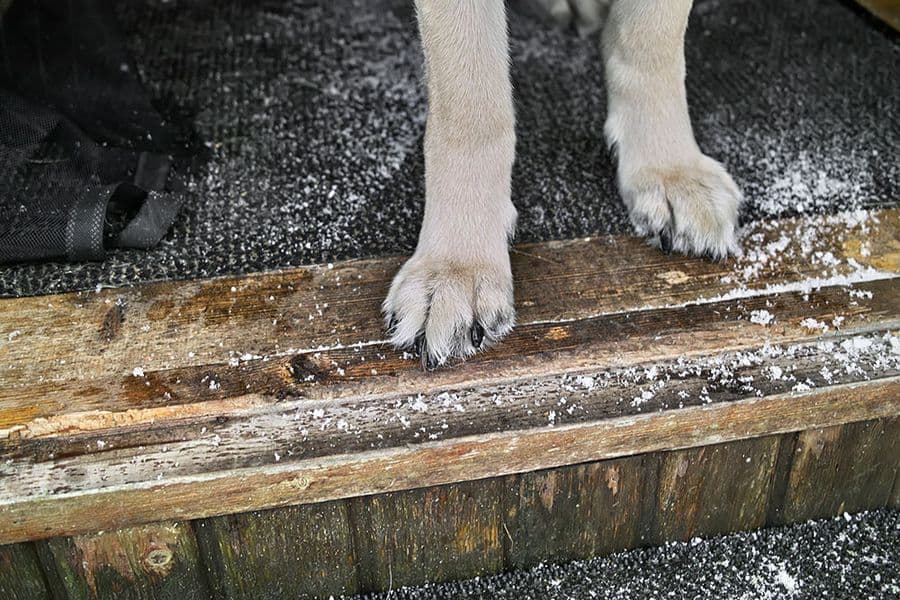
If your dog or cat seems to be tiptoeing more, it’s likely they don’t like the feeling of cold ground under their paw pads. Protecting their paws from the cold, snow, and/or ice is important for their comfort and to prevent cracks from forming. In this case, you can opt for insulated booties. Not all pets tolerate them, and you may need to try several models before your four-legged friend accepts them… There are also protective, waterproof balms, which are usually much easier to apply. Be sure to use them just before going out—they’re very greasy and could stain their paws or your couch. If needed, you can also apply it to their nose: these balms often have moisturizing properties.
Outdoor Living Spaces
If you let your pet outside alone in your garden, the ideal solution is to set up a spot where they can take shelter in case of strong winds, snow, or rain. For cats, a cat flap (why not a connected one—only your cat will be able to activate the mechanism in this case) often remains the most practical option. For dogs, a well-placed kennel (sheltered from the wind and in the sun during winter) and well-insulated is usually much appreciated.
And after the walk, how can you help them warm up?
After a walk in the rain or snowy weather, remember to wipe down your four-legged friend’s coat—it’ll help them warm up. For long-haired pets, check for clumps of ice stuck to their fur: these can cause irritation and even burns. If you spot any, make sure to remove them, using a comb for example.
Also remember to rinse their paws with lukewarm water, then dry them thoroughly. This not only helps warm them up but also lets you check for any pebbles or ice clumps lodged between their toes, or any injuries. It also removes de-icing salt spread on sidewalks and roads when temperatures drop—a salt that can irritate their skin and worsen minor cuts or scrapes. If ingested, it may also cause digestive issues.