When winter arrives, low temperatures and damp weather can affect the health of our four-legged companions. While some pets are more resilient to the cold, others may be more vulnerable—particularly small breeds, those with short coats, older animals, or those with health issues. In this article, discover practical tips to effectively protect your dog or cat from the cold and ensure their comfort during this harsh season.
Winter-Ready Nutrition
Cold weather increases animals' energy needs, especially for those spending time outdoors. For active dogs or those living primarily outside, additional caloric intake may be necessary to maintain their body temperature. Consult your vet to adjust your pet’s food portion or composition.
For indoor cats and dogs, maintaining a balanced diet is just as important. Ensure your pet always has fresh water, even in winter. Sometimes, indoor air can be drier due to heating, which may lead to mild dehydration. You can set up multiple water stations around the house to encourage your pet to drink.
Limit walks in extreme temperatures
Walks remain important for your dog’s exercise and mental stimulation, even in winter, but you may want to shorten them on the coldest days. Watch for signs of shivering or discomfort in your companion, and don’t hesitate to cut the outing short if they show signs of restlessness or trembling.
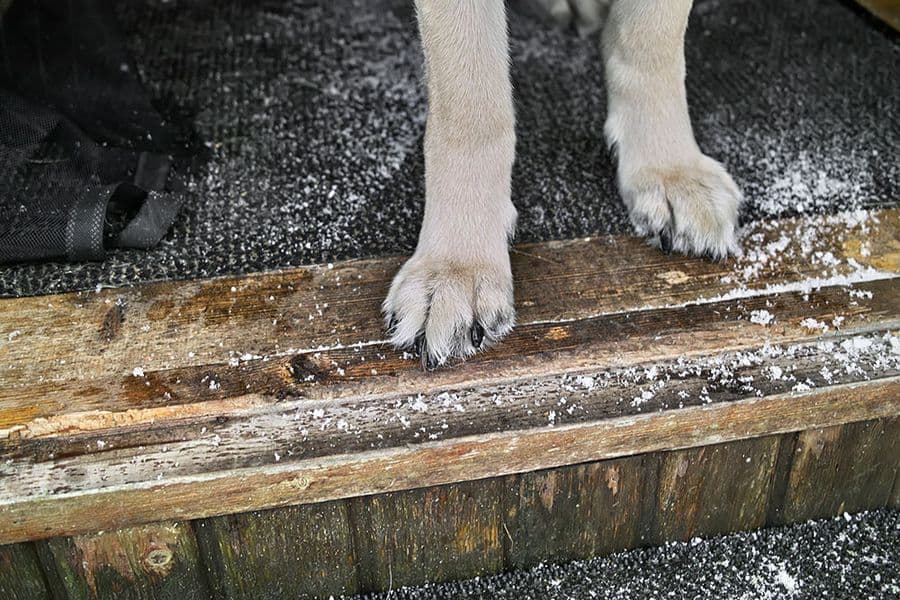
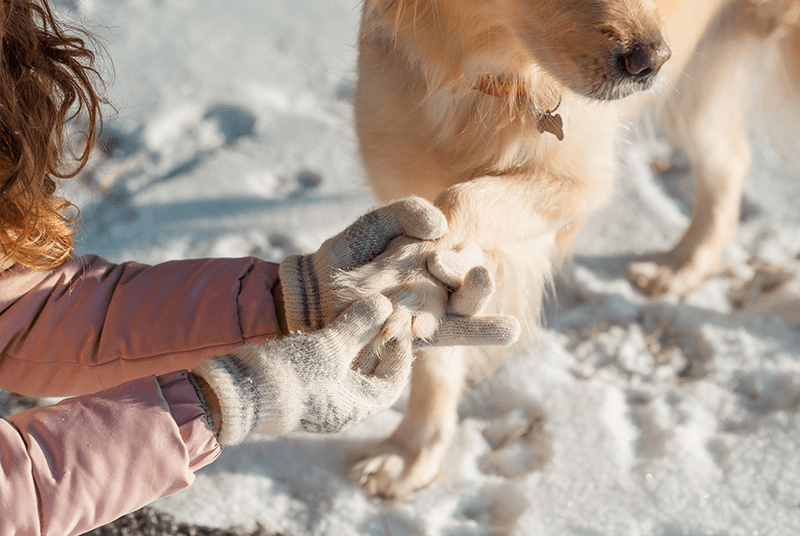
If your area uses salt for de-icing, it can irritate your dog’s paw pads. After walks, carefully clean their paws to prevent irritation from salt or snow. You can also apply a hydrating and protective balm designed for pets to shield and soothe their pads. Dog booties can be an effective solution, though not all dogs adapt to them easily.
Cold-Weather Clothing for Sensitive Dogs
Not all animals handle the cold in the same way. Breeds with fine coats (such as greyhounds, chihuahuas, or Dalmatians), as well as older or sick dogs, are more sensitive to low temperatures. For these dogs, a coat or sweater may be essential during winter walks. Choose well-fitted clothing that isn’t too tight, and ensure it covers the back and abdomen—the body parts most exposed to the cold.
Cats, on the other hand, typically tolerate clothing less well, but it’s best to limit their exposure to the cold by keeping them indoors during the harshest winter periods. Make sure your cat has several cozy spots to curl up in, and avoid letting them outside in very cold or wet weather.
A Cozy Shelter for the Cold Season
If your dog or cat spends most of their time outdoors, it’s essential to provide them with shelter that’s raised off the ground and protected from drafts. For indoor pets, make sure their bedding is kept away from doors and windows to avoid direct exposure to the cold.
Isolated beds or thickly lined baskets provide extra protection. You can add a fleece or wool blanket for optimal comfort. Floors can get especially cold in winter, so elevating your pet’s bed or placing it on a rug can also help keep them warm.
By following these simple precautions, you’ll help your dog or cat face the cold with complete peace of mind. The goal is to provide them with maximum comfort and protection during the winter months, so they can enjoy every season in top shape. Ensuring their well-being and comfort is the key to a worry-free, pleasant winter season.