One key factor not to overlook when designing a training program is undoubtedly recovery. While it is clearly tied to training load, it’s essential to know your athlete well and recognize the early signs of fatigue. Even though training-induced adaptation pushes back these limits, recovery remains vital to prevent fatigue and overtraining, reduce the risk of injury, and drive success.
The recovery period must allow all systems engaged during exercise to restructure. By the end of this phase, energy reserves must be replenished, and the body must be capable of matching its previous performance.
How to Plan Recovery Phases?
There’s clearly no absolute truth on this matter: there are as many answers as there are types of activity, factors like terrain, weather conditions, and so on—and individuals!
It’s important to keep in mind that the energy system used during physical activity plays a key role here and will require recovery periods of varying lengths.
Active Recovery and Passive Recovery
The first involves engaging in low-intensity activity. It helps "repay" the effort debt. Indeed, immediately after intense exercise or competition, cooling down allows metabolism to return to normal levels and flush out lactic acid built up in the blood and muscles, reducing fatigue and lowering the risk of cramps, muscle stiffness, and soreness. Additionally, since the muscle pump remains active, blood pooling in the extremities (lower limbs) is minimized. A gentle walk, light jog, or even a swim can be highly beneficial.
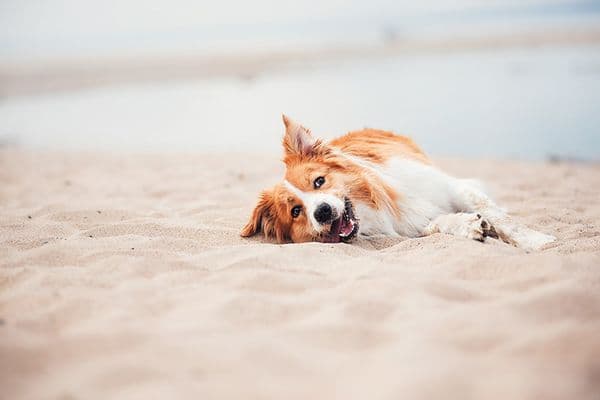
Passive recovery can take the form of a pure rest period, complete inactivity—but not just that! Massages, for instance, offer physical benefits and also help strengthen the human-animal bond. Sleep is another key factor for effective recovery.
Helping your four-legged athlete progress in their sport isn’t always easy. Don’t hesitate to consult your vet or specialized facilities, such as the Sports and Breeding Medicine Unit (UMES) at the École Nationale Vétérinaire d’Alfort.
Sources:
The Essential Guide to Sporting and Working Dogs: A Must-Have for Active Dog Owners! Co-authored by Dominique Grandjean, this book covers the key aspects of preparing your sporting dog—from nutrition, training, and behavior to preventing exercise-related illnesses.
Recovery and Overtraining: Two articles from the Institut de Recherche du Bien-Être, de la Médecine et du Sport Santé (IRBMS) website outlining the principles of effective recovery. A must-know resource for athletes and sports dog owners!