
Our four-legged companions rely on their mobility to live life to the fullest: running, playing, jumping, or even walking is part of their daily routine. Yet, some dogs may gradually lose their ease of movement. Mobility issues aren’t inevitable. Identifying risk factors early allows you to take action and give your dog an active, fulfilling life.
Age: An Inevitable Factor
Over time, dogs' joints and muscles naturally wear down. This wear and tear can lead to progressive stiffness, reducing their mobility. However, mobility issues aren’t just a concern for senior dogs—younger dogs can also be affected, particularly if they have other risk factors.
Weight: A Joint Enemy
Excess weight isn’t just a factor that worsens mobility issues—it’s also a chronic inflammatory disease that affects the entire body, including the joints. Carrying extra weight creates systemic inflammation that can speed up joint structure deterioration. Additionally, excess weight puts increased mechanical stress on limb joints, accelerating wear and limiting movement. Keeping your dog at an ideal weight is therefore essential for maintaining their joint health.
Genetics: A Predisposition in Certain Breeds
Some dog breeds are prone to mobility issues due to their morphology or genetic heritage. While this is well-known in large breeds such as Labrador Retrievers, German Shepherds, or Rottweilers, small breeds can also develop problems, particularly in the knees or back.
Physical Activity: Between Excess and Deficiency
- Lack of exercise leads to muscle loss, weakening joints and making movement more difficult.
- Excessive strain or unsuitable activities (such as repetitive jumping or intense running on hard surfaces) can cause microtrauma and accelerate joint wear.
It’s therefore essential to tailor walks to your dog’s age, size, and physical condition.
Injuries and Trauma
A past injury, such as a sprain or fracture, can have long-term effects on your dog’s mobility. Poorly healed trauma or compensatory movements adopted by the animal to avoid pain can weaken certain joints or cause muscle imbalances.
The Environment: An Often Underestimated Role
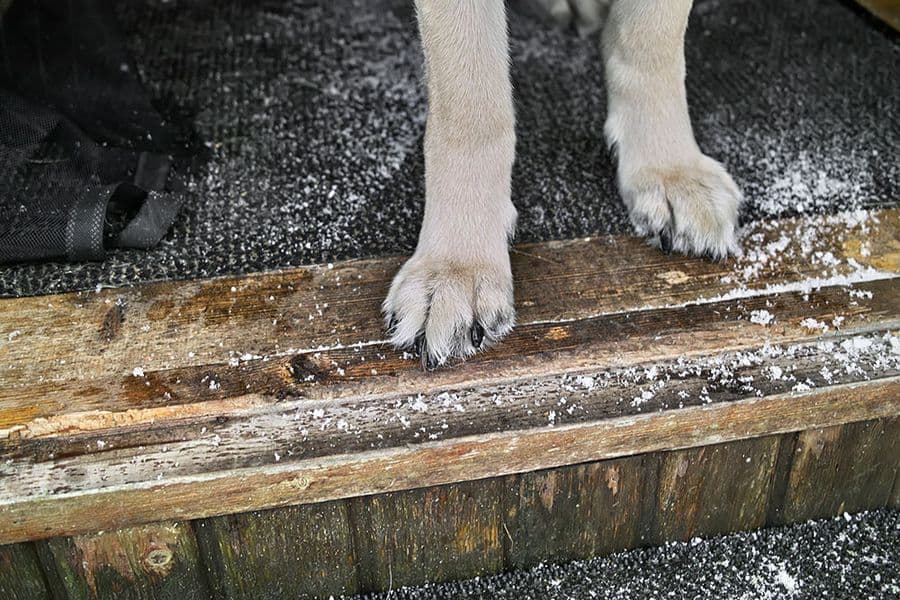
Your dog’s lifestyle and environment impact their mobility. It’s important to ensure floors aren’t slippery, they have a soft surface to lie on, and they’re protected from cold and damp. Creating a safe, comfortable space can help reduce these risks.
Nutrition: A Cornerstone for Healthy Joints
An unbalanced or poor-quality diet can deprive your dog of the essential nutrients needed for joint and muscle health. Specific supplements can support mobility.
Prevention for Better Protection
While some risk factors, such as age or genetics, cannot be controlled, many others depend directly on the care you provide your companion. Monitoring their weight, offering a tailored diet, encouraging regular physical activity, and consulting a vet at the first signs of stiffness are all essential steps to preserving their mobility.