
Skin Care
Between the cold outside and the warmth indoors, their skin has to adapt. Adequate intake of omega-3 and omega-6, combined with a few simple habits, helps them get through this period smoothly.
Autumn Skin and Coat: How Omega-3 and Omega-6 Help Your Pet Through Shedding Season
As autumn arrives, temperatures drop, heating systems kick in, and shedding reaches its peak. Your dog or cat feels these changes directly on their skin. While this is usually nothing to worry about, it’s the perfect time to give them a little support—starting with what’s in their bowl.
Why Is Your Pet’s Skin More Sensitive in Autumn?
Several changes coincide this season:
- Autumn Shedding: your pet replaces its summer coat with its winter coat. This renewal demands significant resources from its body, and its skin may feel the effects.
- Dry Heating Air: as soon as heating is turned back on, indoor air becomes drier, which tends to dry out the skin.
- Temperature Changes: moving from the cold, damp outdoors to the warmth of the living room forces the skin to constantly adapt, which can cause some itching.
- A Diet Not Always Rich Enough in Fatty Acids: some kibble does not fully meet the need for essential fatty acids, which are important for skin and coat quality.
Omega-3 and Omega-6: What Are They For?
They are called "essential" because your pet's body cannot produce them on its own: they must therefore come from its diet.
Their benefits for skin and coat are well known:
- Omega-6 fatty acids (particularly linoleic acid) play a role in skin structure and help maintain its hydration.
- Omega-3 fatty acids (notably EPA and DHA) support the skin’s natural balance and healthy appearance during seasonal changes.
- Each fatty acid is important: your pet should receive sufficient omega-3 alongside omega-6 to fully benefit from them.
Autumn Skin Care Tips for Your Pet
A few simple habits effectively complement fatty acid intake:
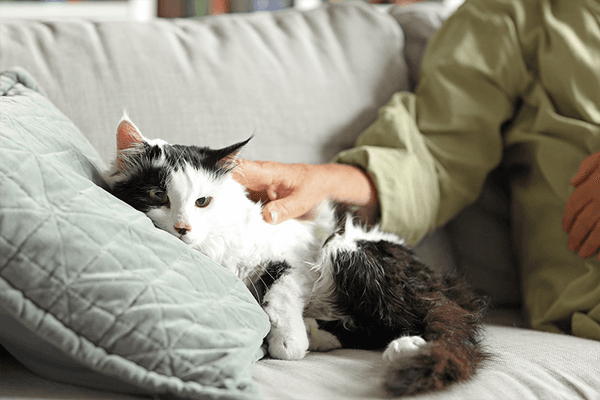
- Brush them regularly: brushing removes dead fur from shedding, stimulates the skin, and distributes natural sebum throughout the coat. It’s also a lovely moment of bonding.
- Dry them thoroughly after outings in the rain: moisture trapped between the hairs can encourage the growth of microorganisms on the skin.
- Limit baths: generally, one bath per month with a suitable shampoo is enough to maintain the natural balance of their skin.
Agepi® Omega 3 & 6: Support for Their Skin and Coat
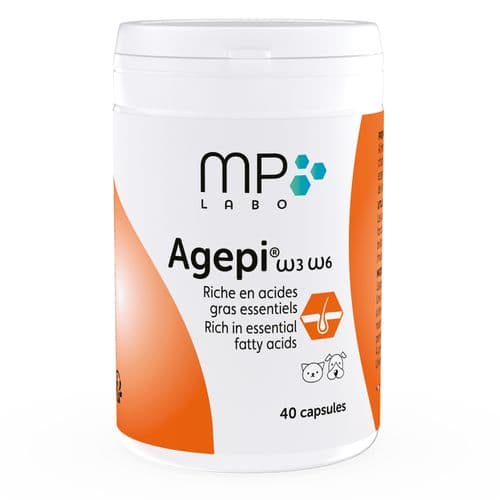
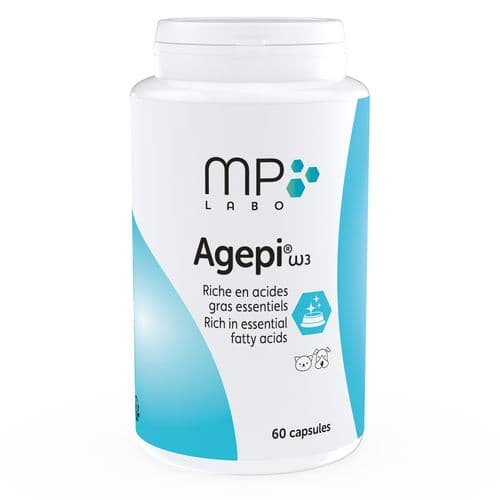
To support your pet during seasonal changes, MP Labo offers Agepi® Omega 3 & 6, a complementary feed that provides essential fatty acids from both families in tailored amounts.
- A balanced intake of omega-3 and omega-6: to help meet your pet’s essential fatty acid needs and support their skin.
- Healthy coat quality: when given regularly and for at least two consecutive months, essential fatty acids help maintain a shiny, resilient coat, especially during shedding.
- Easy to administer: it simply mixes into your dog’s or cat’s daily food.