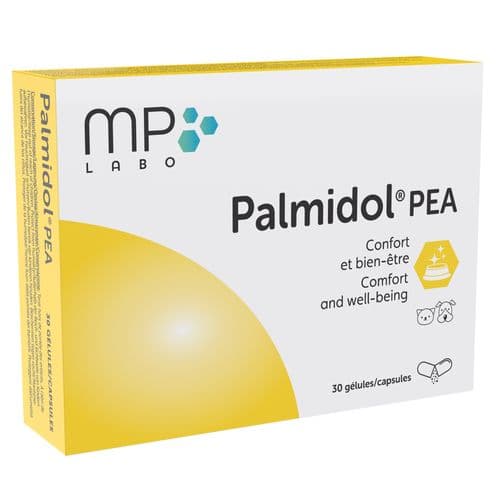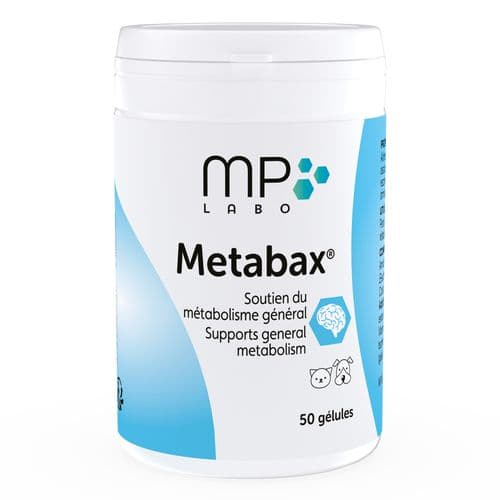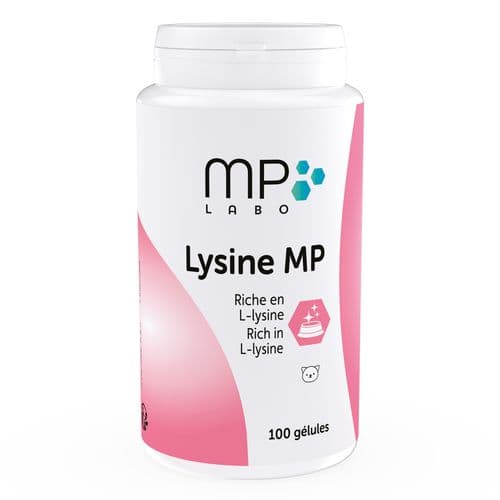

You feed your pet daily with suitable food, and to meet all their nutritional needs, their diet sometimes requires supplementation. Essential fatty acids and vitamins are complementary foods that help provide balanced nutrition. According to European regulations (Regulation (EC) 767/2009), complementary pet food is defined as food with a high content of certain substances, but which, due to its composition, only properly meets daily nutritional requirements when combined with other foods.
Your pet's essential fatty acid and/or vitamin needs vary based on several factors:
Age and physiological status:
A puppy or kitten doesn’t have the same needs as an adult or senior pet. Likewise, the needs of a pregnant female differ. While we now know—thanks to extensive scientific research—that essential fatty acids (particularly omega-3s) benefit all ages and physiological states (brain and retinal development in young animals, healthy skin and cognitive function in adults, renal and brain protection in seniors, etc.), adding vitamins or other minerals to their diet must be done with care. For instance, excessive calcium supplementation in growing young animals—a practice once common but still seen today—can lead to irreversible consequences like osteochondrosis (bone deformities), especially in large breeds.
Its conditions or concerns:
It’s important to remember that adding supplementary foods to your pet’s diet should be done thoughtfully and ideally with your vet’s approval. For instance, vitamin A appears to be a beneficial supplement for regulating sebum production and combating dandruff. However, excess vitamin A can lead to joint issues or reproductive problems.
Intensity of Their Physical Activity:
For active pets, adjusting their daily diet is clearly essential, and this adjustment can include adding supplements such as omega-3 essential fatty acids (for their ability to modulate inflammation) or antioxidants.
Her Diet:
Kibble, wet food, home-prepared meals, or even grain-free diets… The type and quality of food your four-legged friend receives will inevitably influence supplement recommendations. Discuss this with your vet.
Finally, food supplements are not subject to the same regulations as medicines. It is therefore always important to be cautious when looking to purchase them. Pay attention to several key points:
- Make sure to purchase only pet-specific products. Human supplements do not have the same concentrations or formulations, which could lead to overdosing or poisoning.
- Always read the recommendations carefully, as they may vary depending on your pet’s age or weight, for example.
- It’s also worth checking the origin and certifications of the ingredients in a supplement (such as “organic farming”).
- If you plan to buy online, be cautious. Don’t hesitate to check reviews on the website where you intend to place your order.
Keep in mind that complementary foods are typically given over extended periods (at least several weeks). So be patient before expecting to see the first results!
Finally, to determine whether your dog or cat truly needs a supplement, trust your regular veterinarian. They know your pet, their habits, and can review their diet with you to provide the best recommendations.
Sources:
Nutritional Guidelines for Complete and Complementary Pet Food for Cats and Dogs: Published annually by FEDIAF (The European Pet Food Industry Federation) and FACCO (Federation of Pet Food Manufacturers), this guide outlines the recommended nutrient levels for pet food.
All About the Nutrients That Nourish, Protect, and Heal Dogs and Cats: If you're interested in pet nutrition, this book by Prof. Dominique Grandjean is a true goldmine of information!
The Savvy Cat Owner’s Guide: Nutrition Online: This document by WSAVA (The World Small Animal Veterinary Association) offers tips for cat (or dog) owners to assess website content.