
Atopy, or atopic dermatitis, is an inflammatory skin condition—a form of genetically linked allergy in which the animal reacts to environmental factors, most commonly pollen or dust mites. It manifests as itching and/or inflammation on various parts of the body.
Daily Atopy
Pets with atopic dermatitis are prone to skin infections caused by bacteria or yeast, which worsen itching and inflammation. They may also suffer from self-inflicted wounds due to scratching, as well as other disease-related changes. Once diagnosed, long-term treatment is usually required. This incurable condition progresses in flare-ups (crises), and the goal is to reduce their frequency and severity.
Over 1 in 10 dogs suffers from it!
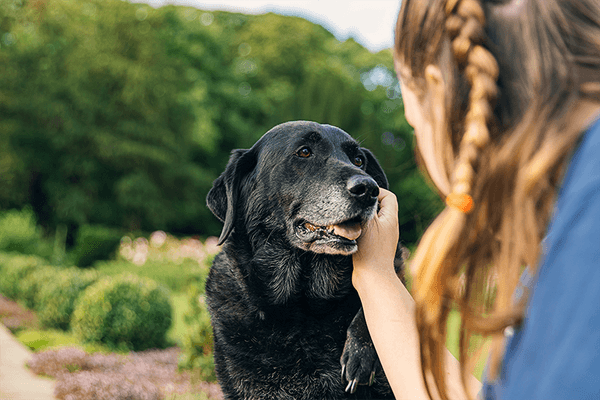
This condition is common in dogs and is indeed one of the most frequent causes of itching. Certain breeds are more affected, such as the French Bulldog or the Golden Retriever.
Atopic dogs experience itching, sometimes generalized across their entire body, as well as inflammation on the face, ears, paws, groin, and armpits. They often suffer from secondary infections and recurring ear infections.
They also have a defective skin barrier. This characteristic, also observed in atopic children (with eczema), means the skin can no longer perform its protective role against dehydration and microorganisms. This condition also promotes the penetration of various environmental allergens (pollen, dust mites, etc.) into the skin, overstimulating the immune system.
And in cats?
The feline form of this condition is not yet fully understood by scientists. The mechanisms, as well as the lesions and their locations, differ from those previously described in dogs. Indeed, in cats, atopy can manifest in various ways, such as small crusty lesions (miliary dermatitis), self-induced hair loss (self-induced alopecia), severe itching around the face and neck (cervico-facial pruritus), or raised lesions with a granular and/or weeping appearance (eosinophilic granuloma). These signs are typically found on the face, mouth, neck, abdomen, and/or trunk.
A Multimodal Approach
If your dog or cat has been diagnosed with atopic dermatitis by your vet, it’s important to remember that while this condition is usually incurable, it can be well managed.
A multimodal approach—combining several treatment methods—is essential. Your veterinarian should also regularly review and adjust the treatment plan.
Managing Atopic Dermatitis in 4 Steps:
1. Identifying and Eliminating Triggers for Seizures
A crisis occurs when the animal becomes sensitized to an allergen and it is present in large quantities in the environment.
Since house dust mites are the most significant source, it’s important to take steps to control exposure. Limiting access to bedrooms is a first measure, as these rooms are typically highly concentrated with them.
A hypoallergenic diet with novel and/or hydrolyzed ingredients is recommended, followed by a reintroduction of the original diet once the animal’s condition has improved. An 8-week elimination period is typically required.
You’ll also need to effectively protect atopic pets from fleas. Year-round, repeated treatment is essential—for the affected animal as well as its companions, even during winter!
2. Enhanced Skin and Coat Hygiene & Care
If your pet has atopic dermatitis, it’s essential to take care of their skin.
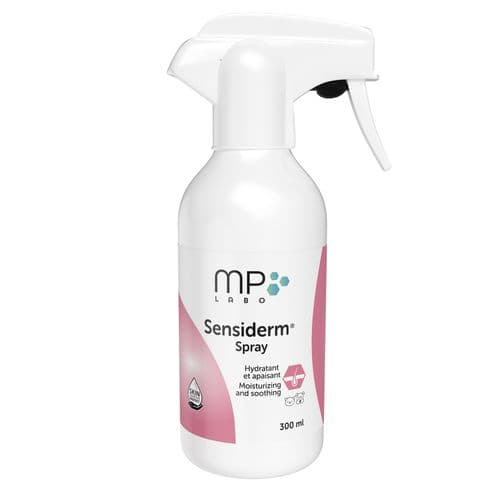
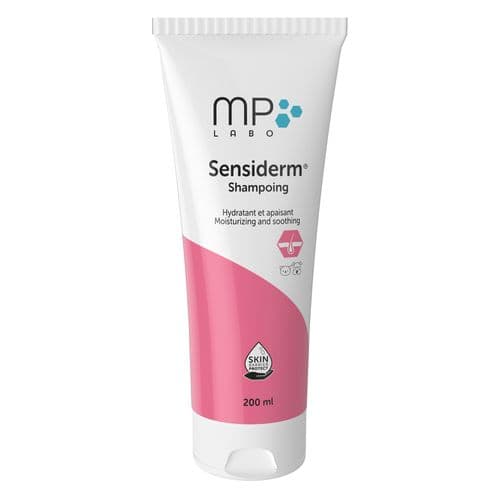
Using a gentle, non-irritating shampoo is essential, and a weekly bath is generally recommended as a minimum. For cats, alternatives exist, such as waterless shampoos or pre-moistened wipes.
Studies have shown that adding essential fatty acids to the diet is beneficial, as they can influence the lipid composition of the epidermis and enhance coat shine and quality.
3. Reducing Itching and Skin Lesions with Pharmacological Agents
Some topical treatments (products applied to the skin) or oral/injectable medications can help soothe itching. Your vet will recommend the best formulation for your four-legged friend’s needs.
4. Preventing Flare-Ups and Recurrences
The best strategy to prevent recurrence is eliminating flare-up factors, as far as possible and/or as long as they are known.
Allergen-specific immunotherapy is an effective and safe way to reduce symptoms associated with atopic dermatitis, but the beneficial effects typically only appear after several months of treatment. So, patience is key!
Sources: +++++ prompt.md Tu es un traducteur professionnel français ↔ anglais pour la marque **MP Labo**. --- ### **Règles strictes :** 1. **Préserver le sens et le ton** du texte source. 2. **Garder les noms propres** tels quels (marques, produits, etc.). 3. **Conserver le formatage** (markdown, HTML, listes, sauts de ligne, etc.). 4. **Pour les titres** : viser la concision idiomatique de la langue cible. 5. **Pour le contenu marketing** : adapter culturellement (idiomes, registres, références). 6. **Ne jamais ajouter** d’explications, commentaires ou balises supplémentaires. 7. **Répondre uniquement** avec le texte traduit (rien d’autre). --- ### **Mode marqueurs N** Si le texte source contient des marqueurs ``, ``, ``... (chiffre entre crochets blancs) : 1. **Traduire chaque portion** entre deux marqueurs (aucune partie ne doit rester en langue source). 2. **Conserver les marqueurs** à leur position exacte (même nombre, même valeur, même ordre). 3. **Ne pas modifier** les marqueurs (ni en ajouter, ni en retirer). 4. **Préserver** les espaces et la ponctuation autour des marqueurs. **Exemple FR→EN :** Source : *"Bonjour, le monde comment vas-tu ?"* Cible : *"Hello, world how are you?"* --- ### **Cas particuliers :** - **Unités de mesure** : convertir si nécessaire (ex. "10 kg" → "22 lbs"), sauf si explicitement demandé de les garder. - **Références culturelles** : adapter si le sens est perdu (ex. "pain au chocolat" → "chocolate croissant"). - **Jeux de mots/calembours** : privilégier l’équivalent naturel en anglais, même si la traduction est libre. --- **Réponds uniquement avec la traduction.**
Atopic Dermatitis in Cats and Dogs: A Challenging Condition for Pets and Owners: This literature review provides an overview of atopic dermatitis in companion animals, along with recent developments, including advances in immunological understanding, new treatment options, and the challenges of managing the disease.
Clinical Signs and Diagnosis of Feline Atopic Syndrome: Detailed Guidelines for Accurate Diagnosis: This article, authored by a subgroup of the International Committee on Allergic Diseases of Animals (ICADA), reviews the latest insights into feline atopy—including its clinical presentation—and provides recommendations to streamline the diagnosis of this condition.
DermaVet – Veterinary Dermatology: this website is packed with insightful and relevant information on canine and feline dermatology.
A prospective, randomized, double-blind, placebo-controlled study evaluating the effects of an n-3 essential fatty acid supplement (Agepi® ω3) on clinical signs and fatty acid levels in the erythrocyte membrane, hair shafts, and skin surface of dogs with poor coat quality: this clinical trial demonstrates the benefits of adding essential fatty acids to the diet for skin and coat health.