Not all dogs and cats are alike. This is obvious physically… but also dermatologically. Skin and coat vary greatly depending on breed, age, lifestyle, or environment. Some pets will need regular cleansing care, others moisturizing or antiseptic products, and still others just basic coat maintenance.
That’s why choosing a topical treatment can’t be one-size-fits-all. In this article, we’ll help you identify your companion’s specific needs and tailor their care to their unique characteristics.
Sensitive, Atopic-Prone Skin
This type of skin condition is common in dogs and is indeed one of the most frequent causes of itching. Certain breeds are more affected, such as the French Bulldog or the Golden Retriever. Dogs experience itching, sometimes generalized across the entire body, as well as redness on the face, ears, paws, groin, and armpits. They also have a compromised skin barrier: the skin can no longer fulfill its protective role against dehydration and microorganisms. This condition also facilitates the penetration of various environmental allergens (pollen, dust mites, etc.) into the skin, overstimulating the immune system.
What Skincare Routine Should You Adopt?
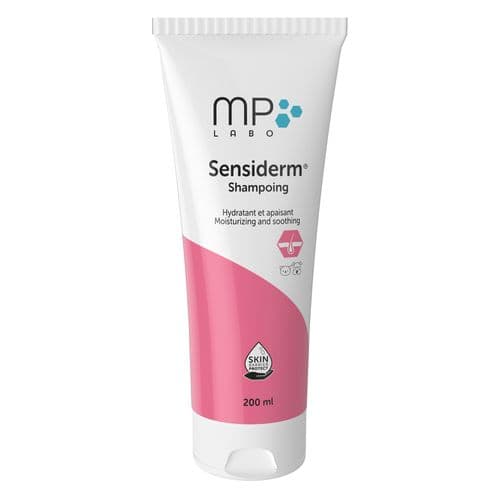
- A shampoo for cleansing the skin and removing allergens, for example. Hydrating and soothing ingredients help quickly calm your pet. Some products also contain ingredients to strengthen the skin barrier.
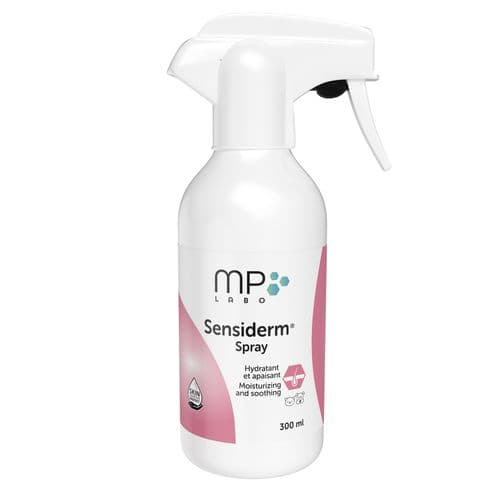
- A spray to moisturize the skin’s outer layers.
Oily, flaky skin with odors? Watch out for seborrheic dermatitis
Some breeds are prone to oily skin issues, with greasy coats, dandruff, and sometimes a strong odor. These problems may indicate seborrhea—an overproduction of sebum that can be bothersome for the pet and unpleasant for those around them.
This condition is often found in:
- the Basset Hound,
- the Cocker Spaniel,
- the West Highland White Terrier (WHWT),
- the Beagle.
What Skincare Routine Should You Follow?
A balancing shampoo formulated with keratoregulatory agents can help regulate sebum production while providing deep cleansing. It’s essential to choose a gentle, well-tolerated product that’s fragrance-free and designed for pets. Maintaining proper hydration and strengthening the skin barrier are also key to supporting the balance of oily skin.
Between baths, a rinse-free product can be very handy—like a cleansing foam or a hydrating spray. It lets you clean specific areas without wetting your pet.
Long, Thick, Tangled Hair: A Strict Grooming Routine
Long-haired breeds—like the Setter, Collie, and Afghan Hound in dogs, or the Maine Coon and Persian in cats—require frequent brushing. Without it, mats form, the skin can’t breathe, and dead hair builds up.
In cats, a lack of brushing can lead to hair ingestion and the formation of hairballs (trichobezoars) in the stomach, causing vomiting.
What Skincare Routine Should You Adopt?
- A gentle shampoo, designed for long coats, for regular use.
- A detangling spray to make brushing easier without pulling.
- A rinse-free foam for maintenance between baths, especially for less cooperative cats.
Daily Care for Expression Lines
Some breeds, like the French Bulldog, Pug, or Shar-Pei, have natural folds on their face, neck, or body. These areas are warm, moist, and poorly ventilated—a perfect breeding ground for bacteria and yeast.
Without proper care, these animals can develop infections called intertrigo, which are highly uncomfortable and even painful.
What Skincare Routine Should You Adopt?
Fragrance-free, gentle cleansing wipes are well-tolerated and make it easy to clean folds, even daily if needed. They should be soft, non-drying, and may include an antiseptic agent when necessary.
A gentle shampoo can also be used once or twice a week on your pet’s entire body to enhance their comfort.
Aging Pets: Supporting Maturing Skin
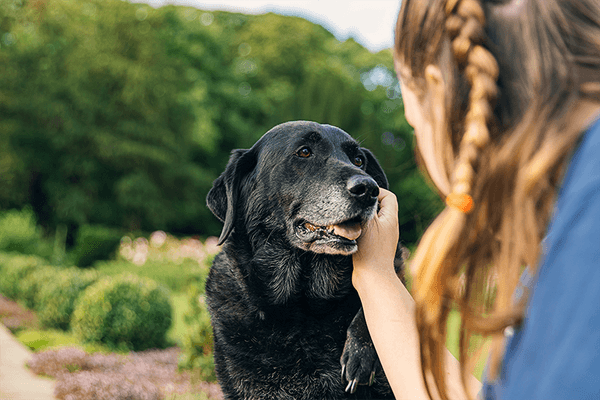
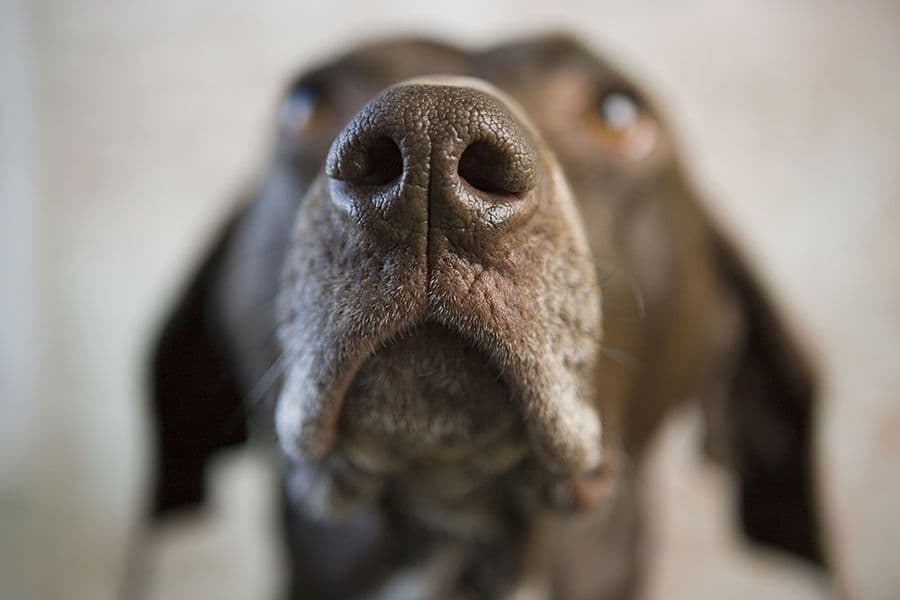
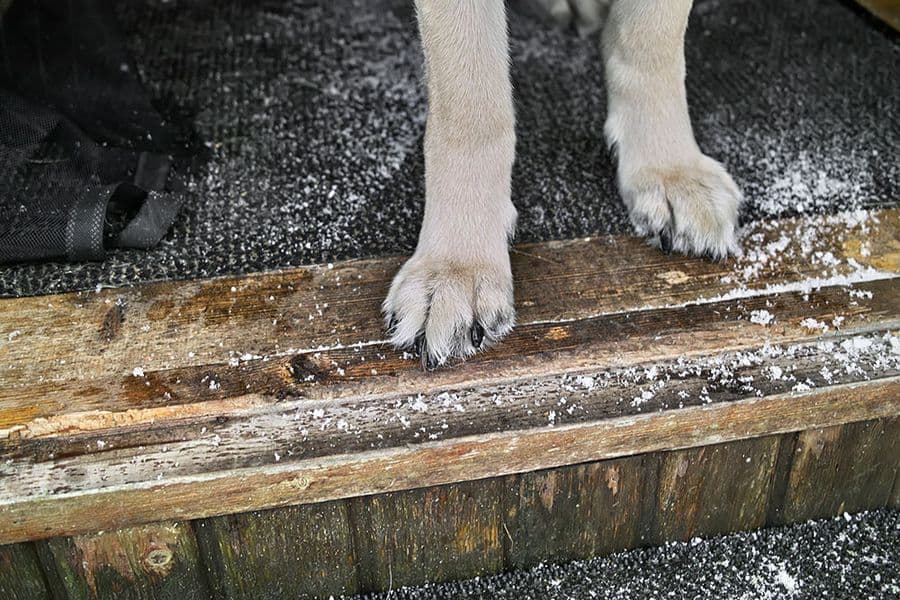
As pets age, their skin becomes thinner and drier, and their coat may lose density and shine. Paw pads, the nose, or elbows can thicken, sometimes forming calluses.
What Skincare Routine Should You Adopt?
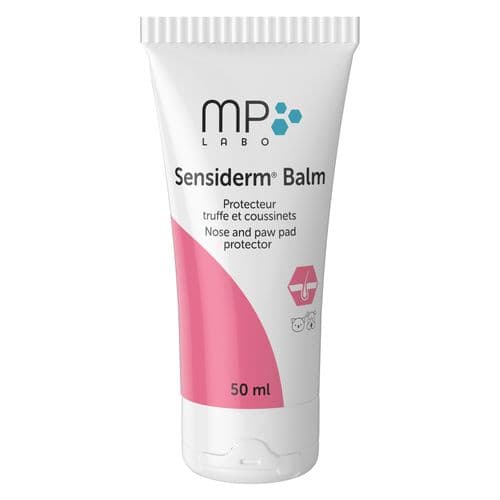
- A hydrating balm for dry or rough areas,
- A restructuring spray to nourish the skin without leaving fur greasy,
- Lipid-enriched treatments with emollients to maintain elasticity and strengthen the skin barrier.
And depending on the hair type?
Here are some guidelines for tailoring care to your pet's coat:
In short
Not all animals have the same dermatological needs. The right care takes into account breed, age, lifestyle… and even the animal’s personality. A cat that dislikes water will prefer a rinse-free foam or wipes. An active dog exposed to the elements will need more frequent protective care.
Since it’s not always easy to know which topical treatment is best for your pet, MP Labo offers a simple and practical online tool to guide you. Just select the situation that best matches your concern (itching, hair loss, dirtiness, etc.), and you’ll get a personalized recommendation for the most suitable MP Labo care product for your pet.