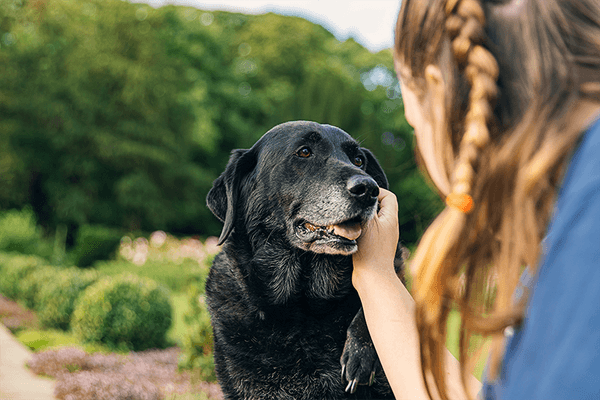
Our dogs' and cats' fur follows a very specific growth and renewal cycle. Understanding this cycle can help you properly care for their coat, which contributes to maintaining healthy skin.
The Hair Growth Cycle
The hair growth cycle consists of four distinct phases:
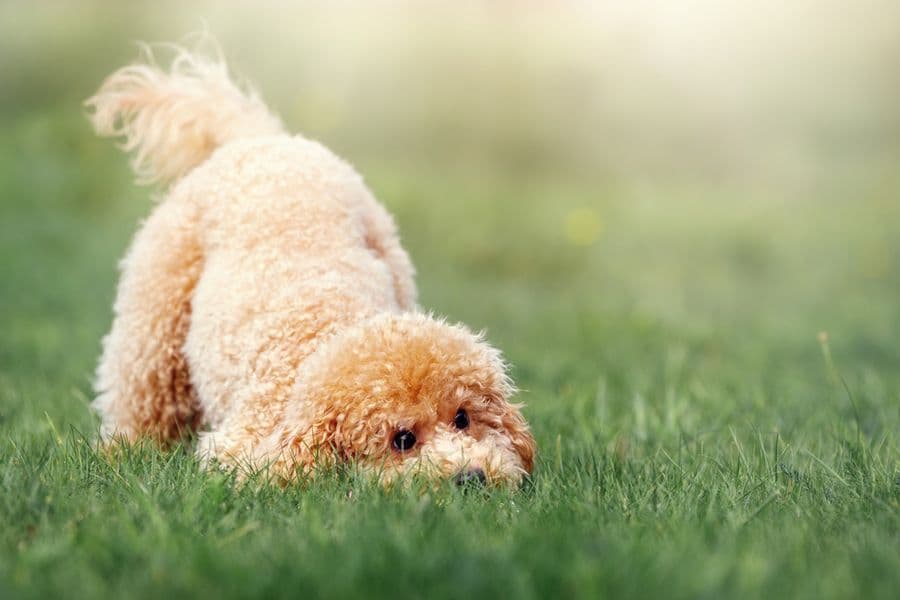
- Anagen (growth phase): this is the phase when the hair is actively growing. Its duration can vary significantly depending on breed, age, health, and other environmental factors. For some breeds, like the Poodle, this phase can last several months, while for others, it may be much shorter.
- Catagen (transition phase): during this brief phase, hair growth slows and eventually stops. The hair follicle prepares to enter the resting phase.
- Telogen (resting phase): the hair is inactive, no longer growing but still attached to the follicle. This phase can last from several weeks to several months.
- Exogen (shedding phase): the hair is released from the follicle and falls out. This process allows a new hair to begin growing and restart the cycle.
Factors Affecting the Hair Growth Cycle
Several factors can influence hair cycle duration and regularity:
- The Seasons: Seasonal changes have a significant impact on the hair growth cycle, particularly in animals living outdoors or those exposed to natural light. In autumn and spring, many dogs and cats shed more heavily to adapt their coat to temperature shifts.
- Light: The duration of light exposure affects hormone production that regulates the hair growth cycle. Animals exposed to artificial lighting may experience disrupted coat cycles.
- Nutrition: A balanced diet rich in essential nutrients, such as omega-3 and omega-6 fatty acids, is crucial for coat health.
- Health: Conditions like hormonal imbalances, allergies, or infections can affect the hair growth cycle.
Coat Maintenance
As a pet owner, it’s important to maintain a regular grooming routine to help manage shedding and keep your pet’s coat healthy. Here are some tips:
- Regular brushing: brushing your pet’s coat regularly removes dead hair and prevents matting, especially in long-haired breeds.
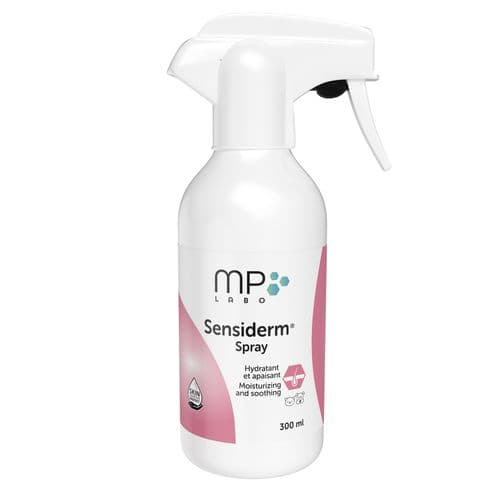
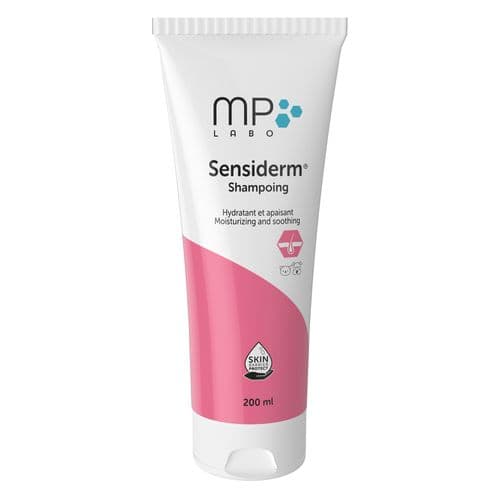
- Cleaning the coat and skin: bathing with a suitable shampoo deeply cleanses the coat and skin. For healthy skin, a gentle shampoo with lipo-proteins is ideal. Unless recommended by your vet, there’s no need to bathe your pet every week!
Looking for tips on how to properly wash your dog’s coat? This should interest you!
If you notice excessive hair loss, red skin, dandruff, or if your pet shows signs of itching or a strong odor, it’s important to consult a veterinarian.