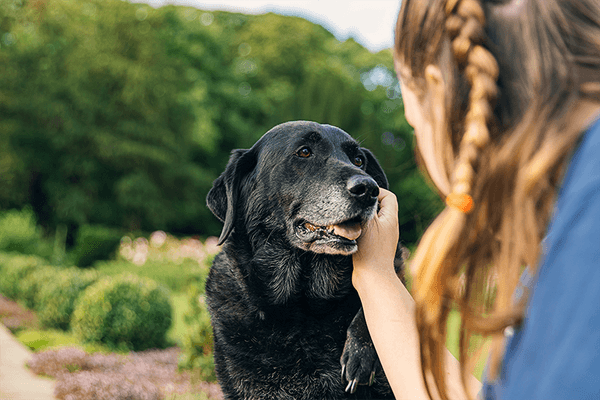
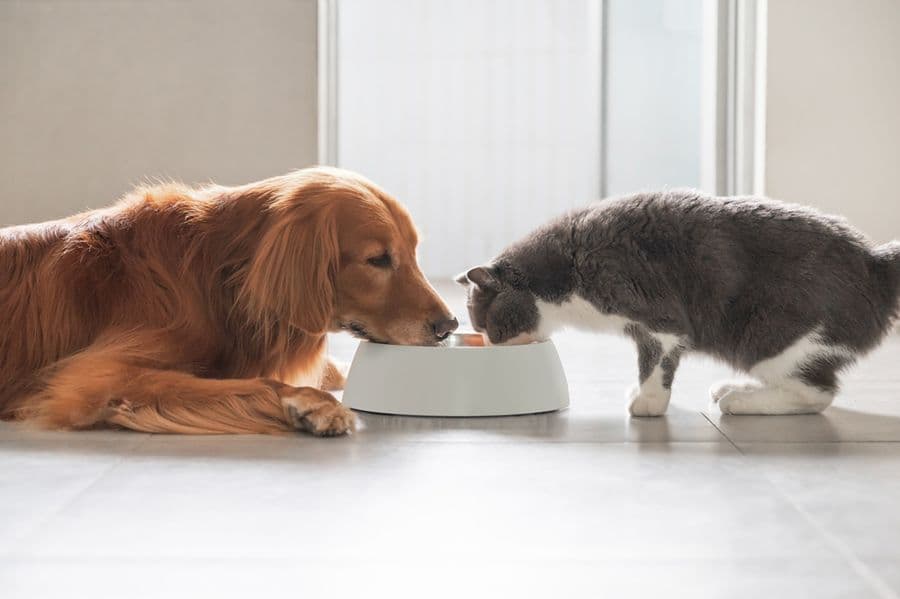
Diet plays a crucial role in the health and well-being of your four-legged companion. Beyond providing essential nutrients, food—whether dry, wet, raw, or homemade—directly shapes the composition and balance of the gut microbiota.
Thus, it is essential to choose a balanced diet tailored to your pet’s specific needs. This approach supports microbiome vitality and helps maintain optimal digestive balance, which positively impacts overall health.
- Prebiotics : these are non-digestible compounds that feed the good bacteria in the gut. They promote the selective growth of beneficial bacteria, such as bifidobacteria and lactobacilli, helping to maintain a healthy and diverse microbiota. There are different types of prebiotics—certain carbohydrates and fibers can play this role. You may find them listed as Fructo-Oligosaccharides (FOS), Mannan-Oligosaccharides (MOS), and β-glucans, among others. Additionally, fermentable dietary fibers, in appropriate amounts, support the growth of beneficial bacteria in the colon, improve digestive regularity, and reduce the risk of constipation. Foods containing natural prebiotics, such as vegetables, fruits, and whole grains, can benefit your pet’s digestive health.
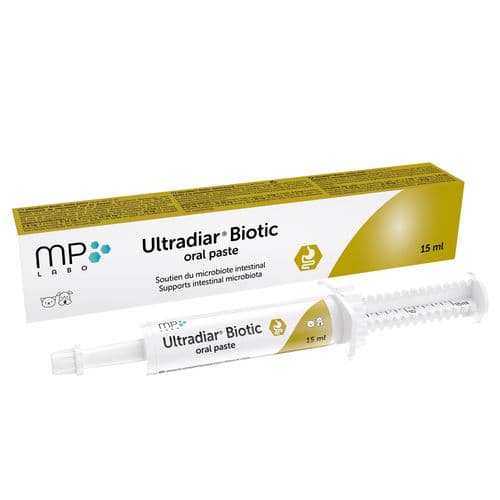
- Probiotics : these are live microorganisms that, when consumed in adequate amounts, provide health benefits to the host. Some commercial pet foods contain added probiotics, while others may be given as supplements. Probiotics help restore gut microbiota balance after disruptions, such as illness, antibiotic treatment, or sudden dietary changes. They can also help reduce symptoms of digestive issues like diarrhea and bloating.
Just as some foods support gut health, others can have a negative impact. Choose high-quality foods, formulated with natural and balanced ingredients to meet your dog’s or cat’s nutritional needs. Avoid human food, which is often high in added sugars, additives, or spices—consumed in large amounts, these can disrupt the gut microbiome’s balance.
In conclusion, diet plays a key role in maintaining the gut microbiome health of dogs and cats. By choosing foods that are well-balanced with varied fiber sources and functions, prebiotics, and probiotics, you help support a balanced microbiome—promoting better digestive health, stronger natural defenses, and overall well-being for your pet. Always consult your veterinarian for tailored recommendations on the best diet for your dog or cat.