Creating a Well-Being-Friendly Environment for Four-Legged Companions Is Essential. A proper environment goes beyond providing food and water; it includes physical space, mental stimulation, and social interactions. Here’s how different aspects of the environment can impact your pets’ well-being.
Physical Space
The space your pet lives in plays a major role in their well-being. For dogs, having enough room to move freely is essential. Large dogs, in particular, need space to run and burn off energy. A garden or nearby park can provide this much-needed extra space.
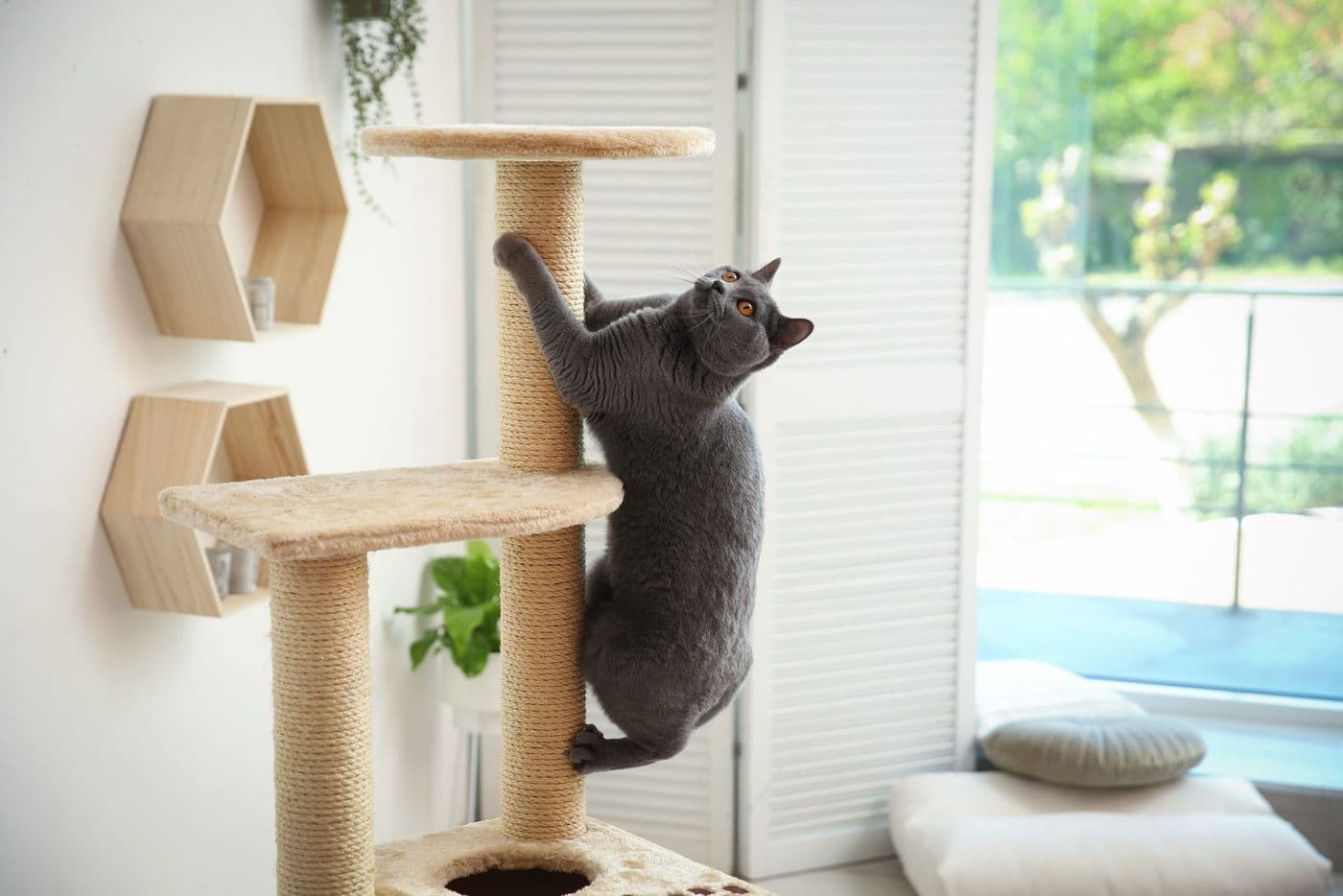
For cats, vertical space is just as important as horizontal space. Cats love to climb and observe their surroundings from heights. Installing cat trees, wall shelves, and perches can help enrich their environment and reduce stress.
Mental Stimuli
Dogs and cats need mental stimulation to stay happy and healthy. Puzzle games, interactive toys, and training sessions are excellent ways to engage your pets' minds. For dogs, learning new tricks or playing search games can help keep them mentally active. For cats, toys that mimic hunting, like feather wands, can provide valuable mental stimulation.
Social Interactions
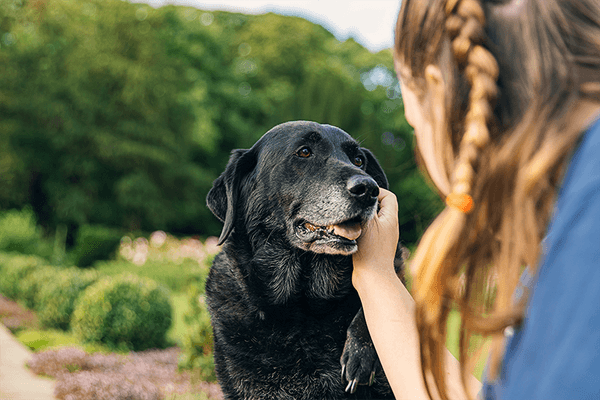
Social interactions are fundamental to the well-being of dogs and cats. As pack animals, dogs thrive on human and canine companionship. Spending time with your dog—whether through play, walks, or simply being present—strengthens your bond and enhances their well-being.
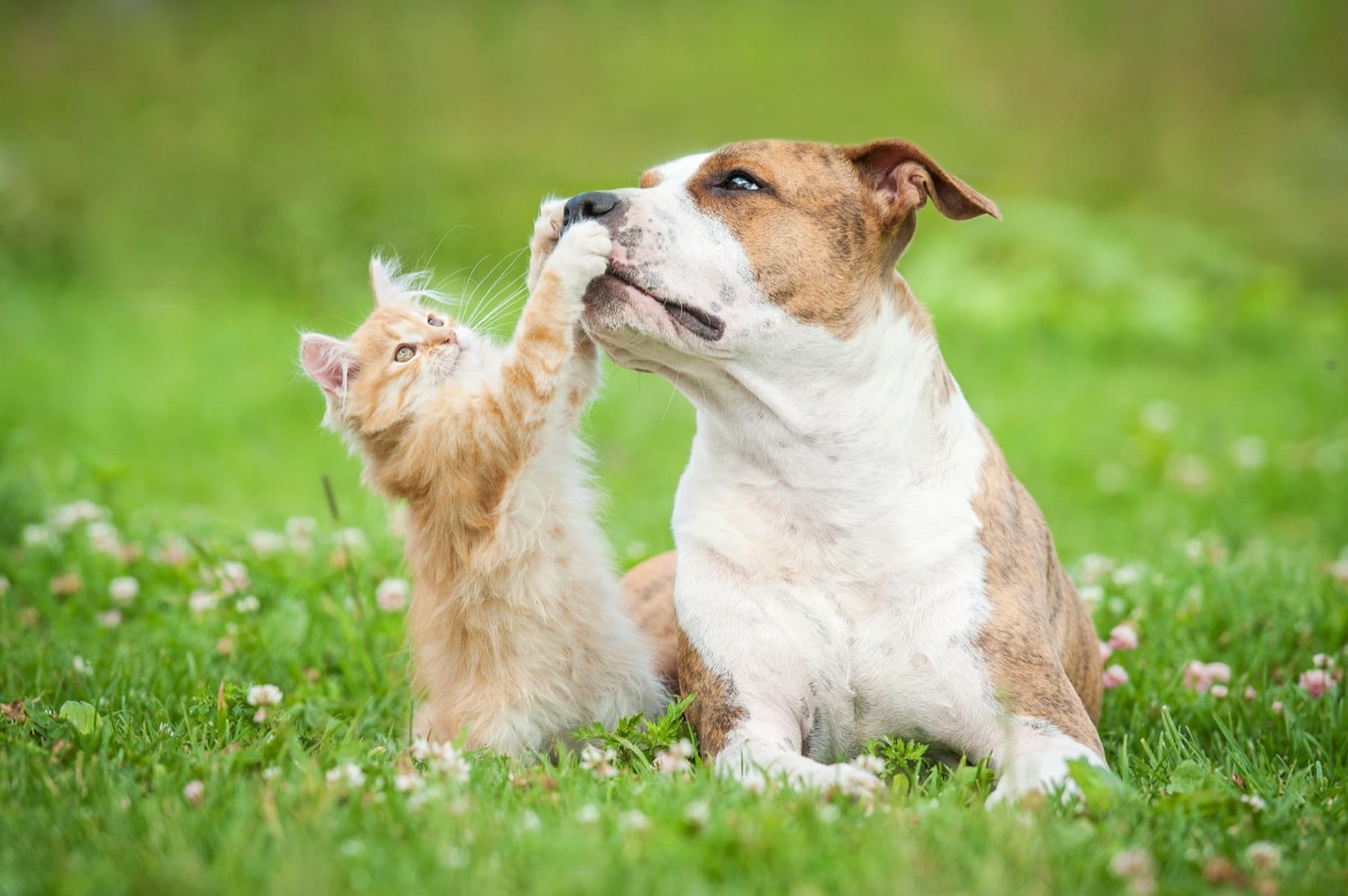
While cats are often seen as more independent, they also need socialization. Interactive playtime and cuddles can greatly enhance their well-being. However, each cat has a different tolerance level for interaction, so it’s important to respect their boundaries.
The Sensory Environment
The sensory environment, including sounds, smells, and lighting, affects your animals' well-being. They have keen hearing and can be disturbed by loud or constant noises. Creating a quiet space where they can retreat is essential.
Environmental Enrichment
Environmental enrichment involves introducing elements that encourage natural behaviors. For dogs, this can include chew toys, fetch balls, and agility courses. For cats, enrichment may include scratching posts, hiding spots, and hunting toys.
Routine and Predictability
Dogs and cats thrive on predictable routines. Regular schedules for meals, walks, and playtime create a sense of security. Sudden changes can cause stress, so it’s best to introduce any new routine gradually.
The Importance of Cleanliness
A clean environment is essential for your pets' physical and mental well-being. Dogs and cats thrive in a clean space to rest and play. For cats, litter box cleanliness is especially crucial—a dirty litter box can lead to behavioral issues like inappropriate elimination.
Safety
Safety is a priority in your pets' environment. Make sure your home is free from potential hazards like toxic plants, small objects that can be swallowed, and household chemicals. For indoor cats, securing windows and balconies is crucial to prevent falls.
Your dogs' and cats' well-being is closely tied to the quality of their environment. By providing a suitable space, mental stimulation, social interactions, and a pleasant sensory environment, you help support their physical and mental health. Enriching their daily lives and respecting their individual needs will help maintain a harmonious home where your pets feel happy and fulfilled. Investing time and effort into creating an environment that promotes your furry companions' well-being is one of the best ways to show how much you care.