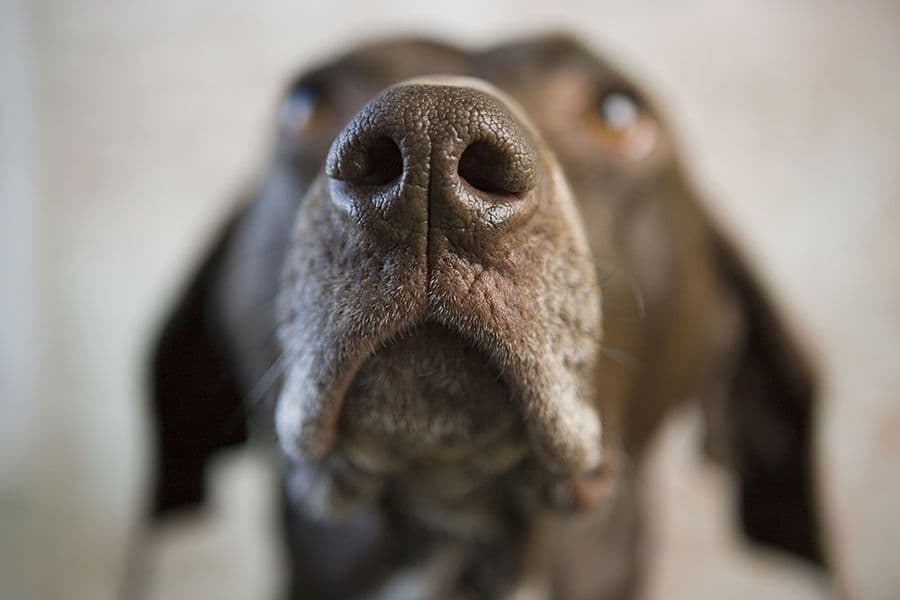

Your dog’s and cat’s respiratory system is a complex structure made up of various organs and tissues that enable breathing and blood oxygenation. Through precise, harmonious function, it helps keep your pet healthy. This article explores the different stages of this process and helps you better understand the potential causes and effects of respiratory disorders.
How Does the Respiratory System Work?
The respiratory system is divided into two main parts: the upper respiratory tract and the lower respiratory tract. The upper tract includes the nostrils, nasal cavities, pharynx, and larynx, while the lower tract comprises the trachea, bronchi, and lungs. During inhalation, oxygen-rich air enters through the nostrils, where it is warmed and humidified as it passes through the nasal cavities. It then travels down the trachea and bronchi to reach the pulmonary alveoli, where gas exchange with the blood occurs. During exhalation, carbon dioxide—a metabolic waste product—is expelled from the body.
This constant mechanism is essential to supply all organs with oxygen and maintain their proper functioning.
Why Is Monitoring My Pet’s Breathing Important?
Abnormal breathing—too fast, too slow, or labored—can signal a health issue. Since animals can’t express discomfort like humans, it’s crucial to watch for signs such as:
- a persistent cough,
- respiratory noises (wheezing, snoring),
- shortness of breath or labored breathing at rest.
These symptoms may indicate a respiratory condition requiring prompt medical attention.
Certain breeds, such as brachycephalic dogs (bulldogs, Pekingese) or some flat-faced cats, are more prone to these disorders.
Key Causes of Respiratory Disorders
Respiratory Issues in Dogs and Cats: Many Possible Causes
- Infectious Causes: viruses, such as those responsible for feline coryza, or bacteria, can colonize the respiratory tract lining and cause lesions.
- Allergens and Irritants: pollen, dust, mold, or even harsh cleaning products can irritate your pet’s respiratory system.
- Parasites: certain parasites, like lungworms, can infest the lungs and impair breathing.
- Chronic Conditions: conditions such as feline asthma or chronic bronchitis in dogs require monitoring and tailored treatment.
- Pollution and Smoke: prolonged exposure to polluted air or cigarette or fireplace smoke can weaken the lungs and airways.
How to Protect Your Pet’s Respiratory System?
To help reduce respiratory issues, a few simple steps can make all the difference:
- Ensure good indoor air quality by ventilating regularly and limiting irritating chemical products,
- avoid smoking around your pet or exposing them to smoky environments,
- adapt their surroundings: if allergies are present, clean their living spaces frequently,
- consult your veterinarian at the first sign of unusual symptoms for prompt care.
Also, vaccines exist to protect against certain respiratory diseases in dogs and cats. Talk to your vet about them.