Here we go… He’s finally home! He’s slowly getting used to his new surroundings, and if you haven’t thought about it yet, now’s the time to book his first vet appointment. When should it take place? Why is it so important? Is there anything to prepare beforehand?
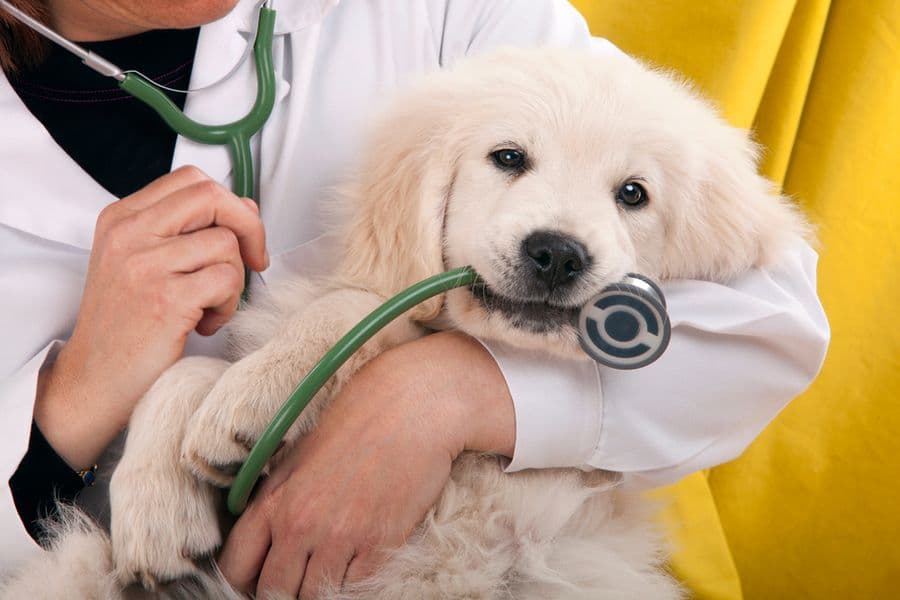
The first check-up after welcoming your new puppy or kitten should take place shortly after their arrival, though it’s best to allow a few days for them to settle in. Beyond the initial meeting with your vet—your pet’s family doctor—this visit is crucial for several reasons:
- It helps ensure your furball is in perfect health;
- When purchasing, it confirms the animal isn’t affected by a condition classified as a redhibitory defect;
Six diseases in dogs and four in cats are classified as redhibitory defects. These may be hereditary or contagious in origin. If your vet detects or suspects one of them in the days following your purchase, you can cancel the sale and seek recourse from the seller.
- During this consultation, your vet will provide the latest recommendations on vaccination protocols and parasite prevention, tailored to your new four-legged companion’s lifestyle and medical history.
- It’s the perfect opportunity to get plenty of advice on their training, setting up their new home (especially if you’re welcoming a kitten into an apartment), their diet, the care they need, and more—from your vet and their veterinary nurse!
At the end of this consultation, you can also schedule future appointments for vaccine boosters or the puberty check-up, which takes place around 5-6 months of age. This consultation provides an opportunity to discuss and decide on a potential spaying or neutering of your pet.
Preparing for Your Move and Visit
Even if the clinic is likely not far from your home, it can feel like a real expedition for your new pet. Don’t forget to get all the necessary travel gear—a collar or harness and leash for your puppy, and a carrier for your kitten. If your pet seems highly stressed, talk to your vet. Solutions are available.
First consultations are typically very informative, so it may be helpful to jot down in your pet’s vaccination record beforehand which food your pet eats, how many meals they have per day, how often they relieve themselves, and the consistency of their stools—along with anything else that may have caught your attention. Don’t hesitate to note down any questions you have as well! The person who sold or gave you the animal should have provided a record book, which includes their identification number (identification is mandatory before any gift or sale) and the labels from their first vaccinations, if these have already been administered (the first injection is usually given at around 2 months old).
Sources:
Dog and cat identification is mandatory: this website, set up by the Ministry of Agriculture and Food and I-CAD (Domestic Carnivore Identification), provides all the information you need to understand why identifying your pet—using a microchip or tattoo—is both useful and essential.
Pet Owner Resources: Find AAHA’s expert guidelines on this page.