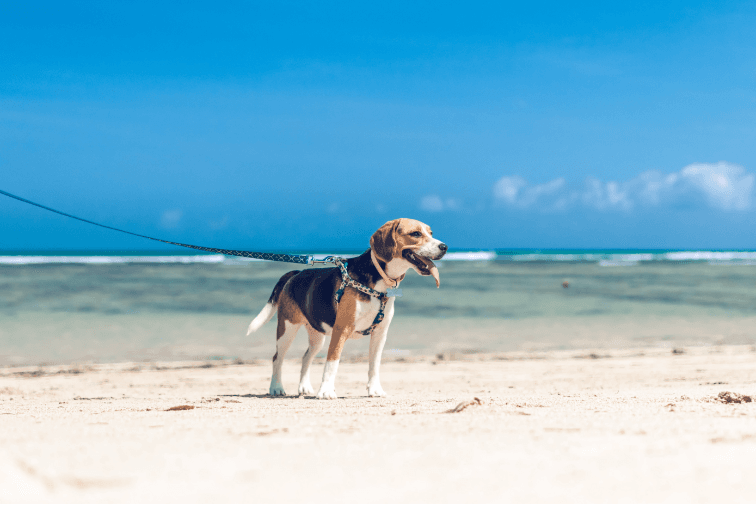
Is your pet overweight? If you're motivated to help them slim down, here are some tips to make it happen.
The Walk
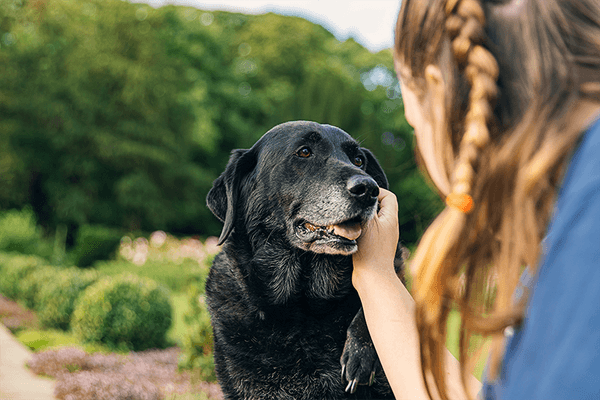
The key when exercising your dog isn’t the time you spend but consistency. A 2-hour outing every weekend isn’t worth a 20-minute walk every day! To build (or rebuild) this habit, start with a 5-minute walk in the morning, at noon, and in the evening—or 7 minutes in the morning and evening. Increase your walk time by 2 minutes each week.
Of course, the length of your walk depends entirely on you, but a total of 30 minutes per day is a good minimum to aim for. Some dog breeds may need more time—Jack Russells and Australian Shepherds, for example—so pay attention to their needs!
By gradually increasing your walk times, your pet should have no trouble keeping up with you. The only thing that could prevent this would be a medical reason, such as joint pain, a heart condition, or respiratory issues. If that’s the case, don’t hesitate to discuss it with your vet and adjust accordingly.
At Home
When walks aren't an option, other activities are. At home, plenty of little games can get your dog or cat moving.
First, you can hide one of their favorite toys. The first time, it’s important to show them where you’re hiding it so your companion understands the point of the game. Then, step a few meters away and ask them to follow you. Next, encourage them to find the treasure. After a few tries, your four-legged friend should get the hang of it. If needed, you can use food—a kibble, for example—or a low-calorie reward… But remember, the goal is to help them lose weight!
Mental exercise is also a great way to help your dog get back in shape. You can teach them basic tricks like "sit," "down," "paw," or "stay." If you haven’t trained them yet, now’s the time! It’s never too late—especially since your pet will likely be highly motivated by their reward, whatever it may be.
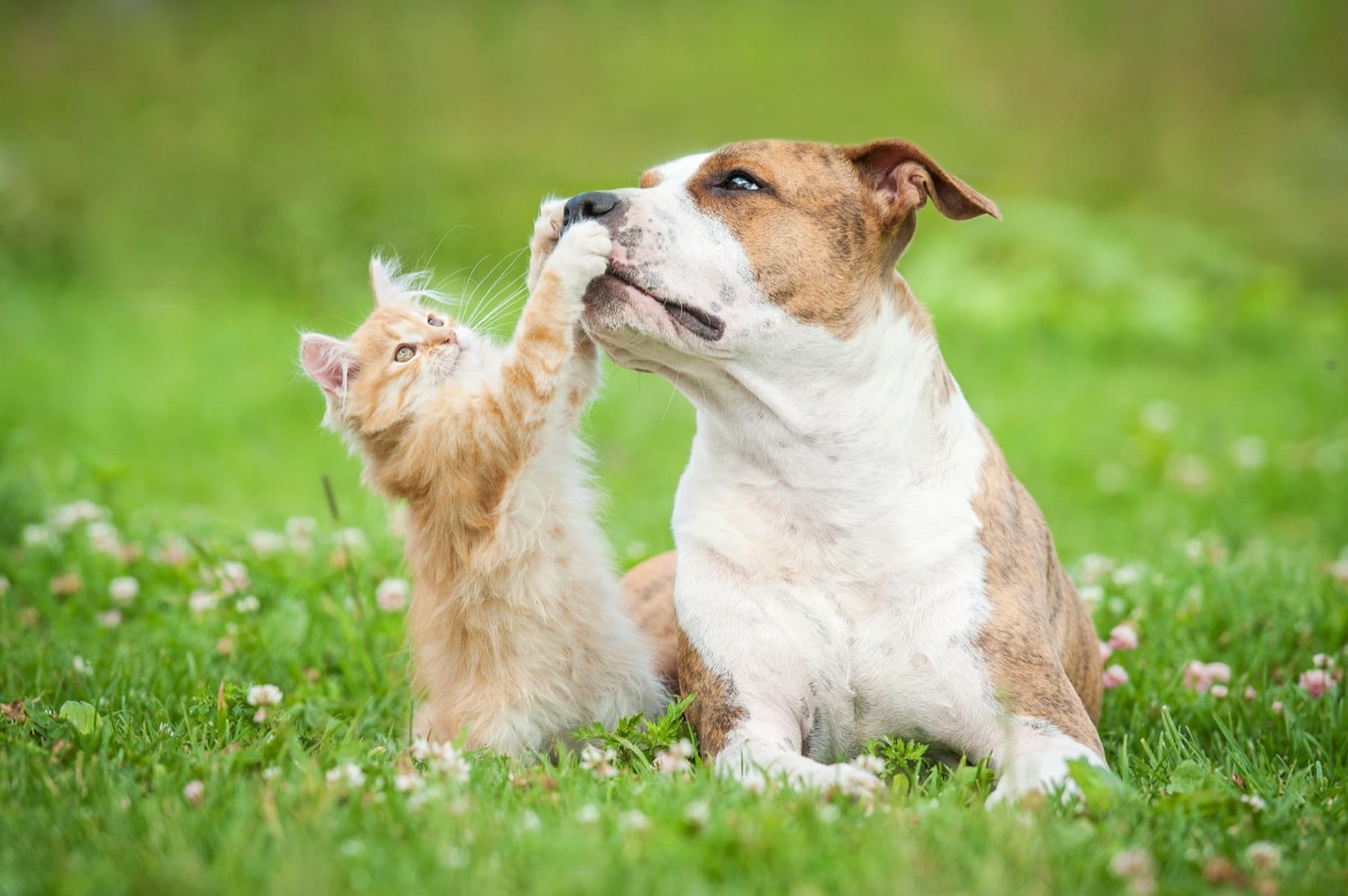
There are plenty of fun activities to stimulate your pet daily—tossing a toy, entertaining your cat with a small laser, and more. You can also teach your pet all sorts of tricks, like “spin,” “speak,” or “play dead.” The possibilities are endless, limited only by you and your imagination. Believe it or not, your pet burns calories when practicing obedience. Plus, they might even enjoy it—many dogs love this kind of activity. Added bonus: it’ll strengthen your bond.
The Reward
Rewarding with food is a good thing, but it should be used as a last resort! Opt for non-food rewards like toys, petting, a gentle tone of voice, a whistle, or even a clicker—the goal is to associate their good behavior with something positive!
If you want to use a treat, opt for high-protein, low-fat options.