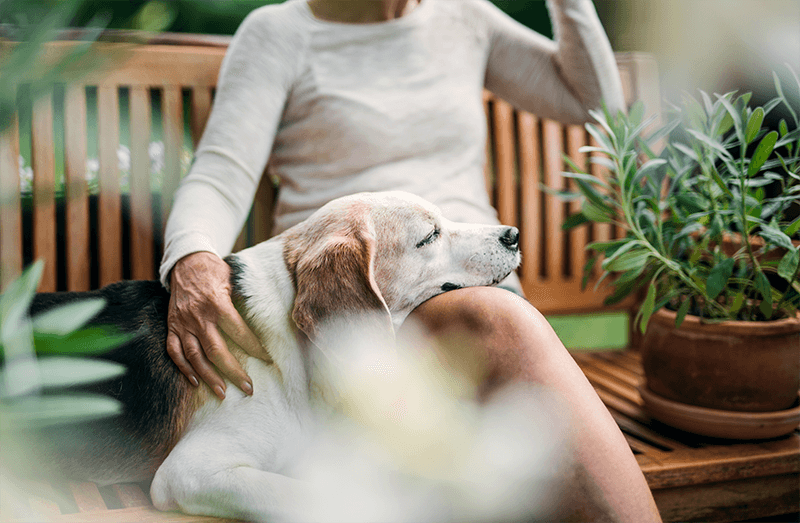
Just like humans, animals go through different stages of life, and one day, they reach what’s known as their “senior” years. But what does this really mean for our four-legged companions? Understanding the age-related changes in your dog or cat is key to supporting them through this phase and ensuring they enjoy a great quality of life.
When Does a Pet Become a Senior?
The definition of a senior pet depends on several factors, including species and size. Generally, an animal is considered to reach the equivalent of 60 human years when entering this phase. In dogs, for example, small breeds—under 10 kg—are often classified as seniors from 11 years old, while large breeds—over 40 kg—reach this stage earlier, around 7 years old. In cats, senior status typically begins at 10 years old, though some breeds may show signs of aging as early as 7.
Every animal is unique, and it’s important to observe the specific signs of aging to tailor their care.
Signs of Aging in Your Pet
Age-related changes in animals manifest in various ways, but some signs are more common. Here’s what to watch for:
- Low Energy Levels: Your pet may seem less active, tire more quickly, and be less inclined to play or go for walks.
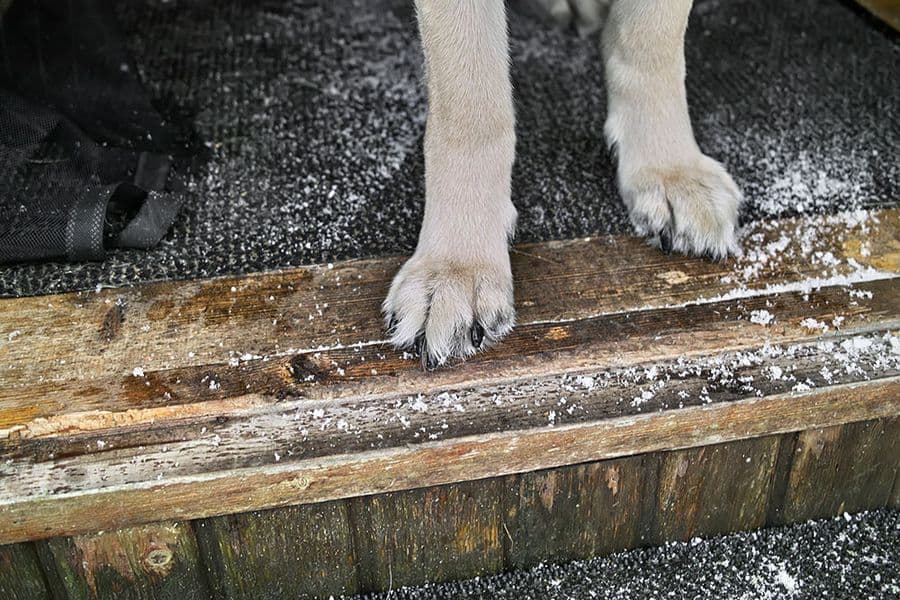
- Joint Issues: Joint pain, often overlooked in small breeds and cats, can make movement difficult. Additionally, muscle loss may set in gradually, especially if your pet becomes less active. This can lead to weakness and further mobility challenges.
- Changes in Eating Habits: Your pet may lose their appetite, struggle to eat, or, conversely, gain weight due to reduced activity.
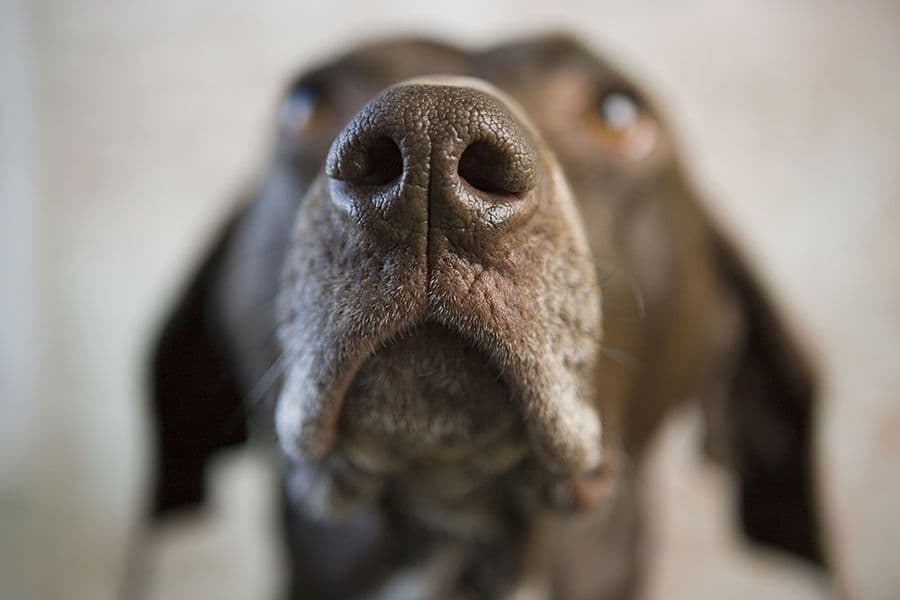
- Sensory Decline: Vision, hearing, or smell may deteriorate with age, making your pet less responsive to their surroundings—or even less patient or more aggressive.
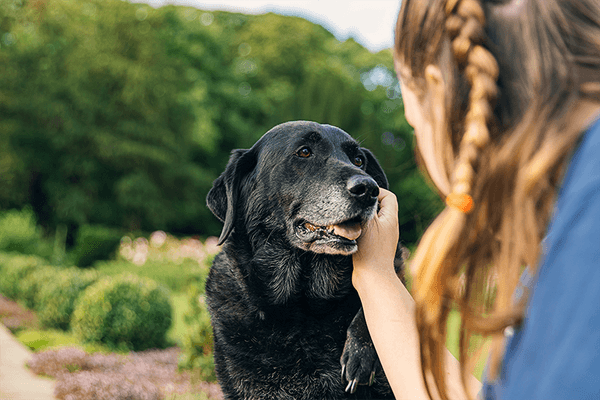
- Coat Graying: Your companion’s fur may also change, particularly with gradual graying around the muzzle and paws. This is a natural part of aging and can vary in prominence from one pet to another.
- Cognitive Aging: As some pets grow older, they may develop cognitive issues, sometimes similar to dementia in humans. They might appear disoriented, forget certain behaviors, or experience mood swings.
A Mindful Approach to Serene Aging
Aging can sometimes be a demanding phase, but also one filled with tender moments. It’s essential to stay attentive to their needs, which can change quickly. Your pet may become more dependent, and it’s normal for them to require more care. Adapting their environment is a meaningful act of love: make their living space more comfortable, accessible, and safe.
More than ever, your patience and affection will be invaluable. Though your pet’s behavior may change, they remain the same loyal companion who has shared your daily life for so many years.
Caring for a senior pet requires adaptation and plenty of love. With proper attention, regular veterinary care, and lots of cuddles, you can give them a gentle and peaceful golden age. Cherish every moment together, because even as the years go by, the love between you only grows stronger.