Today, we’re exploring an important yet often overlooked topic: feline gingivostomatitis.
What Is Feline Gingivostomatitis?
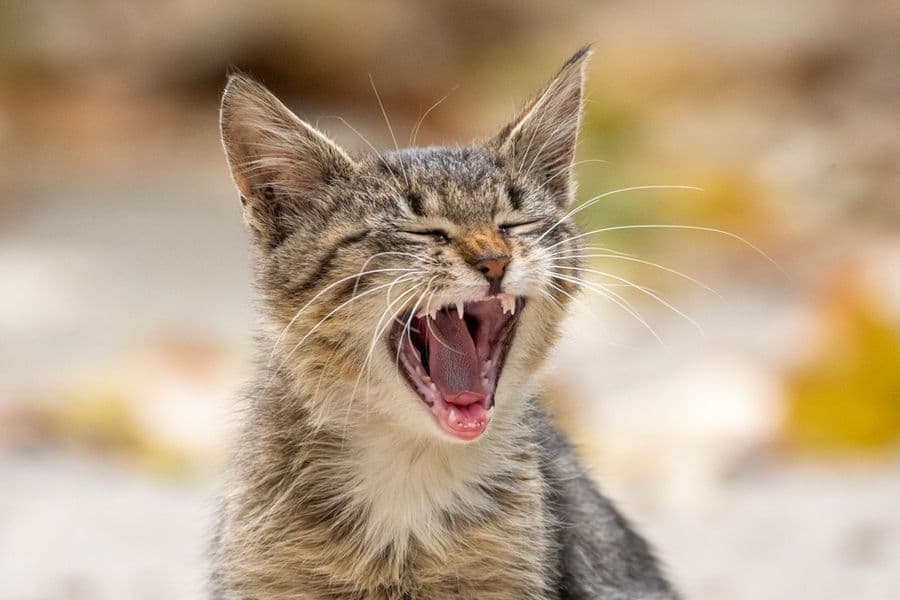
Feline gingivostomatitis, also known as feline stomatitis, is a painful and inflammatory condition affecting cats' oral cavity—gums, tongue, and mouth lining. It can make life highly uncomfortable for cats and impact their quality of life.
What Are the Causes?
The exact causes of feline gingivostomatitis are not fully understood, but it is generally accepted that it results from an abnormal immune response to the presence of bacteria in the cat’s mouth. Factors such as dental plaque, tartar, viral infections (like feline herpesvirus or calicivirus), food allergies, and even stress can contribute to the development of this condition.
Key Symptoms to Watch For:
Feline gingivostomatitis symptoms can vary from one cat to another, but they often include:
- Persistent and strong halitosis (bad breath),
- severe gum and oral mucosa inflammation (redness),
- excessive salivation,
- difficulty eating or chewing,
- weight loss,
- changes in eating habits (such as avoiding hard foods),
- lethargic or depressive behavior.
If you notice any of these symptoms in your cat, it’s crucial to consult your vet promptly for a diagnosis and appropriate treatment.
How to Help My Cat?
Feline gingivostomatitis management is typically multimodal and may include:
- A dental cleaning under general anesthesia by the veterinarian to extract affected or loose teeth;
- in severe cases, extraction of all teeth may be considered to reduce inflammation and pain;
- pain relief or anti-inflammatory medication to alleviate pain and inflammation;
- a dietary change, particularly to soft or special foods recommended by your veterinarian;
- stress management to minimize potential triggers of the disease;
- finally, stem cell-based approaches are currently under study.
It’s essential to carefully follow your vet’s recommendations to ensure your cat’s optimal recovery.
Can you prevent gingivostomatitis?
To reduce the risk of onset or recurrence, certain measures can be implemented.
- A specially formulated diet can help reduce plaque—by promoting chewing.
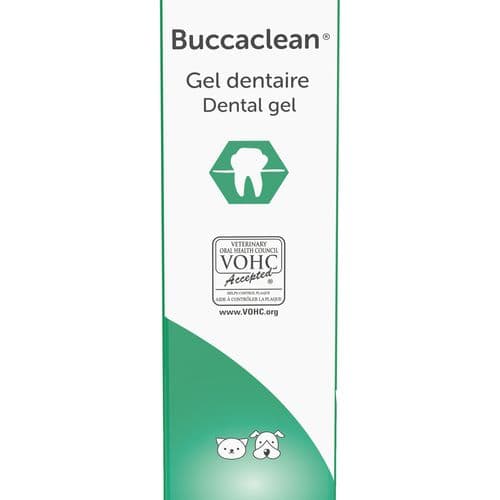
- Daily tooth brushing is likely one of the best ways to prevent plaque and tartar buildup. It’s important to use suitable dental devices and oral care gels and to get your cat used to it from a young age.
- Dental chew toys or textured rubber toys can help by encouraging teeth cleaning.
- Regular check-ups with your vet can help detect dental issues early.
- Monitoring for early signs—such as persistent bad breath, discomfort while eating or chewing, excessive drooling, or red and inflamed gums—is key to catching problems early.
In conclusion, early detection of feline gingivostomatitis and prompt multimodal treatment can limit the consequences and severity of this disease.