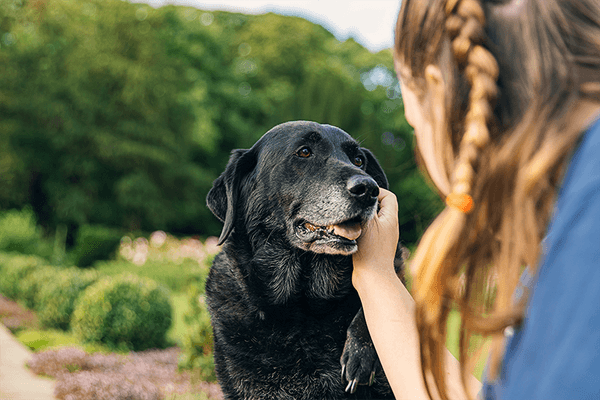
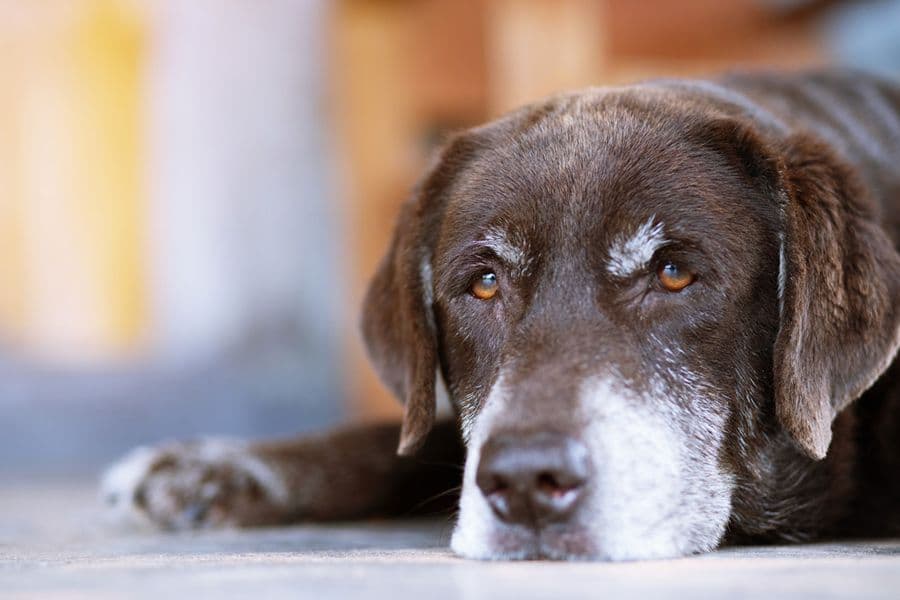
Over time, pets can develop eye changes. Some are normal and harmless, while others are pathological and require treatment.
Senile Iris Atrophy
Iris atrophy is a gradual thinning of the iris or its sphincter—the muscle that allows the pupil to contract. This age-related change can lead to holes forming in the iris or pupil deformities. Smaller and miniature breeds are more prone to this condition. In most cases, senile iris atrophy does not cause major complications and requires no specific treatment. However, if your four-legged companion is affected by senile retinal atrophy, it’s best to limit exposure to areas with strong sunlight, as the retina is no longer adequately protected from light rays.
Lens Sclerosis
Lens sclerosis, also known as nuclear sclerosis, is a natural aging process that occurs in dogs around 6 years of age and older. Over time, the lens becomes increasingly dense and hard, resulting in a blue-gray haze at the center of the eye. Unlike cataracts, lens sclerosis typically does not cause vision loss and does not require specific treatment. However, it’s important to note that it is often mistaken for cataracts due to their similar appearance.
Cataract
Cataracts are a relatively common eye condition in older dogs, characterized by clouding of the lens. When cataracts progress to the point where they affect the entire lens, the eye loses its visual capacity. Surgery may be necessary to restore vision and prevent potential complications. If your dog shows signs of cataracts, discuss it with your vet. They will likely recommend consulting a veterinary ophthalmologist, who is equipped to confirm the diagnosis and manage this eye disease.