When Should You Worry About Changes in Your Dog’s Skin? It’s Not Always Easy to Tell…
For instance, the question “my dog has a scab—is it serious, doc? ” might get a very Norman answer: “could be yes, could be no.”
The answer is usually "no" if the scab covers a scratch or a scrape, as it’s part of the normal healing process and shouldn’t be picked at.
The answer is "maybe" if your dog licks or picks at the scab, or if the wound was caused by a dirty or rusty object—since the damaged skin could then become infected, both on the surface and deeper down.
The answer is "yes" if we're not talking about a single scab, but rather a myriad of scabs covering large areas of your dog’s skin—and if other clinical signs are present, even if they’re unrelated to the skin.
As you can see, it’s all about context.
To help guide you, here are some common lesions that deserve your attention.
Important : please note that the causes mentioned in this article are not exhaustive, and that only your veterinarian can provide a diagnosis.
- Skin rashes are common after flea bites or other insect stings, but they may also indicate an allergy if accompanied by redness and itching.
- Dandruff is often linked to excessive flaking and oily skin (keratoseborrheic condition) or may stem from bacterial overgrowth on the skin (superficial pyoderma).
- Pustules and boils are characterized by nodules containing blood and pus, sometimes with a foul odor. They can worsen by spreading deeper into the dermis, leading to deep pyoderma. Various bacterial strains cause these skin infections, but factors such as poor hygiene, parasites, allergies, diseases (metabolic, endocrine, or cancerous), or inappropriate treatment with corticosteroids or antibiotics can contribute to these lesions.
- Hair loss and spots may signal a fungal infection or have an infectious or parasitic cause if accompanied by itching and irritation. Hormonal imbalances can also lead to hair loss and spots over large areas of the body.
- Swelling, blisters, and ulcers can result from trauma, burns, abscesses, or even metabolic, endocrine, or cancerous diseases.
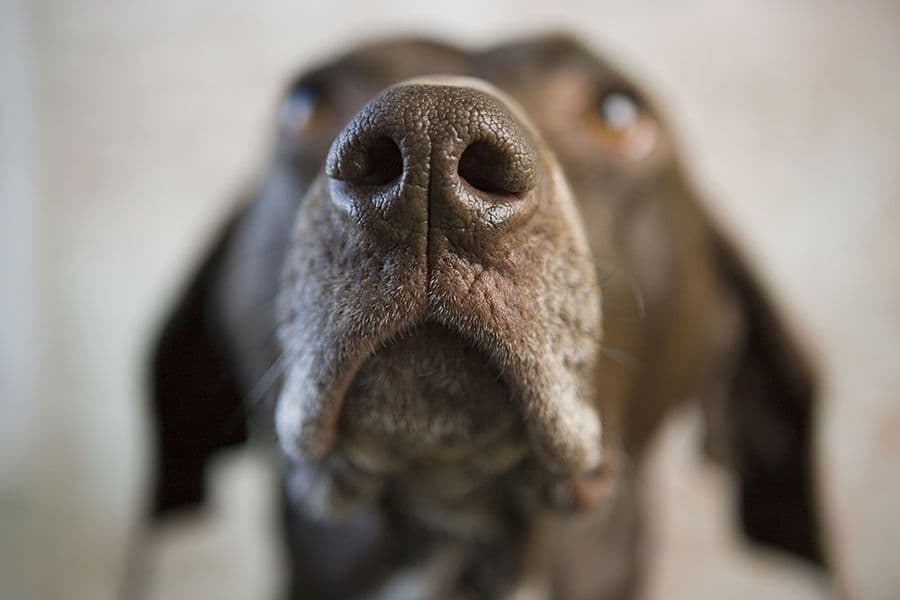
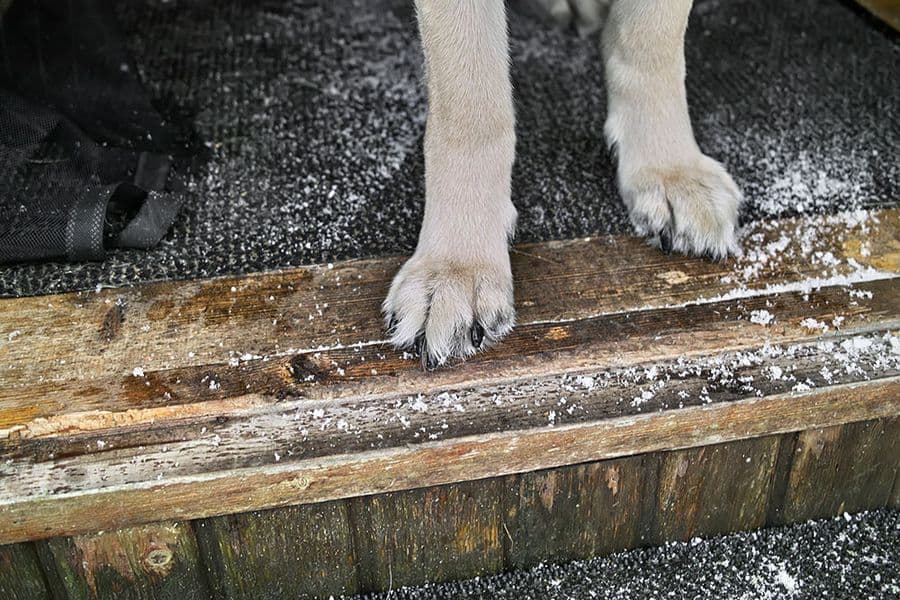
- Thickening and cracks develop on paw pads when dogs walk on hard or hot surfaces, or appear on the nose in certain predisposed breeds when the environment is very dry. Pathological conditions may sometimes cause excessive production of keratinized cells on the nose and paw pads (autoimmune diseases, zinc deficiency, etc.).
- Calluses that form on the elbows and hips of large-breed dogs or older dogs mainly occur at pressure points subjected to repeated stress. These calluses can be painful for your dog if they become irritated.
In short, keep in mind that skin has a natural ability to regenerate if environmental conditions are healthy and the animal is in good health. Otherwise, do not hesitate to consult your veterinarian to identify the underlying cause and treat it appropriately.
Dog and Cat Dermatology Resources
DermaVet – Veterinary Dermatology: This site specializes in veterinary dermatology and provides reliable, in-depth information on common skin conditions in dogs and cats.
Topical Therapy in Veterinary Dermatology: A Review of Recommended Treatments for Common Canine and Feline Dermatoses