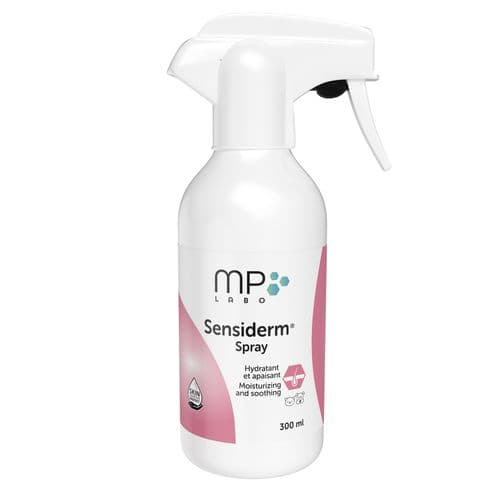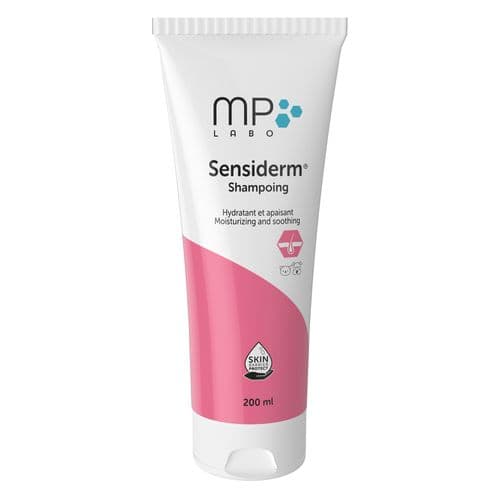
You're looking for a shampoo for your pet and don't know which one to choose. Maybe you're wondering if it's really necessary to pick one specifically formulated for them? The answer is yes—and here’s why!
Different pH and Epidermis
The primary reason is that animals' skin pH differs from that of humans. Indeed, while scientists have observed that the pH of a healthy dog's skin can vary based on numerous factors (such as breed, age, sex, coat area, environment, or even the season), it is generally considered neutral (possibly slightly acidic) to alkaline (around 7 to 8), whereas human skin is far more acidic (4.5 to 6). This is why it’s best to choose a pH-neutral shampoo for animals with healthy skin.
Animal skin structure also has its own unique features. For instance, the outermost layer, the epidermis, consists of just 3 to 5 cell layers in dogs—compared to around fifteen in humans. Their stratum corneum, the layer that sheds during desquamation, is thinner than ours. Lastly, epidermal turnover—the time it takes for complete renewal—is about a month in humans, whereas in dogs, it takes only around twenty days.
For healthy skin and regular use, using the right shampoo helps prevent disruption of the skin barrier, which could lead to dryness, irritation, and damage, and may encourage microbial growth.
Selected ingredients for their safety and high tolerance
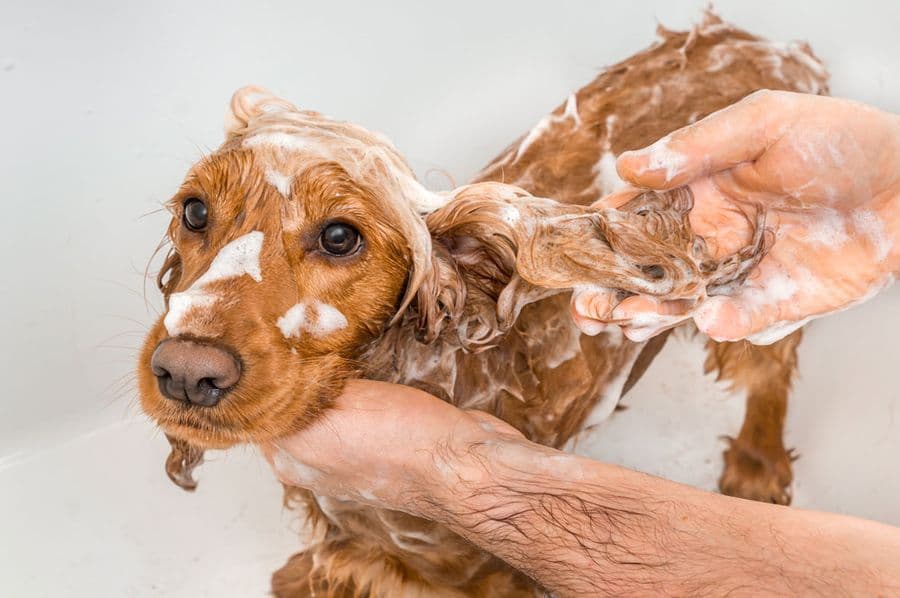
A shampoo’s primary purpose is to remove dirt from the skin and coat without disrupting the cutaneous ecosystem. To fulfill this function, it contains cleansing surfactants (gentle washing base), thickeners, softeners, and moisturizers. It’s essential to choose a formula with high cleansing power that leaves the coat silky, hydrates the skin, and contains ingredients well-tolerated by dogs and cats. For instance, care must be taken with essential oils—common in human shampoos—as not all are safe for our four-legged companions! Opting for a lightly scented shampoo is also advisable to avoid overwhelming their sense of smell.
Certain specialty shampoos can help manage dermatological conditions (skin diseases). Depending on their ingredients, they may have soothing, anti-seborrheic (sebum-regulating), antiseptic, or other properties. Some are even classified as full-fledged medications and are only available by prescription. Your veterinarian can advise you on the best option.
Ease of Use
Not all animals enjoy baths, so it can be helpful to choose a shampoo that rinses out easily. Pet-specific ranges often offer alternatives for the more reluctant, such as waterless shampoos or even pre-moistened wipes.
Sources:
DermaVet – Veterinary Dermatology: this website is packed with insightful and relevant information on canine and feline dermatology.
Dog Epidermal pH: Can Human Products Be Used Indiscriminately on Pets?: this editorial-style article
Impact of Age, Sex, Body Condition Score, Rectal Temperature, Anatomical Location, and Coat on Canine Skin pH: This study, published in the journal *Veterinary Dermatology*, aimed to measure the skin pH of healthy dogs and analyze the influence of various physiological factors on it.
Assessment of pH effects on in vitro growth of Malassezia pachydermatis: this study aimed to evaluate the impact of pH on the in vitro growth of Malassezia pachydermatis, a yeast naturally found on canine skin.
Latest insights on medicated shampoo use in companion animal dermatology: this article from the *Journal of Canine Development and Research* explores the benefits of shampoos, their applications, and their formulations.