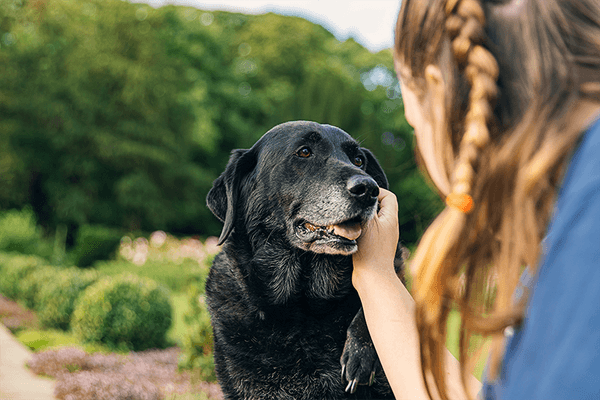
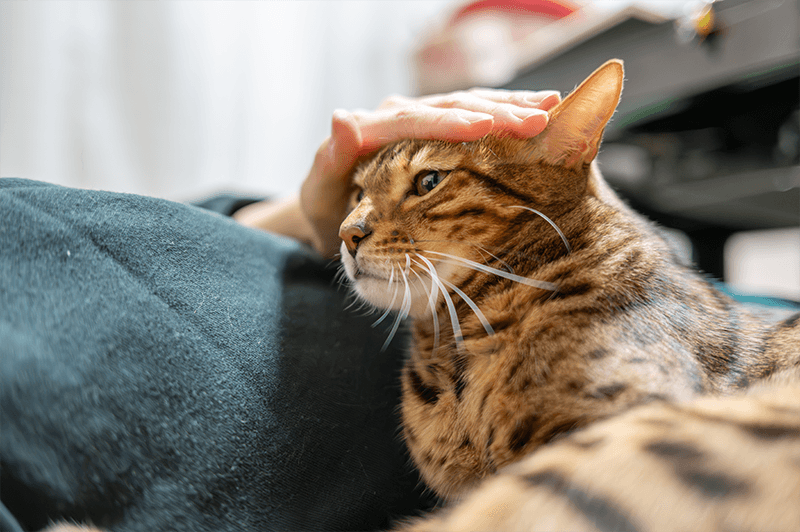
The gut microbiota is a vital ally for the overall health of dogs and cats. This complex ecosystem, home to billions of microorganisms, supports digestion, natural defenses, protection against pathogens, and even emotional balance through the gut-brain axis.
To care for them, we now have several types of solutions: prebiotics, probiotics, postbiotics, and synbiotics. What do they actually do in our pets' daily lives?
Supporting Microbiome Balance
In dogs and cats, the microbiota is sensitive to many factors: dietary changes, stress, medications (especially antibiotics), illnesses, and more. These disruptions can lead to dysbiosis, or an imbalance in the gut flora.
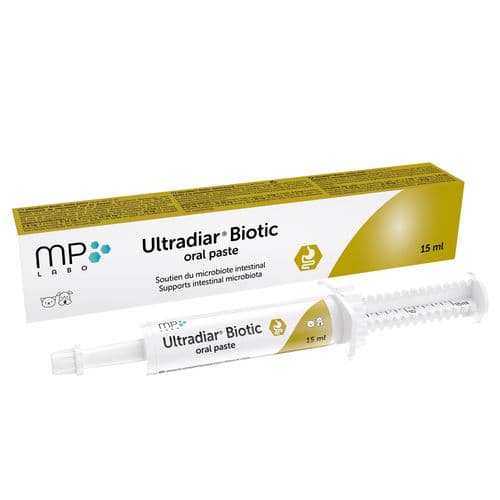
Prebiotics (fermentable fibres) feed beneficial bacteria; probiotics (live bacteria) bolster existing populations; postbiotics (inactivated bacteria and/or their components) support a healthy gut microbiome balance and help mitigate the harmful effects of antibiotic therapy; synbiotics combine these approaches for enhanced overall efficacy.
These supplements thus help maintain or restore microbiome diversity, which is essential for its resilience.
Support Healthy Digestion
A healthy microbiota contributes to fiber fermentation, the production of beneficial short-chain fatty acids (such as butyrate), and nutrient digestion. It also helps prevent the overgrowth of harmful microorganisms, which can cause abnormal fermentation or digestive issues.
For dogs or cats prone to soft stools, excessive flatulence, bouts of diarrhea, or constipation, adding pre-, pro-, post-, or synbiotics can help restore lasting digestive comfort.
Boost Natural Defenses
Around 70% of the body's immune cells are located in the gut. It’s therefore no surprise that the microbiota plays a key role in immune system regulation.
Probiotics and postbiotics can help boost natural defenses, limit inappropriate inflammatory responses, and support animals during high-risk periods (weaning, recovery, stress, etc.). This is particularly valuable for young, senior, or vulnerable animals.
Act Beyond the Gut
Today, we’re talking about the gut-brain axis—or even the gut-skin axis. Indeed, an imbalance in the gut microbiota can have repercussions far beyond the digestive system: anxiety, skin disorders, low energy…
Studies have shown, for instance, that certain probiotic or postbiotic strains may help regulate stress by acting on neuromediator production. Others target skin reactivity or influence the oral or vaginal microbiome.
In Conclusion
Whether used to maintain microbiome balance or to support medical treatment during an imbalance, pre-, pro-, post-, and synbiotics are valuable allies for microbiome health—and thus for the animal’s overall well-being. Their selection depends on the context, age, health status, and individual needs of each dog or cat. Consult your veterinarian for advice.